




The best wash for clothes typically uses cold water and a gentle cycle. Choosing the right detergent is also crucial for fabric care.
In the world of laundry, ensuring your clothes stay in pristine condition is a priority for many. Cold water is often recommended to help preserve fabrics and prevent colors from bleeding, making it a go-to choice for a wide range of garments.
Coupled with a mild detergent, the gentle cycle on your washing machine can clean effectively while reducing wear and tear on your clothing. This approach not only maintains the integrity of your clothes but also contributes to energy savings, as cold water cycles consume less power. The key to optimal laundry care lies in understanding fabric types and reading care labels, ensuring each item receives the treatment it needs to last longer and look its best.
Introduction To Laundry Care
Welcome to the guide on laundry care. Washing clothes is a daily task. But, doing it right is key for keeping clothes fresh. This section will dive into essential laundry tips.
The Importance Of Choosing The Right Wash
Choosing the right wash cycle is crucial. It can make clothes last longer. Different fabrics need different care. For example, cottons enjoy a regular wash, while delicates need a gentle cycle. Hot water can clean deeply but might shrink or fade clothes. Cold water is safer for colors and delicate fabrics. Always read the label on your clothing for the best results.
- Hot water – great for whites and very dirty clothes.
- Cold water – best for colors and delicate fabrics.
- Regular cycle – good for cotton and everyday items.
- Gentle cycle – ideal for lace, silk, and wool.
Common Myths About Laundry
Many believe in myths about doing laundry. Let’s clear some up.
| Myth | Truth |
|---|---|
| More detergent equals cleaner clothes. | Too much soap can leave residue and harm fabrics. |
| Hand-washing is always best. | Modern machines can be gentle and more water-efficient. |
| All clothes need hot water. | Hot water can shrink and fade many fabrics. |
Remember, reading labels on clothes saves them from damage. Use the right amount of detergent. Choose the correct water temperature and cycle based on fabric type.
Types Of Fabric And Their Care
Choosing the right wash for clothes extends their life. Different fabrics need different care. This guide helps pick the best wash for various textiles.
Cotton, Linen, And Natural Fibers
- Cotton: Use warm water. Tumble dry on a medium setting.
- Linen: Hand wash or use a gentle cycle. Lay flat to dry.
- Natural Fibers: Cool to lukewarm water is best. Avoid high heat when drying.
Synthetic Materials: Polyester, Nylon
- Polyester: Machine wash with warm water. Use low heat to dry.
- Nylon: Cold wash is safe. Tumble dry on low or hang dry.
Delicate Fabrics: Silk, Wool, And Lace
| Fabric | Wash Instructions | Drying Instructions |
|---|---|---|
| Silk | Hand wash or gentle cycle | Lay flat to dry |
| Wool | Cold water, gentle cycle | Lay flat to avoid stretching |
| Lace | Hand wash with care | Lay flat or hang to dry |
Water Temperature Guide
Selecting the right water temperature for laundry ensures effective cleaning. Different fabrics and stains require specific water temperatures. Read this guide to make the best choices for your clothes.
Cold Wash Benefits
- Saves energy by using less electricity
- Prevents colors from fading
- Reduces the chance of shrinkage
- Ideal for delicate fabrics
When To Use Warm Water
Warm water is a middle ground for laundry. It combines energy efficiency with superior cleaning. Use warm water for:
- Man-made fibers like polyester
- Lightly soiled clothing
- Jeans and towels
Hot Water: Pros And Cons
| Pros | Cons |
|---|---|
| Removes tough stains | Uses more energy |
| Kills germs and dust mites | Can cause colors to bleed |
| Best for white cotton fabrics | May shrink some fabrics |
:max_bytes(150000):strip_icc()/our-best-laundry-tips-washing-machine-getty-0923-c84df83cab094b86bb9b62b429d5354b.jpg)
Credit: www.marthastewart.com
Choosing The Right Detergent
Let’s talk about choosing the right detergent for your clothes. It’s important.
Powders Vs. Liquids Vs. Pods
There are three main types of detergents. Each has its benefits.
- Powders: Great for everyday laundry. They remove soil well.
- Liquids: Good for stains. They dissolve easily in water.
- Pods: Convenient. Each pod has a fixed dose.
Detergents For Sensitive Skin
Some people have sensitive skin. Choose detergents carefully.
- Look for “hypoallergenic” on labels. These are safer.
- Avoid dyes and perfumes. They can irritate skin.
- Test a small amount first. Make sure it’s okay.
Eco-friendly Options
Caring for the environment is important. Pick eco-friendly detergents.
- Choose plant-based detergents. They’re gentle on Earth.
- Look for biodegradable ingredients. They break down naturally.
- Recycled packaging helps reduce waste. It’s a good choice.
The Role Of Fabric Softeners
Fabric softeners make clothes feel soft. They reduce static cling. Clothes smell fresh after using them. They can also make ironing easier. Let’s explore the pros and cons.
Pros And Cons
Pros:
- Softens fabric
- Reduces static
- Improves scent
- Eases ironing
Cons:
- Can irritate skin
- May reduce absorbency
- Could harm certain fabrics
- Possible environmental impact
Alternatives To Fabric Softeners
There are natural options. They are often better for sensitive skin. They can be eco-friendly too. Here are some alternatives:
| Alternative | Benefits |
|---|---|
| Vinegar | Removes residue, softens clothes |
| Baking Soda | Softens fabric, freshens clothes |
| Wool Dryer Balls | Reduces drying time, softens fabric |
Washing Machine Settings Explained
Choosing the right wash cycle is key to clothing care. Different fabrics require specific settings. This guide explains each setting.
Standard Cycles
The standard cycle is ideal for cottons and linens. It uses warm water and a fast spin. It removes dirt effectively.
- Warm water loosens soil.
- Fast spin dries clothes quicker.
Permanent Press Cycles
Permanent press protects colors and prevents wrinkles. It combines warm and cool water. It’s gentle on synthetics and mixed fabrics.
- Warm wash, cool rinse to prevent shrinking.
- Slower spin to reduce creasing.
Delicate Cycles
The delicate cycle is soft on fabrics like silk and lace. It uses cold water and a slow spin. It prevents damage to fragile items.
- Cold water preserves delicate fibers.
- Slow spin avoids stretching.
When To Use Extra Rinse Or Pre-wash Options
Extra rinse helps remove detergent residue. Pre-wash tackles heavy stains. Use these options for soiled or sensitive skin clothing.
| Option | When to Use |
|---|---|
| Extra Rinse | For removing detergent thoroughly. |
| Pre-Wash | For heavy stains before the main cycle. |
Hand Washing Techniques
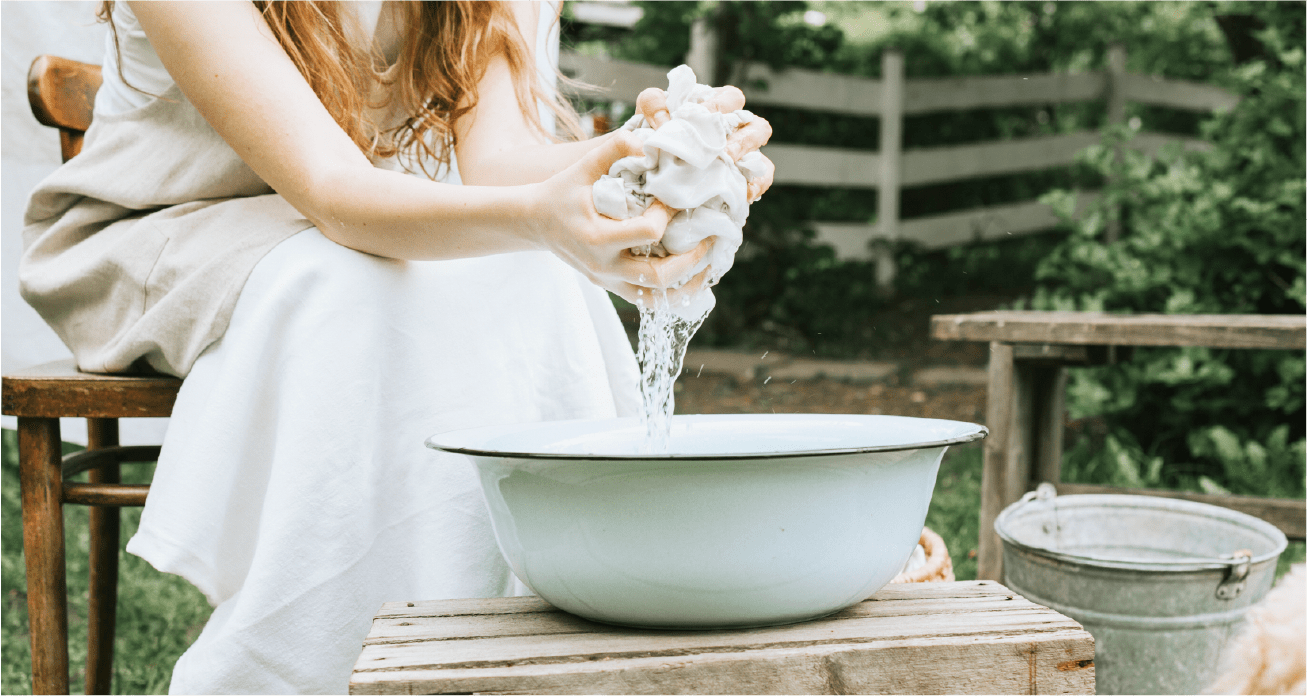
Choosing the right wash for clothes is crucial. Hand washing is gentle. It keeps clothes looking new. Let’s dive into effective hand washing techniques.
Step-by-step Guide
Follow these simple steps for hand washing clothes:
- Fill a basin with lukewarm water.
- Add mild detergent. Mix well.
- Submerge your clothes. Gently rub the fabric together.
- Rinse clothes in clean water until soap is gone.
- Squeeze out excess water. Do not wring.
- Lay flat on a towel to dry.
Tips For Delicate Items
Delicate items need extra care. Keep these tips in mind:
- Use cold water to prevent shrinking.
- Choose a detergent for delicate fabrics.
- Do not rub harshly. Pat the fabric gently.
- Always check the care label before washing.
- Dry delicates away from direct sunlight.
Credit: www.samsung.com
Drying And Finishing Touches
Once clothes are washed, proper drying is key. This step ensures longevity and maintains quality. So, let’s explore the best drying practices and storage tips for your garments.
Air Drying Vs. Machine Drying
Different fabrics require different drying methods. Here’s a quick guide:
- Air Drying: Ideal for delicate items. It prevents shrinkage and fabric damage. Find a well-ventilated area, lay clothes flat or hang them. Avoid direct sunlight to prevent fading.
- Machine Drying: Convenient for tougher fabrics. Use a low heat setting to reduce wear and tear. Remove clothes promptly to avoid wrinkles.
Ironing And Storage Tips
Ironing and proper storage are crucial for the longevity of clothes. Here’s how to do it right:
| Ironing | Storage |
|---|---|
| Use the right temperature for each fabric. Iron while clothes are slightly damp to ease out wrinkles. | Store clothes in a cool, dry place. Use hangers for shirts and dresses to maintain shape. |
| Do not iron over prints or embellishments. Use a pressing cloth to protect the fabric. | Fold heavy sweaters and knits to prevent stretching. Stack them horizontally. |
Credit: speedqueen.com
Frequently Asked Questions
What Wash Setting Is Best For Clothes?
The best wash setting for clothes generally is the cold water cycle, as it preserves fabric and color while saving energy. For heavily soiled items, a warm water cycle with a longer wash time is effective. Always check garment labels for specific instructions.
Which Type Of Washing Machine Is Best For Clothes?
The best washing machine for clothes is a front-loading model, as it is typically more efficient, gentler on fabrics, and uses less water.
What Washer Cleans Clothes Best?
Front-loading washers typically offer the best cleaning performance, using less water and energy compared to top-loading models. Look for machines with multiple cycle options and efficient spin speeds for optimal results.
What Is The Best Laundry Detergent To Use?
The best laundry detergent depends on your needs. For overall effectiveness, Tide is highly recommended. For sensitive skin, consider All Free Clear. Choose based on your priorities, be it stain removal, fragrance, or skin sensitivity. Always check labels for specific benefits.
Conclusion
Selecting the right wash for your clothes extends their life and maintains their vibrancy. Whether you choose gentle, regular, or heavy-duty, matching the wash cycle to your fabric’s needs is key. Embrace the tips shared and witness your wardrobe thank you with every launder.
Remember, smart washing equals lasting clothes.