




Mouth freshener helps combat bad breath and leaves a pleasant taste in the mouth. It is a popular oral hygiene product used to freshen breath and promote oral health.
From traditional mints and gum to modern breath sprays and strips, there are various types of mouth fresheners available in the market to cater to different preferences. People often use mouth fresheners after meals, before meetings, or simply to feel refreshed throughout the day.
The ingredients in mouth fresheners such as mint, clove, or cardamom not only mask bad odors but also have antibacterial properties that can help fight germs in the mouth. Incorporating mouth fresheners into your daily routine can leave you feeling more confident with fresh breath and a clean mouth.
The Importance Of Fresh Breath
Good oral hygiene and fresh breath are essential for making a positive impression in both personal and professional settings. The importance of fresh breath goes beyond just maintaining good oral health; it can have a significant impact on social interactions and one’s overall confidence.
Social Perceptions Of Bad Breath
Bad breath can lead to social awkwardness and discomfort in various situations. People may avoid close interactions or conversations with individuals who have bad breath, leading to feelings of embarrassment and isolation. This can impact personal relationships and hinder social opportunities.
Psychological Impact Of Breath Odor
Breath odor can have a profound psychological impact on individuals, affecting their self-esteem and confidence. The fear of having bad breath can cause anxiety and self-consciousness, leading to a lack of assertiveness in social and professional environments. It can also contribute to heightened stress levels and decreased overall well-being.
Types Of Mouth Fresheners
Mouth fresheners are a great way to combat bad breath and keep your mouth feeling fresh throughout the day. There are several types of mouth fresheners available in the market, each offering a unique way to freshen your breath. Let’s explore the different types of mouth fresheners:
Chewing Gums And Mints
Chewing gums and mints are popular choices when it comes to quick and convenient mouth fresheners. These small and portable options are easy to carry around and provide an instant burst of freshness. Chewing gums usually come in various flavors like mint, fruit, or even bubblegum. Mints, on the other hand, are small, hard candies that dissolve in your mouth, leaving behind a refreshing taste.
Sprays And Rinses
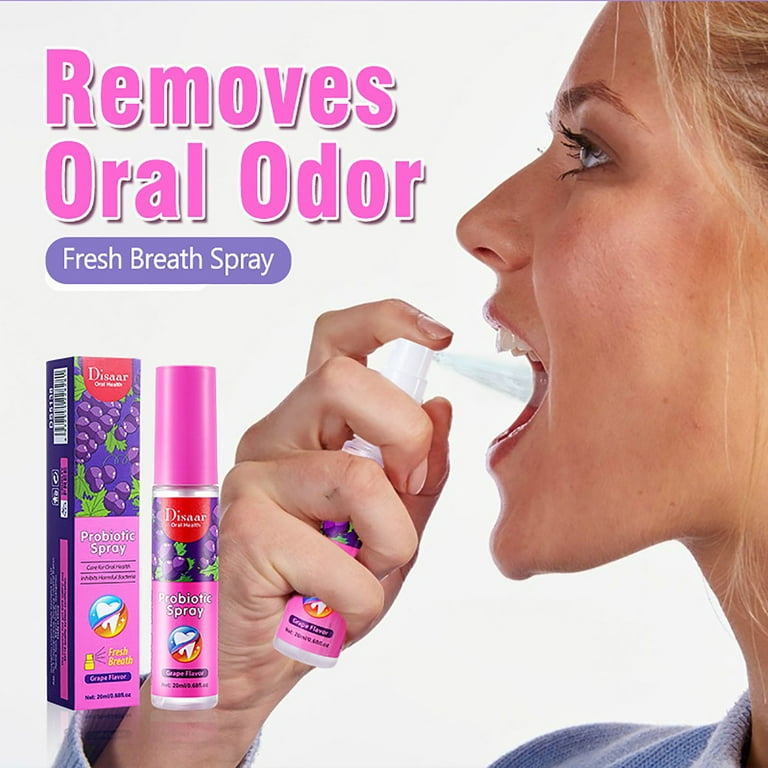
Sprays and rinses are another category of mouth fresheners that offer a hassle-free way to freshen your breath. These products come in spray bottles or as mouth rinses that you can gargle with. They are formulated with ingredients like mint or other refreshing flavors, which help eliminate bad breath-causing bacteria and leave your mouth feeling clean and revitalized.
Natural Fresheners
If you prefer natural options, there are various natural mouth fresheners available as well. These fresheners are made from natural ingredients like herbs, spices, and essential oils. They not only freshen your breath but also provide additional health benefits. Some common natural mouth fresheners include cloves, fennel seeds, and cinnamon sticks. These natural options are not only effective but also free from any artificial additives or chemicals.
So, whether you prefer chewing gums and mints for their convenience, sprays and rinses for their quick action, or natural fresheners for their holistic approach, there is a mouth freshener option to suit everyone’s preferences. Choose the one that works best for you and enjoy the confidence of fresh breath all day long!
How Mouth Fresheners Work
Mouth fresheners are a popular way to combat bad breath and leave the mouth feeling refreshed. But have you ever wondered how mouth fresheners actually work to achieve this? In this section, we’ll explore the inner workings of these products, focusing on the subheading: How Mouth Fresheners Work.
Ingredients That Fight Bad Breath
Mouth fresheners contain a variety of ingredients designed to combat bad breath. Common components include mint and menthol which provide a cooling sensation while masking unpleasant odors. Additionally, cinnamon, cloves, and cardamom are known for their natural antibacterial properties, helping to eliminate odor-causing bacteria in the mouth.
The Role Of Saliva Production
When using mouth fresheners, the stimulation of saliva production plays a crucial role. Saliva helps to wash away food particles and bacteria, reducing the likelihood of bad breath. The act of sucking or chewing on a mouth freshener encourages saliva flow, contributing to a fresher feeling in the mouth.

Credit: www.amazon.com
Choosing The Right Mouth Freshener
When it comes to maintaining fresh breath, a mouth freshener can be a handy companion. However, with the wide variety of options available in the market, it can be overwhelming to choose the right one for you. In this blog post, we will explore the key factors to consider when selecting a mouth freshener that suits your preferences and needs.
Considering Flavor And Potency
Flavor and potency play a crucial role in determining the effectiveness of a mouth freshener. The right combination can leave you with a refreshing and long-lasting breath. Here are some points to keep in mind:
- Opt for Natural Flavors: Look for mouth fresheners that use natural flavors derived from ingredients like mint, cinnamon, or citrus fruits. These flavors not only provide a pleasant taste but also have natural breath-freshening properties.
- Balanced Potency: It’s essential to find a mouth freshener with a balanced potency. Too mild, and it may not effectively freshen your breath; too strong, and it may overpower your senses. Experiment with different brands to find the potency level that suits you best.
Ingredients To Avoid
The ingredients used in a mouth freshener can significantly impact its effectiveness and safety. Here are some ingredients you should avoid:
| Ingredients to Avoid | Reasons to Avoid |
|---|---|
| Artificial Sweeteners | Artificial sweeteners like aspartame and sucralose can have a negative impact on your oral health and may lead to tooth decay. |
| High Sugar Content | Mouth fresheners with high sugar content can contribute to dental plaque and increase the risk of cavities. |
| Alcohol | Alcohol-based mouth fresheners can cause dry mouth and may lead to bad breath in the long run. |
| Artificial Colors | Artificial colors have no added benefit and may cause allergic reactions in some individuals. |
By avoiding these ingredients, you can ensure that the mouth freshener you choose is not only effective but also safe for regular use.
The Connection Between Diet And Breath
When it comes to fresh breath, what you eat plays a critical role. Your diet can either promote good oral hygiene or contribute to unpleasant halitosis. Understanding the connection between diet and breath can help you make informed choices about what you consume. Let’s explore the impact of different foods on your breath and overall oral health.
Foods That Improve Oral Hygiene
- Crunchy fruits and vegetables, such as apples and carrots, can help clean teeth and stimulate saliva production, reducing odor-causing bacteria.
- Green tea contains polyphenols that can suppress the growth of bacteria, minimizing bad breath.
- Probiotic-rich foods like yogurt can help restore the balance of good bacteria in the mouth, promoting fresher breath.
- Citrus fruits high in vitamin C can support gum health and combat bacteria that contribute to bad breath.
Foods Known To Cause Halitosis
- Strongly aromatic foods like garlic and onions contain sulfur compounds that can linger in the mouth and lead to persistent bad breath.
- Sugary and acidic foods can create an environment where bacteria thrive, contributing to dental issues and halitosis.
- Alcoholic beverages can lead to dry mouth, reducing saliva flow and allowing odor-causing bacteria to flourish.
- Fatty foods can contribute to bad breath as they can linger in the mouth and provide a breeding ground for bacteria.
Credit: www.walmart.com
Oral Hygiene Best Practices
When it comes to maintaining oral health, following proper oral hygiene best practices is essential.
Regular Brushing And Flossing
Brush twice daily for two minutes each time. Floss daily to remove food particles.
The Importance Of Dental Check-ups
Visit the dentist every six months for cleanings and check-ups.
Home Remedies For Fresh Breath
Maintaining fresh breath is essential for overall oral hygiene and confidence. Home remedies offer natural and effective solutions to combat bad breath, often caused by bacteria in the mouth.
Herbs And Spices As Natural Fresheners
Herbs and spices like parsley, mint, and cloves are natural breath fresheners. Chewing on fresh parsley can help neutralize odors. Mint leaves stimulate saliva production, reducing bad breath. Cloves have antibacterial properties that fight oral bacteria.
Diy Mouthwash Recipes
Creating your own mouthwash at home is simple and cost-effective. Mixing water with a few drops of peppermint or tea tree oil can act as an effective mouth rinse. Baking soda diluted in water can also help neutralize odors.

Credit: www.leefordonline.in
Mouth Fresheners On The Go
Mouth Fresheners on the Go are essential for staying fresh and confident throughout the day.
Compact Solutions For Freshening Up
Compact mouth fresheners offer quick freshness in a portable form.
- Small and convenient for pockets or bags
- Instantly freshens breath on-the-go
Discreet Options For Social Situations
Discreet mouth fresheners are ideal for maintaining freshness in social settings.
- Subtle packaging for use in public
- Helps combat bad breath discreetly
Mouth Freshener Myths Debunked
Don’t fall for the misconceptions around mouth fresheners. Let’s fact-check the claims and uncover the truth.
Common Misconceptions
- Mouth fresheners cause bad breath.
- Minty fresh breath means good oral health.
- All mouth fresheners are the same.
Fact-checking Mouth Freshener Claims
- Mouth fresheners mask bad breath temporarily.
- Minty breath doesn’t indicate dental issues.
- Different mouth fresheners have varied effects.
Boosting Confidence With Fresh Breath
The Psychological Boost Of Fresh Breath
Having fresh breath can have a significant impact on your overall confidence and self-esteem. It can make you feel more positive and assured in social situations, boosting your mental well-being.
First Impressions And Personal Interactions
When you have fresh breath, you are more likely to make a positive first impression. It can enhance your personal interactions and help you build better connections with others.
Frequently Asked Questions
What Is A Mouth Freshener?
A mouth freshener is a type of food or product that helps to eliminate bad breath and provide a refreshing feeling in the mouth. It can be in the form of mints, gum, sprays, or herbs.
How Does A Mouth Freshener Work?
Mouth fresheners contain ingredients such as menthol, peppermint oil, and eucalyptus oil that help to mask bad breath and provide a cooling sensation in the mouth. Some mouth fresheners also stimulate saliva production, which helps to wash away bacteria and food particles.
Are Mouth Fresheners Safe To Use?
Most mouth fresheners are safe to use and do not have any harmful side effects. However, it is important to read the label and follow the recommended dosage. Overuse of mouth fresheners can lead to gastrointestinal problems, such as acid reflux and heartburn.
Can Mouth Fresheners Replace Brushing And Flossing?
No, mouth fresheners cannot replace brushing and flossing. They only provide a temporary solution to bad breath and do not remove plaque and bacteria from teeth and gums. It is important to maintain good oral hygiene practices to prevent dental problems.
Conclusion
Mouth fresheners are a great way to combat bad breath and promote oral hygiene. With a variety of options available, from mints to gum to sprays, there is something for everyone. It is important to choose a product that is sugar-free and contains natural ingredients for the best results.
Incorporating mouth fresheners into your daily routine can leave you feeling confident and refreshed, with a healthy mouth to boot. So go ahead, indulge in a mint or two and enjoy the benefits of fresh breath.