





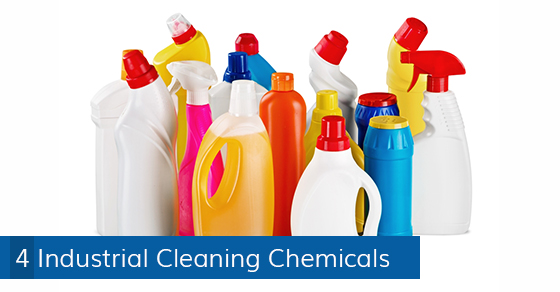
Industrial cleaning chemicals are powerful agents used to remove dirt, grime, and contaminants from various surfaces. These chemicals are specially formulated to tackle tough industrial cleaning tasks effectively.
In industrial settings, maintaining cleanliness is crucial for safety, productivity, and compliance with regulations. Industrial cleaning chemicals play a vital role in ensuring that equipment, machinery, floors, and other surfaces are thoroughly cleaned and sanitized. From degreasers and solvents to disinfectants and descalers, these chemicals are designed to meet the diverse cleaning needs of different industries.
Choosing the right industrial cleaning chemicals is essential to achieve optimal cleaning results while prioritizing safety and environmental considerations. Let’s delve deeper into the world of industrial cleaning chemicals and their significance in maintaining cleanliness in industrial facilities.
The Essence Of Industrial Cleaning Chemicals
Key Properties
Industrial cleaning chemicals are formulated to remove tough stains, grease, and grime from various surfaces found in industrial settings. These chemicals possess strong cleansing properties and are designed to effectively clean and sanitize industrial equipment, machinery, floors, and walls.
Chemical Types And Their Uses
There are different types of industrial cleaning chemicals, each tailored for specific cleaning needs. Some common types include:
- Alkaline cleaners: Ideal for removing organic soils and greases.
- Acidic cleaners: Effective for descaling and removing mineral deposits.
- Disinfectants: Used to eliminate harmful bacteria and viruses.
- Solvents: Designed for dissolving oil, grease, and other tough residues.
Maximizing Efficiency In Industrial Cleaning
Industrial cleaning is a crucial aspect of maintaining a safe and productive working environment. To achieve optimal results, it’s essential to focus on maximizing efficiency in industrial cleaning processes. From optimizing chemical concentrations to utilizing advanced application techniques, there are several strategies that can significantly enhance the effectiveness of industrial cleaning practices.
Optimizing Chemical Concentrations
Properly optimized chemical concentrations play a pivotal role in achieving efficient industrial cleaning. By carefully calibrating the concentration levels of cleaning solutions, businesses can ensure maximum efficacy while minimizing waste. This approach not only enhances the cleaning process but also contributes to cost savings and environmental sustainability.
Advanced Application Techniques
Employing advanced application techniques further elevates the efficiency of industrial cleaning. Whether it’s through the use of specialized equipment or innovative application methods, leveraging advanced techniques allows for thorough and precise cleaning. This results in reduced cleaning time and enhanced overall productivity, ultimately leading to a more streamlined industrial cleaning process.
Safety Protocols For Chemical Handling
When it comes to industrial cleaning chemicals, safety should always be the top priority. Proper handling and storage of these chemicals is crucial to prevent accidents, injuries, and potential harm to the environment. By following the right safety protocols, you can ensure the well-being of your workers and maintain a safe working environment.
Personal Protective Equipment (ppe)
Personal Protective Equipment (PPE) plays a vital role in minimizing the risks associated with chemical handling. It is important to provide your workers with the necessary PPE to protect them from potential hazards. This may include:
- Chemical-resistant gloves
- Protective goggles or face shields
- Respiratory masks or respirators
- Chemical-resistant aprons or suits
- Safety footwear
Proper training should be provided to ensure that workers know how to correctly use and maintain their PPE. Regular inspections of the PPE should also be conducted to ensure they are in good condition and provide effective protection.
Safe Storage And Disposal Methods
Safe storage and disposal of industrial cleaning chemicals are essential to prevent accidents and environmental contamination. Here are some guidelines to follow:
Safe Storage
When storing chemicals, it is important to:
- Keep chemicals in their original containers with proper labels intact
- Store chemicals in designated areas away from incompatible substances
- Ensure proper ventilation in storage areas
- Separate flammable and combustible chemicals from ignition sources
- Securely lock storage areas to prevent unauthorized access
Safe Disposal
Proper disposal of chemicals is crucial to prevent harm to the environment. Follow these guidelines:
- Consult local regulations and guidelines for proper disposal methods
- Use appropriate containers and labels for disposal
- Avoid pouring chemicals down drains or sewers
- Consider recycling or reusing chemicals when possible
- Train workers on proper disposal procedures
Remember, it is important to have a well-documented safety plan that includes protocols for chemical handling, storage, and disposal. Regular training and refresher courses should be conducted to ensure that all workers are aware of and adhere to these safety protocols.
The Environmental Impact Of Cleaning Agents
Industrial cleaning chemicals play a vital role in maintaining cleanliness and hygiene in various industries. However, it is important to consider the environmental impact of these cleaning agents. The improper use and disposal of these chemicals can have severe consequences on ecosystems, water sources, and human health. In this section, we will explore the eco-friendly alternatives to traditional cleaning agents and the regulations and compliance surrounding their usage.
Eco-friendly Alternatives
When it comes to industrial cleaning, there are several eco-friendly alternatives available that minimize the environmental impact. These alternatives are formulated using biodegradable and non-toxic ingredients, reducing the release of harmful substances into the environment. Some of the eco-friendly cleaning agents include:
- Biodegradable detergents: These detergents break down naturally and do not accumulate in the environment.
- Plant-based cleaners: Made from renewable resources, plant-based cleaners are non-toxic and biodegradable.
- Enzyme-based cleaners: Enzymes are highly effective in breaking down organic matter, making them an eco-friendly choice.
By opting for these eco-friendly alternatives, industries can significantly reduce their carbon footprint and contribute to a greener and more sustainable future.
Regulations And Compliance
Regulations and compliance surrounding the use of industrial cleaning chemicals are in place to ensure the protection of the environment and human health. These regulations vary from country to country, but they generally focus on:
- Proper labeling and packaging of cleaning agents to provide clear information on their contents and safe handling.
- Restrictions on the use of hazardous substances that pose a risk to the environment or human health.
- Guidelines for the safe storage, transportation, and disposal of cleaning chemicals to prevent contamination.
Complying with these regulations is crucial for industries to avoid penalties, protect the environment, and safeguard the well-being of their employees and the surrounding community.
Innovations In Cleaning Chemical Formulations
Industrial cleaning chemicals have experienced remarkable advancements in recent years, leading to the development of innovative formulations that offer enhanced efficacy and safety. These innovations are revolutionizing the industrial cleaning sector, providing environmentally friendly and highly effective solutions for various cleaning applications.
Biodegradable Options
Biodegradable cleaning chemicals are gaining traction due to their environmentally friendly nature. These formulations are designed to break down into non-toxic substances, reducing their impact on the environment. They offer effective cleaning while minimizing harm to ecosystems.
Nanotechnology In Cleaning Solutions
Nanotechnology has paved the way for the development of advanced cleaning solutions. By leveraging the unique properties of nanomaterials, these formulations exhibit superior cleaning capabilities. The use of nanoparticles enhances penetration and surface interaction, resulting in more thorough and efficient cleaning.

Cost-benefit Analysis Of Industrial Cleaners
Industrial cleaning chemicals play a crucial role in maintaining a safe and hygienic work environment. Conducting a cost-benefit analysis of these cleaners is essential for businesses to make informed decisions.
Long-term Savings
Investing in high-quality industrial cleaners can lead to significant long-term savings.
Quality Vs. Cost
When considering industrial cleaners, it’s vital to weigh the quality against the cost.
Case Studies: Success Stories In Efficiency
Explore these real-world examples to see how industrial cleaning chemicals have revolutionized cleaning processes across various sectors.
Healthcare Facility Sanitation
Increased efficiency and effectiveness in cleaning healthcare facilities with specialized chemical solutions.
Food Industry Cleaning Protocols
Enhanced cleanliness in food industry settings through innovative cleaning methods and products.
Future Trends In Industrial Cleaning
In the dynamic landscape of industrial cleaning, the future is being shaped by innovative technologies and advanced research. Let’s explore two key areas driving the evolution of industrial cleaning processes.
Automation In Cleaning Processes
Automation is revolutionizing industrial cleaning operations, enhancing efficiency and safety. Robots and AI are streamlining tasks.
Research And Development Directions
Research is focused on eco-friendly chemicals and sustainable practices. Innovations are aimed at reducing environmental impact.

Frequently Asked Questions
What Are Industrial Cleaning Chemicals?
Industrial cleaning chemicals are specially designed chemicals used to clean and sanitize industrial surfaces and equipment. These chemicals are usually stronger and more potent than regular household cleaning products and can effectively remove tough stains, grease, and grime from industrial equipment.
What Are The Benefits Of Using Industrial Cleaning Chemicals?
Using industrial cleaning chemicals has several benefits, including the ability to clean and sanitize equipment thoroughly, reduce the risk of contamination, and improve overall hygiene. These chemicals are also designed to be efficient and effective, saving time and labor costs in the long run.
Are Industrial Cleaning Chemicals Safe To Use?
Yes, industrial cleaning chemicals are safe to use when handled correctly. It is essential to follow the manufacturer’s instructions and safety guidelines to prevent accidents and exposure to harmful chemicals. Some chemicals may require personal protective equipment (PPE) such as gloves, goggles, and respiratory protection.
What Are The Different Types Of Industrial Cleaning Chemicals?
There are several types of industrial cleaning chemicals available, including degreasers, solvents, acids, and alkalis. Each chemical is designed to target specific types of dirt and stains, and it is essential to choose the right chemical for the job to achieve the best results.
Conclusion
Industrial cleaning chemicals play a crucial role in maintaining a safe and hygienic work environment. However, it is important to choose the right chemicals that are effective in cleaning without causing harm to people and the environment. By considering factors such as ingredients, safety regulations, and environmental impact, companies can make informed decisions when selecting cleaning products.
As industries continue to grow, the demand for effective and sustainable cleaning solutions will only increase.