




Organic soap works by utilizing natural ingredients that are free from synthetic chemicals and artificial additives. These ingredients, such as plant-based oils and extracts, provide various benefits to the skin while cleansing and nourishing it.
They work by removing dirt, oil, and impurities from the skin’s surface, while also moisturizing and soothing the skin. The natural ingredients in organic soap can help maintain the skin’s pH balance, promote hydration, and alleviate common skin conditions like dryness and irritation.
Additionally, organic soap is biodegradable and environmentally friendly, making it a sustainable choice for personal care. By choosing organic soap, you can experience the benefits of gentle cleansing while supporting a healthier skin and a greener planet.

Credit: htbotanicals.com
The Essence Of Organic Soap
Crafted with natural ingredients, organic soap works by gently cleansing the skin without harsh chemicals. Essential oils and botanical extracts nourish and moisturize, leaving the skin feeling refreshed and rejuvenated. Enjoy the benefits of organic soap for a healthier and eco-friendly skincare routine.
Defining Organic Soap
Organic soap is a natural alternative to conventional soaps that are laden with synthetic chemicals and harsh ingredients. It is created using plant-based oils and botanical extracts, along with organic ingredients that are grown without the use of pesticides or synthetic fertilizers. The production of organic soap follows strict guidelines and standards, ensuring that it is free from harmful additives and environmentally friendly.
Contrast With Conventional Soaps
Unlike conventional soaps, organic soap does not contain synthetic fragrances, dyes, or preservatives that can irritate the skin and cause allergic reactions. The absence of these chemicals makes organic soap gentle and suitable for all skin types, including sensitive and acne-prone skin. It is also biodegradable, which means it does not harm the environment when it goes down the drain.
Key Ingredients In Organic Soaps
Organic soaps work by utilizing natural ingredients like coconut oil, shea butter, and essential oils. These key components cleanse the skin gently and effectively without harsh chemicals, keeping it nourished and hydrated. The combination of these organic ingredients helps maintain the skin’s natural balance and promotes overall skin health.
Natural Oils And Butters
Organic soaps are made with a variety of natural oils and butters that provide numerous benefits for the skin. These key ingredients are carefully chosen for their nourishing, moisturizing, and cleansing properties. One common natural oil found in organic soaps is coconut oil. It is rich in fatty acids that help to hydrate and soften the skin. Another popular oil is olive oil, which is known for its antioxidant properties and ability to soothe and protect the skin. Shea butter, derived from the nuts of the shea tree, is often added to organic soaps for its intense moisturizing properties. It helps to lock in moisture and create a protective barrier on the skin’s surface. Other natural oils and butters commonly used in organic soaps include almond oil, cocoa butter, and avocado oil. Almond oil is lightweight and easily absorbed, making it ideal for dry or sensitive skin. Cocoa butter is a luxurious ingredient that helps to improve skin elasticity and reduce the appearance of scars and stretch marks. Avocado oil is rich in vitamins and minerals, providing deep hydration and nourishment to the skin.Essential Oils For Fragrance
In addition to the natural oils and butters, organic soaps often incorporate essential oils for fragrance. These oils not only add a pleasant scent but also offer therapeutic benefits. Essential oils are derived from various plants and flowers through a process of distillation. They capture the plant’s natural aroma and can have a positive impact on the mind and body. Lavender essential oil is commonly used in organic soaps for its calming and soothing properties. It is believed to reduce stress and anxiety while promoting relaxation. Peppermint essential oil, on the other hand, has a refreshing and invigorating scent that can help to awaken the senses. It is often used in organic soaps to provide a cooling sensation and relieve muscle tension. Other popular essential oils used in organic soaps include tea tree oil, eucalyptus oil, and citrus oils like lemon and orange. Tea tree oil is known for its antibacterial properties, making it ideal for acne-prone or oily skin. Eucalyptus oil has a revitalizing scent and can help to clear congestion and promote respiratory health. Citrus oils provide a refreshing and uplifting aroma, perfect for starting the day on a positive note. In conclusion, the key ingredients in organic soaps are natural oils and butters, as well as essential oils for fragrance. These ingredients work together to cleanse, nourish, and moisturize the skin, while also providing therapeutic benefits. By using organic soaps, you can enjoy a luxurious bathing experience while taking care of your skin naturally.The Science Behind Soap
Organic soap works by using natural ingredients like plant oils and essential oils to cleanse and moisturize the skin. These ingredients interact with water and oils on the skin to create a lather that traps dirt and oils, allowing them to be rinsed away, leaving the skin clean and soft.
Soap is an essential part of our daily lives, and we use it to clean our bodies, clothes, and homes. But have you ever wondered how soap works? Soap is a combination of fats or oils and an alkali, which undergoes a chemical reaction called saponification. This reaction produces glycerin and soap molecules, which work together to clean and remove dirt and oil from surfaces. In this post, we’ll explore the science behind soap, focusing on the saponification process and the role of glycerin.Saponification Process
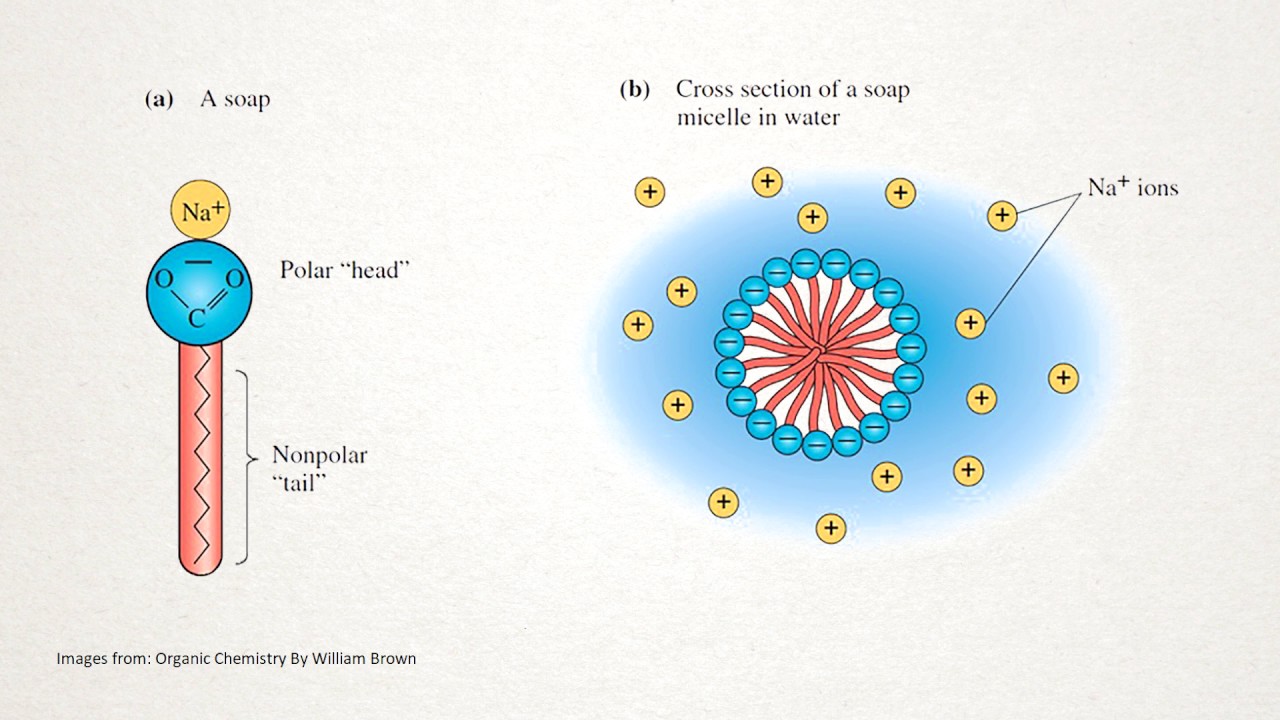
Saponification is the process of combining fats or oils with an alkali, typically sodium hydroxide or potassium hydroxide, to create soap molecules and glycerin. This chemical reaction involves the breaking down of the fats or oils into fatty acids and glycerol, which then react with the alkali to form soap molecules and glycerin. The soap molecules have a hydrophilic head that is attracted to water and a hydrophobic tail that repels water and attracts oil. This property allows soap to dissolve dirt and oil on surfaces and wash them away with water.The Role Of Glycerin
Glycerin is a byproduct of the saponification process and is a natural humectant, which means it attracts and retains moisture. Glycerin is an essential ingredient in soap as it helps to moisturize the skin and prevent it from drying out. Glycerin is a common ingredient in many skincare products, including lotions, creams, and soaps. It helps to maintain the skin’s natural barrier and keeps it soft and hydrated. In conclusion, the science behind soap is fascinating, and understanding how it works can help us appreciate its importance in our daily lives. The saponification process and the role of glycerin are essential to soap’s cleaning and moisturizing properties, making it an effective and beneficial product for our bodies and homes.
Credit: www.chegg.com
Skin Benefits Of Organic Soap
Organic soap works by utilizing natural ingredients like plant oils and essential oils to cleanse and nourish the skin. These soaps are free from harsh chemicals, making them gentle and moisturizing, which can help to improve the overall health and appearance of the skin.
Organic soap offers a myriad of benefits for the skin, thanks to its natural and nourishing ingredients. It helps to maintain the skin’s health by providing gentle cleansing without harsh chemicals. Organic soap is rich in vitamins, minerals, and antioxidants that nourish and protect the skin.Moisturizing Properties
Organic soap contains natural oils like coconut oil and shea butter that lock in moisture and prevent the skin from drying out. It helps to maintain the skin’s natural moisture balance while leaving it soft and hydrated.Gentle For Sensitive Skin
Organic soap is free from synthetic fragrances and harsh detergents, making it ideal for sensitive skin. It soothes and calms irritation, making it suitable for those with skin conditions like eczema or psoriasis.Environmental Advantages
When it comes to environmental advantages, organic soap stands out as a sustainable and eco-friendly choice. The use of biodegradable ingredients and sustainable packaging options in organic soap production contributes to reducing the environmental impact.
Biodegradable Ingredients
Organic soaps utilize natural ingredients that break down easily without harming the environment. Unlike conventional soaps that contain synthetic chemicals, organic soaps are made with biodegradable components such as plant-based oils, essential oils, and natural colorants.
Sustainable Packaging Options
Organic soap manufacturers often prioritize sustainable packaging options to minimize environmental impact. They opt for recyclable and biodegradable materials, such as cardboard boxes or paper wrappers, reducing the use of plastic and non-recyclable materials.
Organic Certification And Standards
When it comes to organic soap, it’s important to understand the certification and standards that govern its production. Organic certification ensures that the soap has been made using natural ingredients without synthetic chemicals, making it better for both your skin and the environment.
Certification Agencies
Several organizations oversee the certification of organic products, including soap. Some well-known certification agencies include:
- USDA Organic
- Ecocert
- Soil Association
- COSMOS
- NaTrue
What To Look For In Labels
When choosing organic soap, it’s essential to look for specific labels and certifications to ensure its authenticity. Key things to look for on the labels include:
- USDA Organic seal
- Percentage of organic ingredients
- Avoidance of synthetic chemicals
- Presence of natural fragrances and colorants
Customization And Variety
Organic soap works by using natural ingredients that cleanse and nourish the skin. With customization and variety, you can choose soaps tailored to your skin type and preferences, ensuring a personalized cleansing experience.
Personalization Options
Organic soaps offer diverse customization options to cater to individual preferences.
Wide Range Of Choices
Consumers can choose from a vast selection of organic soaps to suit their needs.
Credit: pureandgentlesoap.com
Making The Switch To Organic Soap
Organic soap works by using natural ingredients that are gentle on the skin and free from harsh chemicals. These ingredients, such as plant-based oils and essential oils, provide nourishment and hydration to the skin while effectively cleansing away dirt and impurities.
Making the switch to organic soap can improve the overall health and appearance of your skin.
Transition Tips
Switching to organic soap is simple with these helpful tips:
- Gradually introduce organic soap into your routine.
- Start with one product to test compatibility with your skin.
- Research different organic soap brands for quality and ingredients.
Long-term Benefits
Transitioning to organic soap offers numerous advantages:
- Reduces exposure to harsh chemicals and toxins.
- Enhances skin health and hydration levels.
- Supports sustainable and eco-friendly practices.
Making the switch to organic soap can greatly benefit your skin and the environment. Transitioning is easy with the following tips:
Transition Tips
Switching to organic soap is simple with these helpful tips:
- Gradually introduce organic soap into your routine.
- Start with one product to test compatibility with your skin.
- Research different organic soap brands for quality and ingredients.
Long-term Benefits
Transitioning to organic soap offers numerous advantages:
- Reduces exposure to harsh chemicals and toxins.
- Enhances skin health and hydration levels.
- Supports sustainable and eco-friendly practices.
Frequently Asked Questions
What Does Organic Soap Do To The Body?
Organic soap cleanses and nourishes the body, providing a natural alternative to synthetic soaps. It helps remove dirt, oil, and impurities while maintaining the skin’s moisture balance. With its plant-based ingredients, organic soap promotes healthier skin, reducing the risk of irritation and allergies.
Is Organic Soap Better Than Regular Soap?
Organic soap is better than regular soap because it is made from natural ingredients without harmful chemicals. It is gentle on the skin, moisturizing, and environmentally friendly. Using organic soap helps to avoid skin irritations and allergies while promoting overall well-being.
How Does Natural Soap Work?
Natural soap works by using natural ingredients such as oils, fats, and lye to create a chemical reaction called saponification. This reaction produces soap and glycerin. The soap molecules attract dirt and oil, making them easier to wash away with water.
Natural soap is gentle on the skin and does not contain harsh chemicals that can cause irritation or dryness.
What Makes A Soap Organic?
Organic soap is made from natural ingredients without synthetic chemicals. It’s environmentally friendly and biodegradable.
Conclusion
Organic soap works by using natural ingredients to cleanse and nourish the skin. Its gentle formula avoids harsh chemicals, making it suitable for all skin types. By choosing organic soap, you prioritize both your skin’s health and the environment. Make the switch today for a clean and sustainable skincare routine.