
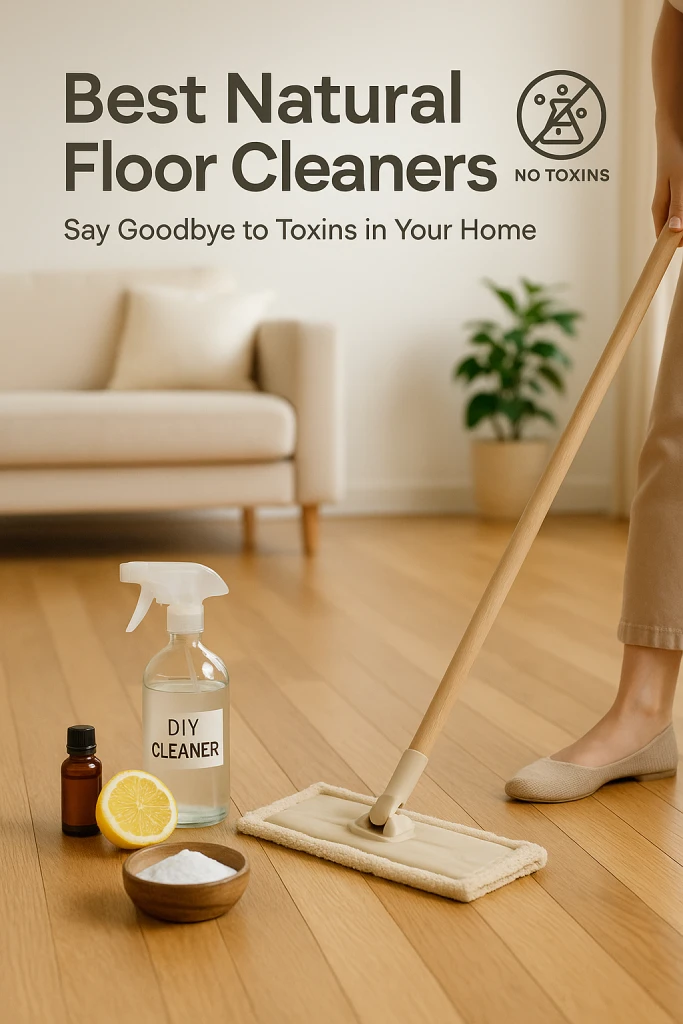
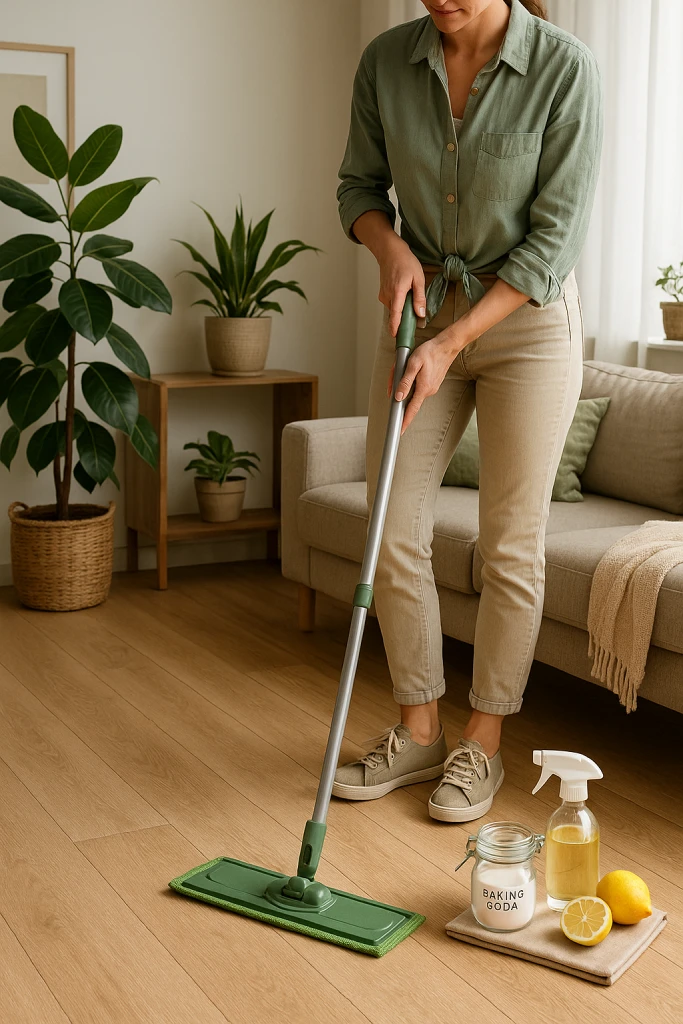
Maintaining good cleaning habits is crucial for maintaining good health. A clean living environment reduces the risk of illness and promotes overall well-being.
Regular cleaning and disinfection help eliminate germs, bacteria, and allergens that can cause health problems. Additionally, a clean and organized space reduces stress and promotes mental clarity. By incorporating simple cleaning habits into our daily routines, such as wiping down surfaces, vacuuming regularly, and practicing proper hygiene, we can create a healthier living environment for ourselves and our families.
Taking these small steps towards cleanliness not only improves our physical health but also contributes to a more positive and enjoyable lifestyle.
The Link Between Cleanliness And Health
How A Clean Environment Affects Well-being
Clean spaces promote good health by reducing exposure to harmful germs.
Regular cleaning prevents the spread of illnesses and boosts overall well-being.
A tidy environment helps maintain physical and mental health in individuals.
The Science Behind Hygiene And Immunity
Proper hygiene practices strengthen the body’s immune system.
Regular handwashing reduces the risk of infections and diseases.
Cleanliness plays a vital role in preventing the spread of illnesses.
Decluttering: The First Step To A Healthier Home
Creating a clean and organized living space is not just about aesthetics; it also has a profound impact on our overall well-being. Decluttering, in particular, plays a crucial role in fostering a healthier home environment. From reducing stress to improving focus, the psychological benefits of decluttering are immense. Additionally, effective home organization can streamline daily routines and contribute to a sense of calm and control. Let’s delve into the importance of decluttering and explore some tips for achieving an organized and harmonious living space.
The Psychological Benefits Of Decluttering
Decluttering can reduce stress and anxiety by creating a sense of order and spaciousness.
A tidy home promotes mental clarity and enhances the ability to focus on tasks.
Eliminating clutter fosters a sense of accomplishment and boosts overall mood.
Tips For Effective Home Organization
- Start small by focusing on one area at a time to avoid feeling overwhelmed.
- Use storage solutions such as bins, baskets, and shelves to keep items neatly organized.
- Regularly declutter by setting aside time each month to assess and purge unnecessary items.
- Create designated spaces for frequently used items to maintain an organized environment.
Daily Cleaning Routines For Optimal Health
Maintaining daily cleaning routines is crucial for optimal health. Regular cleaning habits help eliminate germs and reduce the risk of illnesses, contributing to overall well-being. By incorporating simple cleaning tasks into your daily schedule, you can create a healthier living environment for yourself and your family.
Maintaining cleanliness is not only essential for a tidy and organized home but also for your physical health. A clean environment can help prevent the spread of diseases and infections. In this blog post, we will discuss the daily cleaning routines that you can adopt to maintain optimal health. We will also look at the essential habits for maintaining cleanliness and the role of cleaning in disease prevention.Essential Habits For Maintaining Cleanliness
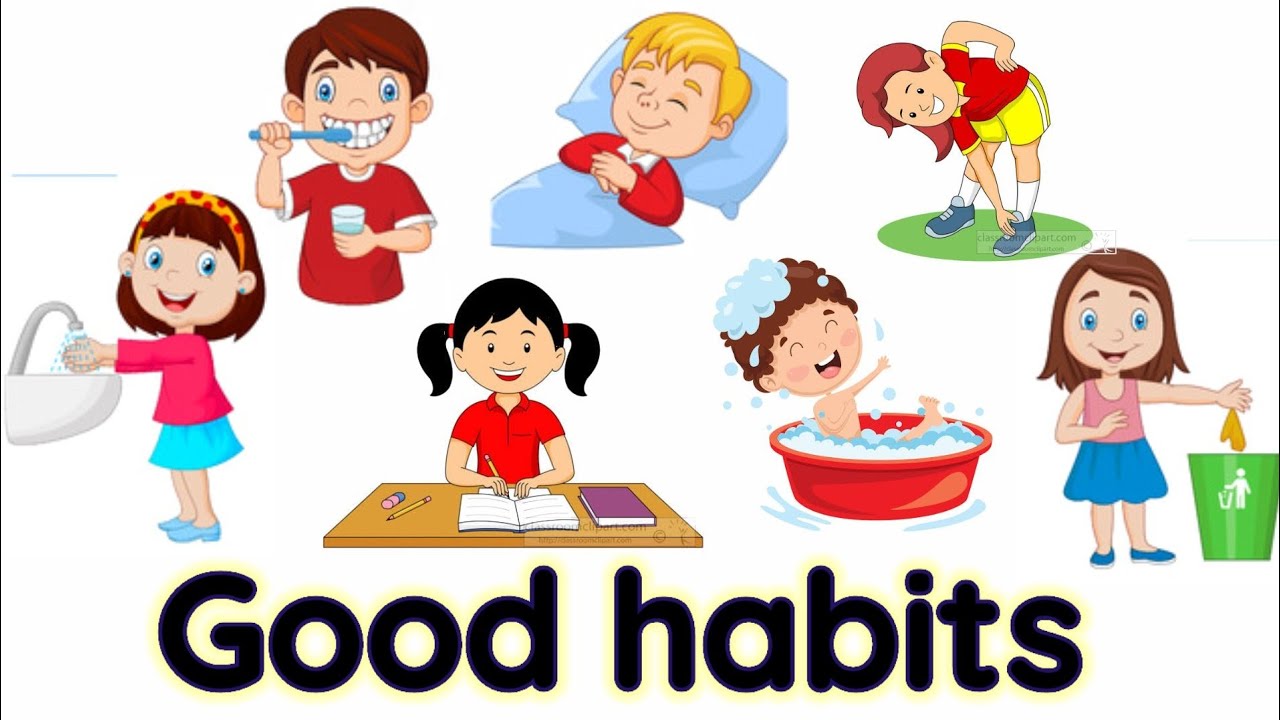
Good habits are essential for maintaining a clean and healthy environment. Here are some of the essential habits that you should adopt to keep your home clean and healthy:- Wash your hands frequently, especially before cooking or eating
- Take off your shoes before entering the house
- Use doormats to trap dirt and dust
- Wipe surfaces regularly with a disinfectant
- Keep your kitchen clean and free from food waste
- Do laundry regularly and store clean clothes in a clean and dry place
- Keep your bathroom clean and dry to prevent the growth of mold and bacteria
The Role Of Cleaning In Disease Prevention
Cleaning plays a crucial role in preventing the spread of diseases. Regular cleaning of surfaces and objects that are frequently touched, such as doorknobs, light switches, and phones, can help prevent the spread of germs. Cleaning also helps to remove allergens and irritants that can cause respiratory problems. Studies have shown that regular cleaning and disinfecting can help prevent the spread of infectious diseases, such as the flu and COVID-19. By maintaining a clean and healthy environment, you can reduce the risk of infections and illnesses. In conclusion, adopting daily cleaning routines and essential habits can help maintain a clean and healthy environment. Cleaning plays a crucial role in preventing the spread of diseases and infections. By keeping your home clean and healthy, you can protect yourself and your family from illnesses and infections.
Credit: www.pinterest.com
Choosing The Right Cleaning Products
When it comes to maintaining a clean and healthy home, choosing the right cleaning products is essential. The cleaning products we use can have a significant impact on our health and the environment. In this section, we will explore the difference between natural and chemical cleaners, as well as the importance of understanding product labels and ingredients.
Natural Vs. Chemical Cleaners
When selecting cleaning products, it’s important to consider the potential health risks associated with chemicals found in many conventional cleaners. Chemical cleaners often contain harsh ingredients that can irritate the skin, eyes, and respiratory system. They may also release harmful fumes into the air, which can be particularly harmful to individuals with respiratory conditions or allergies.
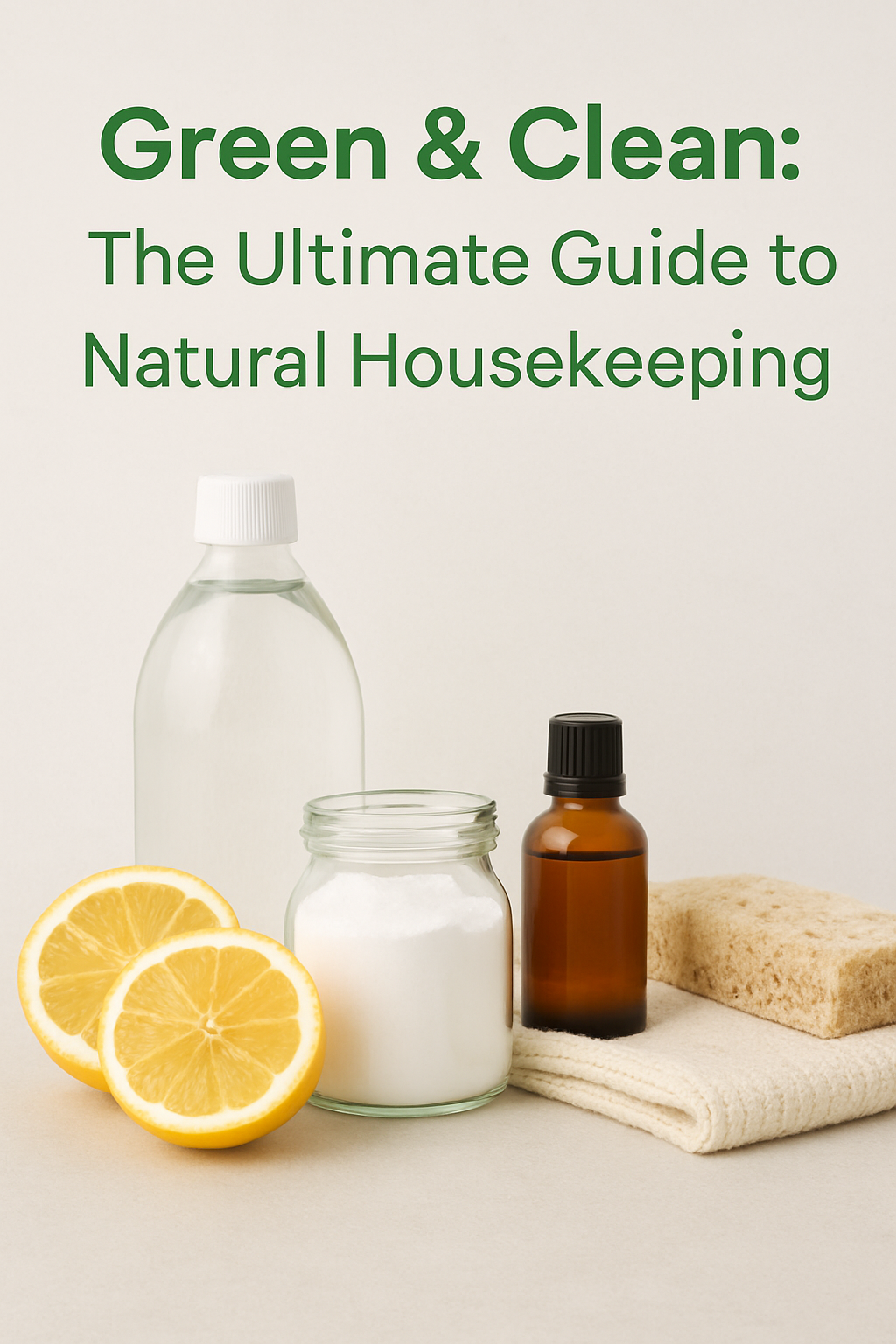
On the other hand, natural cleaners offer a safer alternative. These products are typically made from plant-based ingredients and do not contain harsh chemicals. Natural cleaners are gentle on the skin and respiratory system, making them a healthier choice for both humans and pets. Additionally, they are less harmful to the environment as they do not contribute to water and air pollution.
Understanding Product Labels And Ingredients
Product labels and ingredient lists provide valuable information about the safety and effectiveness of cleaning products. It’s essential to understand these labels to make informed choices for your health and the environment.
When reading product labels, look for certifications such as “Green Seal” or “EcoLogo,” which indicate that the product meets specific environmental and health standards. These labels can help you identify cleaning products that are safer for you and the planet.
Additionally, pay attention to the ingredients listed on the product. Avoid products that contain chemicals such as ammonia, chlorine, or phosphates, as these can be harmful to your health and the environment. Instead, opt for cleaners that use natural ingredients like vinegar, baking soda, or essential oils.
By understanding product labels and ingredients, you can make informed decisions when choosing cleaning products that promote good health and protect the environment.
The Impact Of A Clean Kitchen On Nutritional Health
A clean kitchen plays a crucial role in promoting nutritional health. The impact of a clean kitchen on nutritional health is profound, as it directly affects safe food preparation practices and organizing for healthier eating habits. By maintaining a clean kitchen, individuals can create an environment that supports and enhances their nutritional well-being.
Safe Food Preparation Practices
Safe food preparation practices are essential for maintaining good nutritional health. By keeping the kitchen clean, preventing cross-contamination, and properly storing food, individuals can reduce the risk of foodborne illnesses and ensure the safety of the meals they prepare. Regular cleaning of kitchen surfaces, utensils, and appliances can help prevent the spread of harmful bacteria and pathogens, promoting overall well-being.
Organizing For Healthier Eating Habits
Organizing the kitchen for healthier eating habits is crucial for promoting nutritional health. By maintaining a clean and well-organized kitchen, individuals can create an environment that encourages the consumption of fresh fruits, vegetables, and whole foods. Organizing the pantry, refrigerator, and meal preparation areas can make it easier to access nutritious ingredients, leading to better dietary choices and improved overall health.
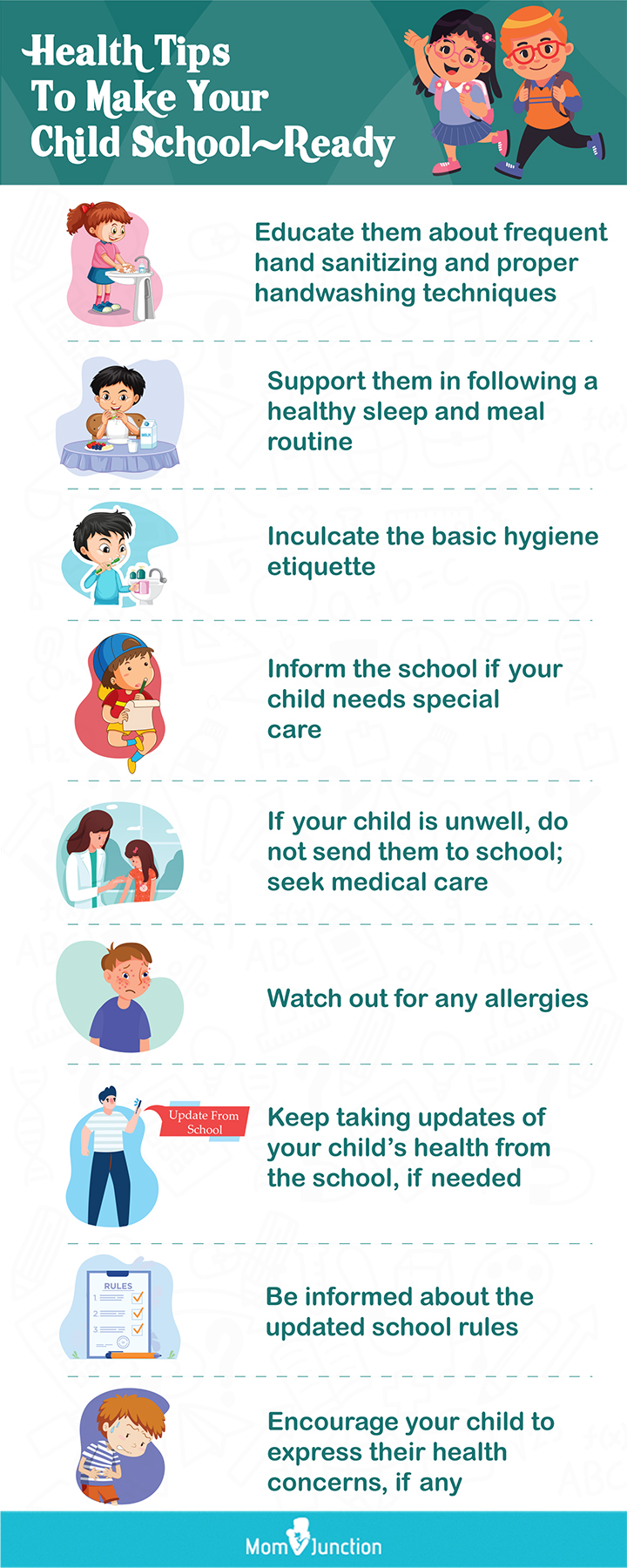
Credit: www.momjunction.com
Clean Spaces For Mental Clarity And Focus
Clean spaces are essential for maintaining mental clarity and focus. The environment we occupy can significantly impact our mental well-being. From reducing stress and anxiety to fostering productivity, the cleanliness of our surroundings plays a crucial role in our overall mental health.
The Effect Of Cleanliness On Stress And Anxiety
A clutter-free and tidy environment can reduce stress and anxiety. Research has shown that tidy spaces can lead to a calmer state of mind and decreased levels of stress hormones.
Moreover, a clean space can promote a sense of control, which is vital in managing anxiety and stress levels.
Creating A Productive And Calming Workspace
An organized and clean workspace can enhance productivity and promote a sense of calm. A clutter-free desk and well-maintained surroundings can help minimize distractions and improve focus.
Additionally, incorporating elements of nature, such as plants, into the workspace can contribute to a calming atmosphere, further enhancing mental clarity and focus.
Personal Hygiene: The Foundation Of Good Health
Personal hygiene is essential for maintaining good health. Our daily habits play a crucial role in preventing illnesses and promoting overall well-being. By prioritizing personal care, we establish a strong foundation for a healthy lifestyle.
Essential Daily Personal Hygiene Practices
Regularly washing hands with soap and water prevents the spread of germs. Brushing teeth twice a day helps maintain oral hygiene. Showering daily removes dirt and bacteria from the skin.
The Relationship Between Personal Care And Self-esteem
Personal hygiene directly impacts how we feel about ourselves. Maintaining cleanliness boosts confidence and self-esteem. Good grooming habits contribute to a positive self-image.
Credit: www.youtube.com
Involving The Whole Family In Cleaning Activities
Get the whole family involved in cleaning to promote good health. Encourage everyone to participate in regular cleaning activities to maintain a clean and healthy living environment. By working together, the family can foster positive cleaning habits and reduce the risk of illness.
Teaching Children About Hygiene And Responsibility
Start teaching children about hygiene and responsibility early on.
Make it a fun learning experience for them.
Use simple language they can understand easily.
Encourage them to develop good habits.
Show them how cleaning keeps them healthy and safe.
Assign age-appropriate tasks to each child.
Making Cleaning Fun And Engaging For All Ages
Create a cleaning routine that involves the whole family.
Turn on some music while cleaning to make it enjoyable.
Set cleaning goals and reward achievements to keep everyone motivated.
Make a game out of cleaning tasks to engage younger children.
Use colorful cleaning tools and supplies to make it visually appealing.
Involve everyone in decision-making on cleaning schedules.
The Psychological Effects Of A Clean Living Space
A clean living space not only promotes good physical health but also has positive psychological effects. By maintaining regular cleaning habits, individuals can experience reduced stress levels, improved focus, and increased feelings of calmness and well-being. A tidy environment can contribute to overall good health and well-being.
How Order And Cleanliness Contribute To Happiness
A clean living space promotes a positive mindset and reduces stress levels. Organized environments can enhance mood and overall well-being. Living in a tidy space helps to foster a sense of calmness. Maintaining order at home can lead to increased happiness.The Connection Between A Tidy Home And Sleep Quality
A clutter-free environment promotes relaxation and better sleep. Sleep quality is influenced by the cleanliness and organization of the bedroom. Tidying up before bedtime can help improve sleep hygiene. Maintaining a tidy home can contribute to a more restful night’s sleep. Creating a tranquil living space is essential for a good night’s rest.Advanced Cleaning Techniques For A Deep Clean
When and How to Perform a Deep Cleaning
Deep cleaning is crucial for maintaining a healthy living environment.
It involves going beyond the surface to eliminate hidden germs and dirt.
When and How to Perform a Deep Cleaning
- When: Schedule deep cleaning quarterly or as needed.
- How: Start from top to bottom, focusing on neglected areas.
| Tools | Equipment |
|---|---|
| Vacuum cleaner | Microfiber cloths |
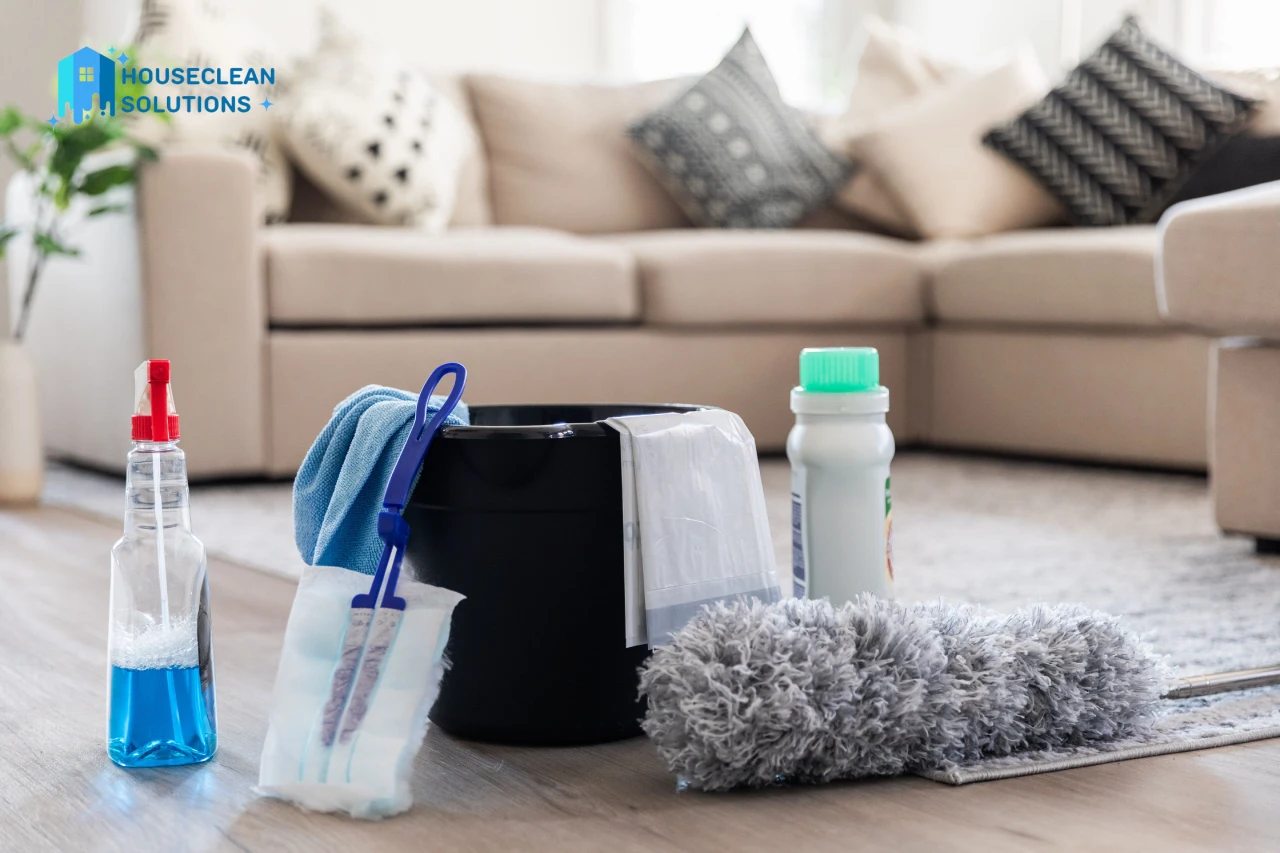
| Broom and mop | Duster with extension |
| Gloves | Steam cleaner |
Frequently Asked Questions
What Are The 7 Healthy Hygiene Habits?
The 7 healthy hygiene habits are: 1. Washing hands frequently with soap and water for at least 20 seconds. 2. Covering mouth and nose when coughing or sneezing. 3. Avoiding touching face, especially eyes, nose and mouth. 4. Cleaning and disinfecting frequently touched objects and surfaces.
5. Practicing social distancing and wearing masks in public. 6. Taking a shower or bath regularly. 7. Keeping nails short, clean and trimmed.
How Cleanliness Promotes Good Health?
Cleanliness promotes good health by reducing the spread of germs and diseases. Keeping surroundings clean helps prevent infections and illnesses. Regular hygiene practices, such as handwashing, also play a vital role in maintaining good health. Additionally, a clean environment can contribute to better mental and emotional well-being.
What Are 5 Benefits Of Having Good Personal Hygiene?
Good personal hygiene benefits include preventing illness, boosting self-confidence, improving overall health, enhancing social interactions, and reducing body odor.
What Is Good Personal Cleanliness?
Good personal cleanliness refers to maintaining proper hygiene practices that keep your body and surroundings clean and healthy. This includes regular bathing, washing your hands, brushing your teeth, and wearing clean clothes. It also involves keeping your living spaces clean and tidy to prevent the spread of germs and bacteria.
Conclusion
Maintaining good cleaning habits is essential for promoting good health. By regularly cleaning and disinfecting our living spaces, we can reduce the risk of illness-causing germs and bacteria. Additionally, keeping our surroundings clean can also improve our mental well-being and overall quality of life.
So, make cleaning a part of your daily routine and enjoy the benefits of a healthy and hygienic environment.