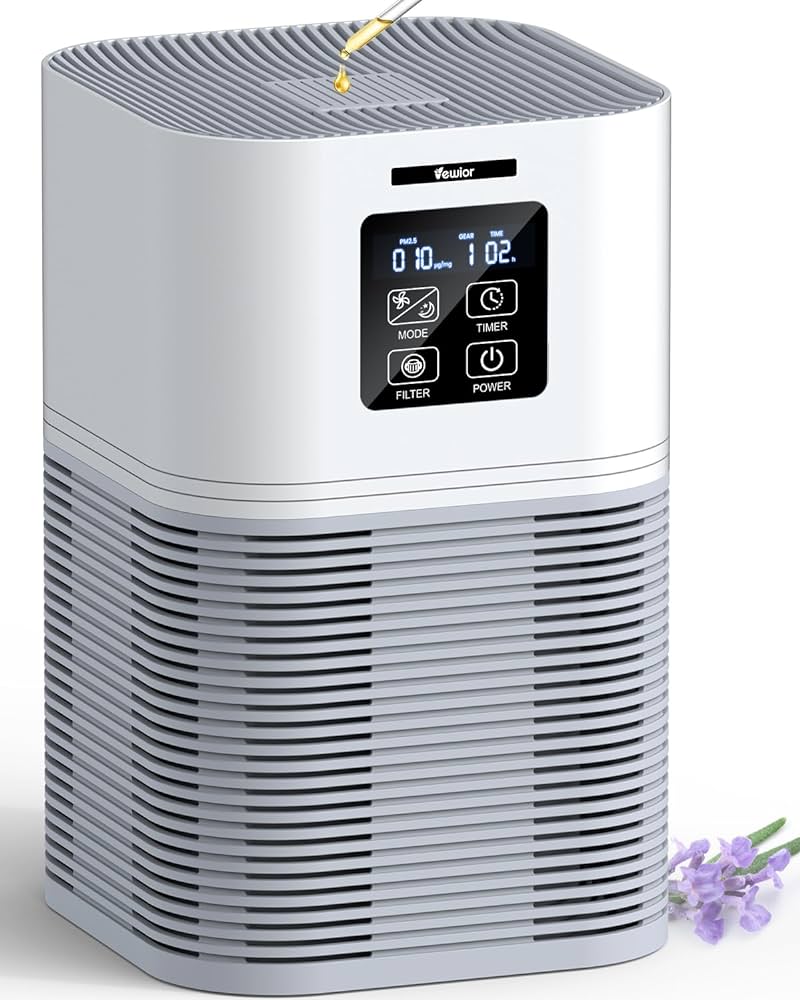
An air purifier is a device that removes contaminants from the air to improve indoor air quality. It helps reduce allergens, dust, and other particles, creating a healthier environment for occupants.
Air purifiers come in various types and sizes, using different technologies to trap and eliminate pollutants. From HEPA filters to UV light purifiers, these devices are designed to target specific pollutants and provide clean air. Whether for allergy relief or general wellness, air purifiers have become essential for many households and businesses.
The importance of clean air cannot be overstated, and investing in an air purifier is a proactive step towards ensuring a healthier living or working space.
The Rising Concern For Indoor Air Quality
Indoor air quality has become a growing concern as people spend more time indoors, especially in urban areas where pollution levels are high. The air inside our homes and offices can be filled with pollutants that affect our health. This has led to an increased demand for air purifiers, as people seek solutions to improve the air they breathe.
Sources Of Indoor Pollution
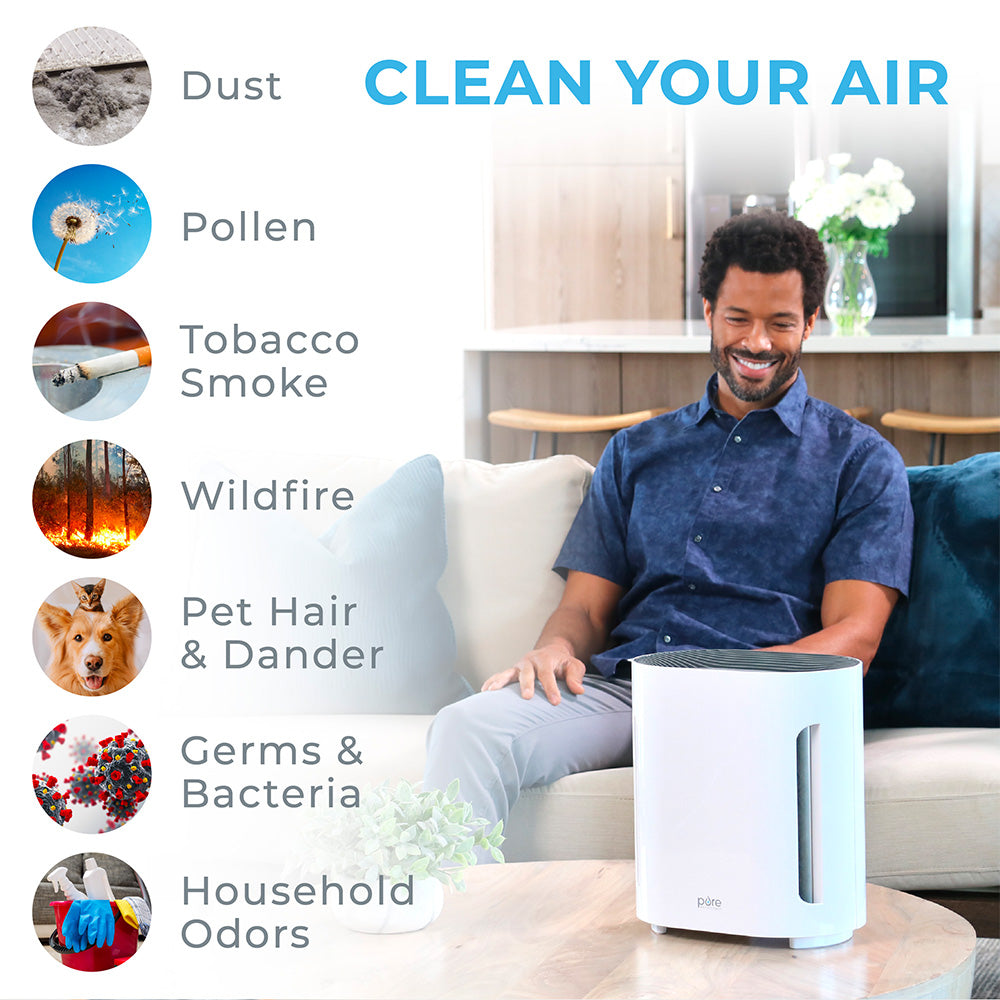
Indoor pollution can come from various sources including cigarette smoke, cooking fumes, cleaning products, dust, pet dander, and mold. Additionally, volatile organic compounds (VOCs) from building materials, paints, and furniture can also contribute to indoor air pollution.
Effects Of Poor Air Quality On Health
Poor air quality can lead to various health issues such as respiratory problems, allergies, asthma, headaches, and fatigue. Long-term exposure to indoor pollutants can even increase the risk of heart disease and cancer. Children, the elderly, and individuals with pre-existing health conditions are particularly vulnerable to the effects of poor indoor air quality.
Credit: pureenrichment.com
Air Purifier Basics
An air purifier is an essential appliance for maintaining clean and healthy indoor air quality. Understanding the basics of air purifiers, including how they work and the different types available, is crucial for anyone looking to invest in one.
How Air Purifiers Work
Air purifiers work by drawing in air and passing it through a series of filters to remove contaminants, such as dust, pollen, pet dander, and other airborne particles. The purified air is then circulated back into the room, creating a cleaner and fresher environment. Some advanced air purifiers also utilize technologies like UV-C light or ionization to neutralize germs and bacteria.
Types Of Air Purifiers
There are several types of air purifiers to choose from, each designed to target specific pollutants. These include:
- HEPA Air Purifiers: Effective at capturing 99.97% of particles as small as 0.3 microns.
- Activated Carbon Air Purifiers: Ideal for removing odors, chemicals, and gases from the air.
- Ionic Air Purifiers: Emit charged ions to attract and remove airborne particles from the air.
- UV-C Air Purifiers: Utilize ultraviolet light to eliminate germs, viruses, and bacteria.
Key Features To Look For In An Air Purifier
When choosing an air purifier, it’s crucial to understand the key features that will ensure its effectiveness in improving indoor air quality. From filter types to noise levels, each feature plays a vital role in determining the air purifier’s performance. Let’s explore the essential features to look for when selecting an air purifier.
Filter Types
High-efficiency particulate air (HEPA) filters are the gold standard when it comes to air purifiers. They can capture up to 99.97% of particles as small as 0.3 microns, including dust, pollen, pet dander, and mold spores. Additionally, activated carbon filters are effective in removing odors, smoke, and volatile organic compounds (VOCs) from the air.
Cadr Ratings
Clean Air Delivery Rate (CADR) measures the volume of clean air that an air purifier delivers per minute. Look for an air purifier with CADR ratings that match the size of the room where it will be used. Higher CADR ratings ensure quicker and more efficient air purification.
Noise Levels
Low noise levels are essential for maintaining a peaceful indoor environment. Seek air purifiers with low decibel (dB) ratings to minimize disruption, especially during quiet activities or while sleeping. Some air purifiers feature ‘sleep’ modes that operate quietly for nighttime use.

Credit: www.danby.com
Understanding Filters: Hepa And Beyond
Air purifiers are essential devices for maintaining clean indoor air quality. They work by using filters that trap airborne pollutants and allergens, leaving behind fresh and breathable air. The filters used in air purifiers come in different types, with HEPA filters being the most popular. In this section, we’ll take a closer look at HEPA filters, their efficiency, and alternative filter options.
Hepa Filter Efficiency
HEPA filters are high-efficiency particulate air filters that can capture up to 99.97% of particles as small as 0.3 microns. These filters are made of densely packed layers of fine mesh that trap pollutants like dust, pollen, pet dander, and smoke. The efficiency of HEPA filters is measured by their MERV rating, which stands for Minimum Efficiency Reporting Value. The higher the MERV rating, the more efficient the filter.
HEPA filters are the gold standard in air filtration, but they do have some limitations. For one, they can’t trap gases and odors, which require activated carbon filters. Additionally, HEPA filters need to be replaced regularly to maintain their efficiency. The frequency of replacement depends on the level of air pollution in your home and the capacity of the air purifier.
Alternatives To Hepa
While HEPA filters are the most popular option, there are alternative filters that can also effectively purify the air. Some of these options include:
- Activated Carbon Filters: These filters are great for eliminating odors and gases. They work by absorbing pollutants into their porous surface.
- UV-C Filters: These filters use ultraviolet light to kill bacteria and viruses. They work by breaking down the DNA of microorganisms, rendering them harmless.
- Electrostatic Filters: These filters use an electric charge to trap particles. They work by attracting particles to their oppositely charged surface.
When choosing an air purifier, it’s important to consider your specific needs and the types of pollutants you want to eliminate. HEPA filters are a great all-around option, but if you have specific concerns like odors or bacteria, you may want to consider alternative filter options.
Placement And Maintenance For Optimal Performance
For optimal performance of your air purifier, proper placement and regular maintenance are crucial. Ensure ideal positioning in the room and routinely clean or replace filters to maintain efficiency.
Best Locations For Air Purifiers
Choose placement near sources of pollutants like kitchens or pet areas.
Keep air purifiers at a good distance from walls for optimal airflow.
Regular Maintenance Tips
Replace filters every 3-6 months depending on usage.
Regularly wipe down the exterior to prevent dust buildup.
The Impact Of Technology On Air Purification
Air pollution is a major concern, and with the increase in pollution levels, the need for air purifiers has also increased. Air purifiers have become an essential part of our lives, and with the latest advancements in technology, they have become more efficient and effective. The use of air purifiers has become a necessity, especially for people with allergies and respiratory problems. In this blog post, we will discuss the impact of technology on air purification and how it has revolutionized the air purifier industry.
Smart Air Purifiers
Smart air purifiers are the latest trend in the air purifier industry. These purifiers are equipped with Wi-Fi connectivity and can be controlled remotely using a smartphone app. They can also be connected to smart home devices like Amazon Alexa and Google Assistant. Smart air purifiers are designed to monitor the air quality in your home and adjust the fan speed accordingly. They can also provide you with real-time air quality updates and filter replacement reminders. With the latest advancements in technology, smart air purifiers are becoming more affordable and accessible to the average consumer.
Innovations In Filtration Technology
Filtration technology is the heart of any air purifier, and with the latest innovations, the efficiency and effectiveness of air purifiers have improved significantly. HEPA filters are the most common type of filter used in air purifiers, and they are designed to remove 99.97% of particles that are 0.3 microns or larger. However, with advancements in technology, new types of filters have been developed that can remove even smaller particles. Activated carbon filters are designed to remove odors and harmful gases like VOCs. UV-C light technology is also being used in air purifiers to kill bacteria and viruses. With the combination of these filters, air purifiers can remove a wide range of pollutants from the air.
In conclusion, the impact of technology on air purification has been significant. Smart air purifiers and innovations in filtration technology have made air purifiers more efficient and effective. With the increase in pollution levels, air purifiers have become a necessity, and with the latest advancements in technology, they have become more accessible to the average consumer. It is essential to choose the right air purifier for your needs, and with the latest advancements in technology, there is an air purifier for every budget and requirement.
Choosing The Right Air Purifier For Your Home
Selecting the perfect air purifier for your home can seem daunting. Understanding your home’s unique needs and selecting a unit that meets them is key to improving indoor air quality. Take into consideration factors such as room size, filter type, and noise level when making your selection.
Assessing Room Size And Conditions
Consider room size and air quality before selecting an air purifier.
Budget Considerations
Review your budget to find an air purifier that fits your financial limits.
The Role Of Air Purifiers In Combating Allergies And Asthma
Air purifiers play a crucial role in alleviating symptoms for allergy and asthma sufferers.
Relief For Allergy Sufferers
Air purifiers filter out allergens like pollen, dust mites, and pet dander.
- Reduces allergy symptoms such as sneezing and itchy eyes.
- Improves indoor air quality for allergy relief.
Preventing Asthma Triggers
Air purifiers remove irritants such as smoke and mold spores that can trigger asthma attacks.
- Helps asthma patients breathe easier.
- Creates a clean environment free of asthma triggers.
Beyond The Home: Air Purifiers In The Workplace And Public Spaces
Air purifiers are not just for homes anymore. They are becoming increasingly popular in workplaces and public spaces as well. With the rise of air pollution, businesses and public places are beginning to take notice of the importance of clean air. Here, we will explore the use of air purifiers in commercial settings and the future of air purification in public spaces.
Commercial Air Purification Systems
Commercial air purification systems are designed to remove harmful particles from the air in large spaces. They are commonly found in offices, hospitals, and schools. These systems use advanced filters to trap pollutants such as dust, pollen, and bacteria. They can also remove odors and chemicals from the air.
One of the benefits of commercial air purifiers is that they can improve the health and productivity of employees. Poor indoor air quality can lead to a range of health problems such as allergies, asthma, and headaches. By removing harmful particles from the air, air purifiers can help reduce the risk of these health issues.
The Future Of Air Purification In Public Spaces
The future of air purification in public spaces is promising. As air pollution continues to be a growing concern, more and more public places are investing in air purifiers. For example, airports and train stations are beginning to install air purification systems to improve air quality for travelers.
In addition to air purifiers, new technologies such as UV-C light and photocatalytic oxidation are being developed to improve air quality in public spaces. These technologies can destroy harmful particles in the air, making them a promising solution for improving air quality in large spaces.
Overall, air purifiers are becoming an essential part of maintaining clean air in workplaces and public spaces. Commercial air purification systems can help improve the health and productivity of employees, while new technologies are being developed to further improve air quality in public spaces. As the importance of clean air continues to grow, we can expect to see more and more businesses and public places investing in air purifiers.

Credit: www.amazon.com
Frequently Asked Questions
Faq 1: How Does An Air Purifier Work?
An air purifier works by drawing in air and passing it through a series of filters that capture airborne particles such as dust, pollen, and pet dander. Some models also use UV light or ionizers to neutralize bacteria and viruses.
The purified air is then released back into the room, ensuring cleaner and healthier indoor air quality.
Faq 2: Can An Air Purifier Help With Allergies?
Yes, an air purifier can help alleviate allergies by trapping allergens like pollen, mold spores, and pet dander from the air. HEPA filters, commonly used in air purifiers, are highly effective in capturing these particles. By reducing the allergen levels in the air, individuals with allergies can experience relief from symptoms such as sneezing, congestion, and itchy eyes.
Faq 3: Do Air Purifiers Remove Odors?
Yes, air purifiers can help eliminate odors by capturing and neutralizing the particles that cause them. Activated carbon filters, found in many air purifiers, excel at absorbing odorous substances like smoke, cooking smells, and pet odors. However, it’s important to note that air purifiers are most effective at removing odors within a confined space and may take some time to completely eliminate strong odors.
Faq 4: Can An Air Purifier Reduce The Risk Of Respiratory Illnesses?
While air purifiers cannot completely eliminate the risk of respiratory illnesses, they can help reduce the presence of airborne pollutants that may contribute to such illnesses. By capturing and filtering out particles like dust, mold spores, and bacteria, air purifiers can improve indoor air quality and create a healthier environment.
It’s important to combine the use of air purifiers with other preventive measures like proper ventilation and regular cleaning.
Conclusion
To sum up, an air purifier is an essential device for maintaining clean and fresh indoor air. By effectively eliminating pollutants, such as dust, allergens, and odors, it promotes a healthier environment for you and your loved ones. With its advanced filtration system and user-friendly features, an air purifier is a reliable investment in your well-being.
So, why wait? Improve your indoor air quality today and breathe easier with an air purifier.