



To wash clothes by hand, fill a basin with water and detergent, add clothes, agitate them, rinse and wring them out. Hand washing clothes is an easy and effective way to clean delicate items or when you don’t have access to a washing machine.
It’s also a great way to save money on laundry expenses, and it’s environmentally friendly because it doesn’t require electricity or water. With a few simple steps, you can achieve clean and fresh-smelling clothes. We’ll walk you through the process of hand washing clothes step by step, so you can get the best results.
Why Hand Washing Clothes Is Beneficial
Hand washing clothes is a simple yet effective way to keep your garments clean and well-maintained. There are numerous benefits to washing clothes by hand, ranging from economic savings to environmental impact. Let’s explore why hand washing clothes is a beneficial practice.
Economical And Eco-friendly
Hand washing clothes is economical as it reduces the need for electricity and water consumption, resulting in lower utility bills. Additionally, it is eco-friendly as it minimizes the use of detergents and reduces the energy required for washing and drying machines.
Gentle On Fabrics
Hand washing is gentle on fabrics as it allows for greater control over the washing process, preventing wear and tear caused by the agitation of washing machines. This method helps to maintain the color, shape, and texture of delicate fabrics, extending the lifespan of your clothing.

Credit: www.shutterstock.com
Preparation: Before You Begin
Preparation is key when it comes to hand-washing your clothes. Before you begin, it’s important to gather the necessary supplies and sort your laundry to ensure a successful washing process.
Gathering Supplies
Before starting the hand-washing process, gather all the necessary supplies. These include a mild detergent, a clean basin or sink, and access to clean, cold water. You may also need a laundry stain remover for tougher stains. Having all these supplies readily available will make the hand-washing process more efficient.
Sorting Laundry
Sorting your laundry is an important step to ensure that each item receives the appropriate treatment. Separate your clothes based on color, fabric type, and level of dirtiness. This will help prevent colors from bleeding and ensure that delicate fabrics are not damaged during the washing process.
Choosing The Right Detergent
When it comes to washing clothes by hand, choosing the right detergent is crucial to achieving clean and fresh-smelling garments. With the wide variety of detergents available in the market, it can be overwhelming to decide which one is best suited for your needs. In this section, we will discuss the different types of detergents and how to consider fabric types when selecting the appropriate detergent for hand washing.
Types Of Detergents
Before delving into the specifics of choosing the right detergent, let’s first explore the different types available:
| Type | Features |
|---|---|
| Standard Detergent | A general-purpose detergent suitable for most fabrics |
| Gentle Detergent | Mild formula ideal for delicate and sensitive fabrics such as silk or lace |
| Stain Remover Detergent | Specifically designed to tackle tough stains and pre-treat heavily soiled areas |
| Color-Safe Detergent | Formulated to prevent colors from fading or bleeding during the washing process |
By understanding the different types of detergents available, you can choose the one that suits your specific laundry requirements.
Considering Fabric Types
When selecting a detergent for hand washing, it is important to consider the fabric type of your garments. Different fabrics have different care requirements, and using the wrong detergent can potentially damage or ruin your clothes. Here are some fabric types to keep in mind:
- Cotton: A sturdy fabric that can handle most detergents, but opt for a gentle detergent for delicate cotton items.
- Wool: Requires a specialized wool detergent to prevent shrinking and maintain its softness.
- Silk: Delicate silk should be washed with a gentle detergent specifically formulated for silk fabrics.
- Denim: A durable fabric that can withstand a standard detergent, but avoid harsh detergents to prevent color fading.
By considering the fabric types, you can ensure that your clothes are being cleaned effectively without compromising their quality.
Pre-treating Stains And Spots
When it comes to washing clothes by hand, pre-treating stains and spots is an essential step to ensure that your garments come out clean and fresh. By identifying stains correctly and using homemade solutions, you can effectively remove stubborn marks and prevent them from setting in.
Identifying Stains
Before you start pre-treating stains, it’s important to identify the type of stain you’re dealing with. This will help you choose the right method and solution for removing it effectively. Here are some common types of stains you may encounter:
- Food stains: Such as oil, grease, chocolate, or coffee.
- Grass stains: Typically green or brown in color.
- Ink stains: From pens, markers, or printer ink.
- Blood stains: Red or brown in color.
- Wine or juice stains: Often leave behind a vibrant color.
By identifying the stain, you can tailor your pre-treatment approach to maximize its effectiveness.
Homemade Solutions
When it comes to pre-treating stains, you don’t always need to rely on expensive commercial products. Homemade solutions can be just as effective and save you money. Here are a few tried and tested remedies:
| Stain Type | Homemade Solution |
|---|---|
| Oil or grease stains | A mixture of dish soap and warm water. |
| Grass stains | A paste made of baking soda and water. |
| Ink stains | Rubbing alcohol or hairspray. |
| Blood stains | Cold water and salt solution. |
| Wine or juice stains | A mix of hydrogen peroxide and dish soap. |
Remember to always test these homemade solutions on a small, inconspicuous area of the fabric before applying them to the stain directly. This will ensure that they don’t cause any damage or discoloration.
By pre-treating stains and spots before washing your clothes by hand, you can tackle even the toughest marks and keep your garments looking their best.
The Washing Process
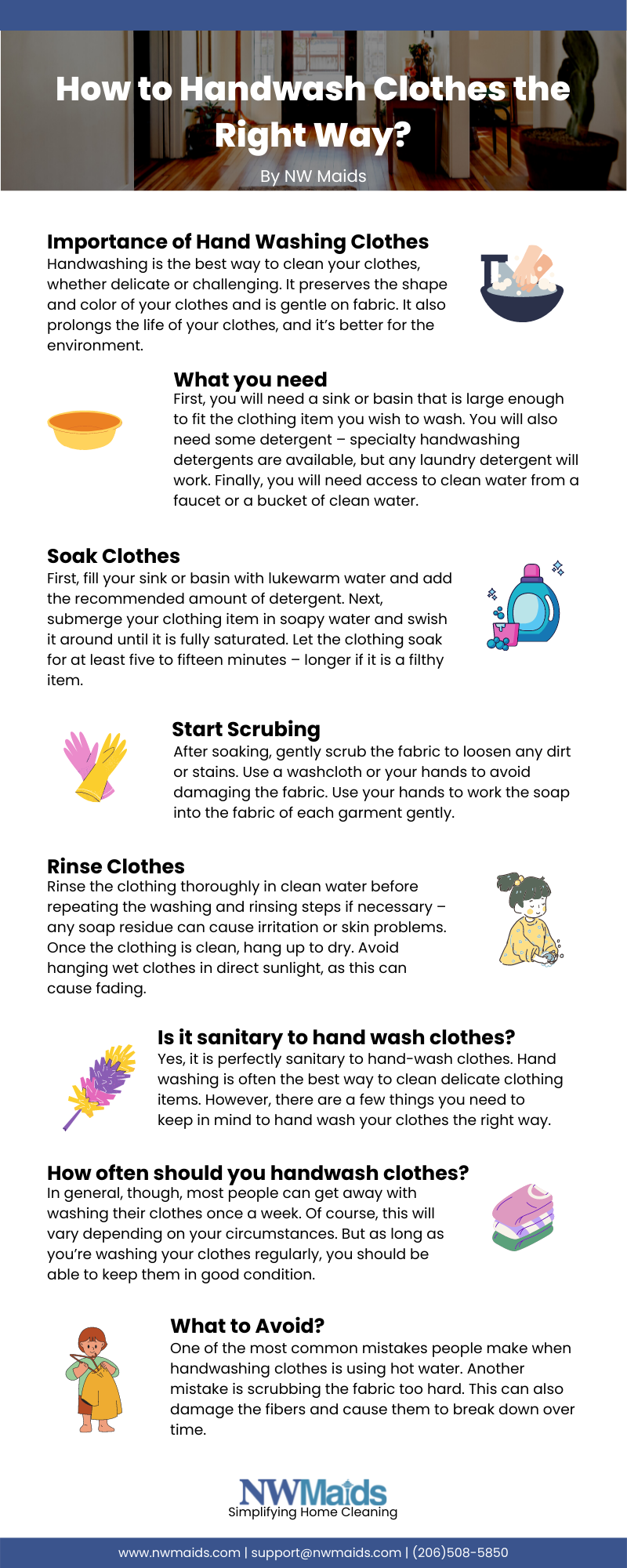
Hand washing clothes involves several steps to ensure they are cleaned thoroughly. Start by sorting the clothes, then pre-treat any stains before filling a basin with water and detergent. Gently agitate the clothes, rinse, and squeeze out the excess water before drying them.
Washing clothes by hand is a great way to make sure your delicate fabrics stay in top condition. The washing process involves three main steps: water temperature, soaking and agitation, and rinsing techniques.Water Temperature
The first step in washing clothes by hand is to choose the right water temperature. For most fabrics, warm water is the best choice. However, if you are washing delicate fabrics, such as silk or wool, then cold water is the best option. Hot water can damage and shrink clothes, so it should be avoided.Soaking And Agitation
The second step in washing clothes by hand is to soak and agitate them. Soaking clothes in water and detergent for about 10-15 minutes will help loosen dirt and stains. After soaking, gently agitate the clothes by rubbing them together with your hands. Be careful not to be too rough, as this can damage the fabric.Rinsing Techniques
The final step in washing clothes by hand is to rinse them thoroughly. Start by draining the soapy water and refilling the basin with clean water. Gently swish the clothes around in the water to remove any remaining detergent. Repeat this process until the water runs clear and there is no more soap left in the clothes. In conclusion, washing clothes by hand may seem like a tedious task, but it is an effective way to ensure the longevity of your clothes. Follow these simple steps for a successful washing process, and your clothes will thank you for it!Effective Hand-wringing Methods
Discover the effective hand-wringing methods for washing clothes by hand. Learn the step-by-step process to ensure your clothes are clean and fresh without the use of a washing machine. Master the art of hand washing for delicate garments and everyday laundry with these proven techniques.
Effective Hand-Wringing Methods When it comes to washing clothes by hand, wringing them out can be a tricky task. However, with the right techniques, you can effectively remove excess water without damaging your fabrics. In this section, we will explore some effective hand-wringing methods that you can use to remove excess water from your clothes. Removing Excess Water The first step in effective hand-wringing is removing as much excess water as possible before wringing. This can be done by gently pressing the garment against the side of the sink or basin. Be careful not to twist or wring the fabric as this can cause damage. Once you have removed as much water as possible, it’s time to start wringing. To do this, grab the garment at the top and bottom and twist in opposite directions. Repeat this motion several times until most of the water has been removed. Avoiding Fabric Damage When wringing out clothes by hand, it’s important to avoid causing damage to the fabric. This can be done by being gentle and not twisting or pulling too hard. You can also use a towel to help absorb excess water and protect delicate fabrics. To wring out delicate fabrics, such as silk or lace, gently press the garment between two towels. This will help to remove excess water without causing damage to the fabric. For heavier fabrics, such as denim or wool, you can use a twisting motion to remove excess water. In conclusion, effective hand-wringing is an important step in washing clothes by hand. By following these techniques, you can remove excess water without damaging your fabrics. Remember to be gentle and use a towel to protect delicate fabrics. With practice, you’ll become a pro at hand-wringing your clothes.Drying Clothes After Hand Washing
After carefully hand washing your clothes, it’s crucial to ensure they are dried properly to maintain their quality and prevent any damage. The drying process plays a significant role in achieving clean and fresh-smelling garments. In this section, we will explore effective strategies for air-drying clothes and speeding up the drying process.
Air-drying Strategies
Air-drying your hand-washed clothes is a simple and eco-friendly method that helps preserve their fabric and color. Here are some effective air-drying strategies to consider:
- Find a well-ventilated area: Choose a location with good air circulation, such as an outdoor clothesline or an indoor drying rack near an open window.
- Separate garments: Avoid overcrowding your drying space. Hang or lay your clothes in a way that allows air to circulate freely around each item.
- Use hangers for delicate items: Delicate fabrics like silk or lace should be hung on hangers to prevent stretching or distortion.
- Utilize clothespins or clips: Secure your clothes with clothespins or clips to prevent them from falling or getting blown away by the wind.
- Turn clothes inside out: To protect colors and prints, turn your clothes inside out before hanging them to dry.
Speeding Up The Drying Process
If you’re in a hurry and need your hand-washed clothes to dry faster, here are some tips to speed up the process:
- Wring out excess water: Before air-drying, gently squeeze out the excess water from your clothes. Be careful not to wring them too tightly as it may cause wrinkles or damage the fabric.
- Use absorbent towels: Lay your damp clothes on a clean, absorbent towel and roll it up to absorb additional moisture.
- Utilize a fan or dehumidifier: Place a fan or dehumidifier near your drying area to increase airflow and reduce drying time.
- Opt for a clothes dryer: If you have access to a clothes dryer, use the delicate or low-heat setting to dry your hand-washed clothes quickly.
- Hang clothes in a warm area: Choose a warm spot in your home, such as near a heater or in direct sunlight, to help speed up the drying process.
By following these air-drying strategies and techniques to speed up the drying process, you can ensure your hand-washed clothes are dried efficiently without compromising their quality.
Ironing And Storage Tips
For those who prefer hand washing clothes, the ironing and storage process can be just as important. After washing, gently wring out excess water and hang or lay the garment flat to dry. Once dry, iron the garment on the appropriate setting and store it in a cool, dry place to maintain its quality.
Ironing and Storage Tips Ironing for Crisp Results To achieve crisp and wrinkle-free clothes, proper ironing techniques are essential after hand-washing. Follow these simple steps for effective ironing: 1. Start by setting up your ironing board in a well-lit and spacious area. 2. Check the fabric care label to determine the appropriate ironing temperature for the garment. 3. Fill the iron with water and set it to the recommended steam level for the fabric. 4. Begin ironing with the garments that require the lowest temperature, gradually increasing the heat as needed. 5. Place a clean cloth between the iron and delicate fabrics like silk or satin to prevent damage. 6. For shirts and blouses, start with the collar and cuffs, then move on to the sleeves and body, ironing in smooth, downward strokes. 7. For pants and skirts, start with the waistband and pockets, then move to the front and back panels, and finally, the hems. 8. Remember to iron both sides of the garment to ensure a polished look. 9. Hang or fold the ironed clothes immediately to prevent wrinkles from forming. Storing Hand-Washed Items Proper storage is crucial to maintain the freshness and quality of hand-washed clothes. Follow these storage tips to preserve your garments: 1. Ensure that all items are completely dry before storing them to prevent mildew or unpleasant odors. 2. Fold knits and delicate items gently to avoid stretching or misshaping the fabric. 3. Hang garments that are prone to wrinkles, such as dresses or blazers, on sturdy hangers. 4. Use garment bags to protect delicate fabrics from dust and moths. 5. Keep your storage area clean and dry to prevent any damage to your clothes. 6. Avoid overcrowding your closet or drawers to allow proper airflow and prevent wrinkles. 7. Store seasonal items separately to make it easier to find and rotate your wardrobe. 8. Consider using sachets or cedar blocks to keep your stored clothes smelling fresh and deter pests. Remember, proper ironing and storage techniques are essential to keep your hand-washed clothes looking their best. By following these tips, you can ensure that your garments remain in excellent condition, ready to be worn whenever you need them.| Ironing for Crisp Results | Storing Hand-Washed Items |
|---|---|
|
|
Troubleshooting Common Issues
When washing clothes by hand, you may encounter common issues such as shrinkage and soap residue. It’s important to know how to troubleshoot these problems to ensure your clothes come out clean and in good condition.
Dealing With Shrinkage
To prevent shrinkage when washing clothes by hand, always use lukewarm water instead of hot water. Gently squeeze the water out instead of wringing the fabric, and avoid using excessive force when scrubbing. Lay the garment flat to dry instead of hanging it, as hanging can cause stretching and distortion.
Resolving Soap Residue
If you notice soap residue on your clothes after hand washing, try rinsing them again in clean water. Ensure that you are using the correct amount of detergent and avoid using too much. Consider using a vinegar rinse to help remove any lingering soap residue. Finally, make sure to thoroughly rinse the clothes to remove all traces of detergent.
Credit: nwmaids.com
Conserving Water And Energy
When washing clothes by hand, it’s crucial to adopt eco-friendly practices to conserve water and energy. By implementing these practices, you can minimize your environmental impact while still keeping your clothes clean and fresh.
Eco-friendly Practices
Implementing eco-friendly practices when washing clothes by hand can significantly reduce water and energy consumption. By following these simple steps, you can minimize the environmental impact of your laundry routine.
Reusing Water
One effective way to conserve water when washing clothes by hand is to reuse the water for multiple loads. After washing a batch of clothes, the used water can be repurposed for tasks such as cleaning floors or watering plants, reducing overall water usage.

Credit: www.facebook.com
Frequently Asked Questions
What Are The 7 Steps Of Hand Washing Clothes?
The 7 steps of hand washing clothes are as follows: 1. Sort clothes by color and fabric type. 2. Pre-treat any stains with a stain remover. 3. Fill a basin or sink with cool water and add detergent. 4. Submerge clothes and agitate them gently.
5. Rinse clothes thoroughly with cool water. 6. Gently squeeze out excess water. 7. Hang or lay clothes flat to dry.
What Are The 7 Steps Of Laundry?
The 7 steps of laundry are sorting, pre-treating, washing, drying, ironing, folding, and putting away.
What Are The 10 Steps To Washing Clothes?
To wash clothes, follow these 10 steps: 1. Sort clothes by color and fabric type. 2. Check garment labels for specific washing instructions. 3. Pre-treat stains with a stain remover or detergent. 4. Select the appropriate water temperature and cycle on your washing machine.
5. Add laundry detergent to the machine. 6. Load the clothes and start the washing cycle. 7. Once the cycle is complete, remove the clothes promptly. 8. Shake out any wrinkles before hanging or laying them flat to dry. 9.
If needed, iron clothes using the appropriate temperature setting. 10. Fold or hang the clothes neatly for storage.
What Are The Do’s And Don’ts Of Hand Washing Clothes?
Do’s for hand washing clothes: Sort by color, use gentle detergent, soak stains. Don’ts: Avoid hot water, wring or twist, use harsh chemicals, skip rinsing.
Conclusion
Incorporating these hand washing steps into your laundry routine will ensure that your clothes are clean and well-maintained. By following these simple guidelines, you can preserve the quality of your garments and extend their lifespan. Additionally, hand washing allows you to be more environmentally friendly by saving water and energy.
With these steps, you can achieve clean and fresh-smelling clothes without the need for a washing machine.