



To keep your clothes looking their best, follow these 10 laundry tips and tricks. In just a few simple steps, you can extend the life of your garments and make laundry day a breeze.
Whether you’re dealing with stubborn stains or delicate fabrics, these tips will help you achieve the best results and keep your clothes looking fresh and clean. From separating colors to choosing the right detergent, read on for our top laundry tips and tricks.
The Art Of Sorting
Efficiently sorting your laundry is the first step to ensuring a successful wash. Proper sorting not only prevents colors from bleeding and fabric damage, but it also ensures that each type of fabric receives the appropriate care it needs.
Color Coordination Secrets
Separating your laundry by color is essential to avoid color transfer and fading. Bright and dark colors should be washed separately from light ones to prevent bleeding. Sorting whites is crucial to maintain their brightness and prevent them from becoming dull.
Material Matters: Caring For Different Fabrics
Understanding the materials of your clothing is important for proper care. Delicate fabrics such as silk and lace require gentle washing, while sturdy fabrics like denim and cotton can withstand more rigorous cycles. Refer to garment labels for specific care instructions.
:max_bytes(150000):strip_icc()/our-best-laundry-tips-lead-getty-0923-c18d4479e4e6454b905f3fda6c3c756b.jpg)
Credit: www.marthastewart.com
Stain Removal Savvy
Common Stain Culprits
Food, grease, and grass are common stain culprits. Wine, coffee, and ink are also notorious for leaving stubborn marks on clothing.
Diy Stain Treatment Solutions
For food stains, mix 1 tablespoon of dish soap with 2 cups of warm water. Blot the stain with the solution using a clean cloth. For grease stains, sprinkle cornstarch on the affected area and let it sit for 30 minutes before brushing it off. To tackle grass stains, apply a mixture of equal parts white vinegar and water, then wash the garment as usual.
Temperature Tactics
Discover 10 effective laundry tips and tricks for washing clothes in our latest blog post. From selecting the right temperature to removing stubborn stains, these tactics will help you achieve optimal results and keep your garments looking fresh and clean.
Hot Vs. Cold: When To Use Each
When it comes to doing laundry, choosing the right water temperature can make a big difference in the results. Understanding when to use hot water and when to opt for cold can help you achieve cleaner and fresher clothes.
Hot water is ideal for tackling heavily soiled items, especially those stained with oil, grease, or protein-based substances. The high temperature helps to break down and dissolve tough stains more effectively. It is also beneficial for killing bacteria and allergens, making it a suitable choice for bedding, towels, and underwear.
On the other hand, cold water is best for items that are delicate, prone to shrinking, or colored. It helps prevent fading and shrinking, preserving the quality and lifespan of your clothes. Cold water is also a great option for lightly soiled garments that don’t require intense cleaning.
Protecting Delicates With The Right Temp
Delicate fabrics, such as silk, lace, and cashmere, require extra care when it comes to washing. Using the right water temperature is crucial to prevent damage and maintain their beauty.
For delicate items, it is recommended to use cold water. The gentle temperature helps preserve the fabric’s integrity and prevents shrinking or stretching. Using a mild detergent specifically designed for delicate fabrics will further protect the fibers and maintain their softness.
It’s essential to avoid using hot water, as it can cause delicate fabrics to lose their shape, become misshapen, or even tear. Always follow the care label instructions for temperature recommendations when washing delicate garments.
Detergent Dosage
To ensure proper detergent dosage, refer to the manufacturer’s guidelines and the specific laundry load size. Avoid overusing detergent, as it can lead to soap residue and skin irritation. Follow the recommended measurements for optimal cleaning results.
Measuring For Various Load Sizes
When it comes to detergent dosage, it’s important to measure the right amount for your load size. Using too much detergent can leave behind residue, while using too little may not effectively clean your clothes. To ensure you get it right, follow these guidelines:
- For small loads, measure half the recommended amount of detergent.
- For medium loads, use the full recommended amount.
- For large or heavily soiled loads, you may need to slightly increase the dosage, but be careful not to overdo it.
By measuring your detergent according to load size, you’ll achieve optimal cleaning results without wasting any product.
Liquid Vs. Powder: Pros And Cons
When choosing between liquid and powder detergent, it’s important to consider the pros and cons of each:
| Liquid Detergent | Powder Detergent | |
|---|---|---|
| Pros |
|
|
| Cons |
|
|
Consider your specific needs and preferences when deciding which type of detergent to use. Both options have their advantages and disadvantages, so choose the one that suits your laundry routine best.
Machine Mastery
Mastering the art of doing laundry can be a game changer. Here are 10 tips and tricks for washing clothes that will not only save you time and money, but also help extend the lifespan of your garments. From sorting to stain removal, these tips will ensure your clothes come out looking and smelling fresh every time.
Understanding Cycle Options
When it comes to washing clothes, understanding your machine’s cycle options is key to achieving the best results. Different fabrics require different cycles, temperatures, and spin speeds to prevent damage or shrinkage. For example, delicate fabrics like silk or lace require a gentle cycle with lower temperatures and lower spin speeds, while heavily soiled clothes may need a longer wash cycle with higher temperatures and faster spin speeds. Be sure to read the garment care label to determine the appropriate cycle for each item of clothing.Maintaining Your Washing Machine
Regular maintenance of your washing machine is crucial to ensure its longevity and efficiency. One simple tip is to clean the lint filter after every use to prevent clogs and promote proper airflow. Additionally, periodically cleaning the drum and dispensers with a mixture of white vinegar and baking soda can remove any buildup and eliminate odors. It’s also important to check and tighten any loose hoses or connections to prevent leaks and water damage. By understanding your machine’s cycle options and maintaining it regularly, you can achieve machine mastery and ensure the best results for your clothes. Don’t forget to sort your laundry by color and fabric type, use the appropriate amount of detergent, and always follow the care label instructions. With these tips and tricks, you can make laundry day a breeze and keep your clothes looking their best.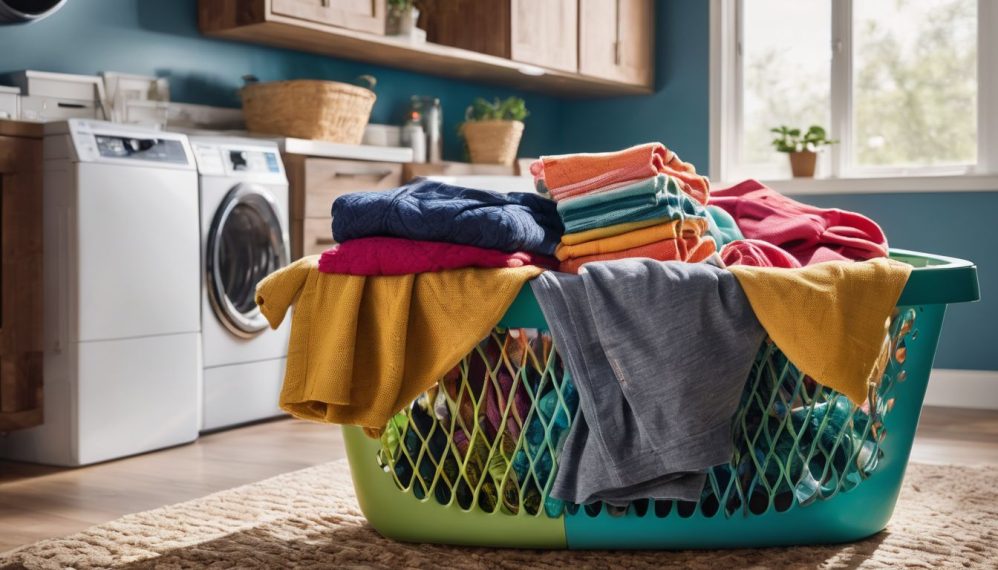
Credit: fcdrycleaners.com
Efficient Loading Techniques
Efficient loading techniques can make a big difference in the effectiveness of your laundry routine. Overloading your washing machine can lead to poor cleaning performance and damage to your clothes, while underloading can lead to wasted water and energy. By following these tips and tricks, you can maximize space in your washing machine and balance your loads for optimal cleaning performance.
Maximizing Space Without Overloading
When it comes to loading your washing machine, it’s important to maximize space without overloading. Overloading can lead to poor cleaning performance, wrinkled clothes, and even damage to your washing machine. To maximize space without overloading, consider the following tips:
- Sort clothes by weight and color to create balanced loads
- Fill the washing machine to about 3/4 full to allow room for clothes to move around
- Place large items on the bottom and lighter items on top to distribute the weight evenly
- Use a mesh laundry bag for small items like socks and underwear to prevent them from getting lost or tangled
Balancing Loads For Optimal Performance
Another important aspect of efficient loading techniques is balancing loads for optimal performance. An unbalanced load can cause your washing machine to shake, make noise, or even damage the machine. To balance your loads for optimal performance, consider the following tips:
- Sort clothes by weight and color to create balanced loads
- Place heavier items like jeans and towels on one side of the washing machine and lighter items like t-shirts and socks on the other side
- If you have a top-loading washing machine, make sure the clothes are evenly distributed around the agitator
- If you have a front-loading washing machine, make sure the clothes are evenly distributed around the drum
By following these efficient loading techniques, you can improve the effectiveness of your laundry routine and extend the life of your clothes and washing machine.
Natural Fabric Care
When it comes to taking care of your clothes, using natural methods can be beneficial for both your garments and the environment. By adopting eco-friendly practices and using gentle detergents, you can ensure that your clothes stay in excellent condition while minimizing your carbon footprint. In this section, we will explore two essential aspects of natural fabric care: eco-friendly detergents and air-drying versus machine drying.
Eco-friendly Detergents
Choosing the right detergent is crucial for maintaining the longevity and quality of your clothes. Many conventional detergents contain harsh chemicals that can be harmful to both your skin and the environment. By opting for eco-friendly detergents, you can effectively clean your clothes without compromising on sustainability.
Here are some eco-friendly detergents to consider:
- Seventh Generation: This brand offers plant-based laundry detergents that are free from synthetic fragrances and dyes.
- Mrs. Meyer’s Clean Day: Known for their natural and biodegradable formulas, Mrs. Meyer’s Clean Day offers a wide range of laundry products.
- Biokleen: Biokleen provides laundry detergents that are enzyme-based and free from phosphates and chlorine.
By using these eco-friendly options, you can keep your clothes clean and fresh while minimizing the negative impact on the environment.
Air-drying Versus Machine Drying
When it comes to drying your clothes, choosing between air-drying and machine drying can make a significant difference in maintaining their quality.
Air-drying your clothes is a gentle and energy-efficient method that helps preserve their fabric and color. Hang your garments on a clothesline or drying rack in a well-ventilated area. This method is particularly suitable for delicate fabrics or clothing items that tend to shrink or become misshapen in the dryer.
However, if you prefer machine drying, consider the following tips:
- Use low heat: Set your dryer to a low-heat or delicate cycle to prevent excessive heat damage to your clothes.
- Separate fabrics: Separate heavy fabrics from lighter ones to ensure even drying and prevent damage.
- Remove promptly: Promptly remove your clothes from the dryer once they are dry to prevent wrinkling or shrinkage.
By incorporating air-drying into your routine and following these machine drying tips, you can extend the life of your clothes and reduce energy consumption.
Ironing And Folding
Ironing and folding are essential steps in the laundry process. To simplify these tasks, try using wrinkle release sprays or fabric softeners, and fold clothes as soon as they come out of the dryer to avoid wrinkles.
Ironing Like A Pro
Ironing clothes can be a daunting task, but with a few simple tips and tricks, you can become a pro in no time. Here are some techniques to help you achieve wrinkle-free perfection: 1. Start by setting up your ironing board in a well-lit and spacious area. This will ensure that you have enough room to maneuver your clothes and see any wrinkles clearly. 2. Check the fabric care label on each garment before ironing. Different fabrics require different heat settings, so it’s essential to adjust the temperature accordingly. Remember to use a lower heat setting for delicate materials. 3. Fill your iron with distilled water to prevent mineral buildup and ensure a steady steam flow. Ironing with steam can help remove stubborn wrinkles and give your clothes a crisp finish. 4. Always iron clothes inside out to protect the fabric from direct heat. This is especially important for dark-colored garments, as it helps prevent any shine or discoloration. 5. When ironing shirts, start with the collar and cuffs before moving on to the sleeves and body. This sequence will help you tackle the most visible areas first and avoid re-wrinkling previously ironed sections. 6. For pants and skirts, begin ironing from the waistband or top hem down to the bottom. This technique ensures a smooth and even finish throughout the garment. 7. To remove stubborn wrinkles, dampen a clean cloth and place it over the wrinkled area. Gently press the iron over the cloth without applying too much pressure. The steam created will help relax the fabric, making it easier to smooth out. 8. Pay extra attention to pleats and creases. Use the edge of the iron to press them carefully, following the original lines of the garment.Folding For Space-saving Storage
Proper folding techniques not only keep your clothes organized but also maximize storage space in your drawers and closets. Here are some tips for space-saving folding: 1. Start by sorting your clothes by type (e.g., shirts, pants, dresses) to make the folding process more efficient. 2. Fold shirts and tops by placing them face down on a flat surface. Fold one side towards the center, then fold the sleeve over, creating a straight edge. Repeat on the other side and then fold the bottom up. This method allows for easy stacking and prevents wrinkles. 3. When folding pants, lay them flat with the legs together. Fold one leg over the other, making sure the creases align. Then fold in half lengthwise, creating a compact fold. 4. Dresses and skirts can be folded similarly to shirts. Lay them face down, fold one side towards the center, fold the sleeve or strap over, and repeat on the other side. Fold the bottom part up, and you’ll have a neatly folded garment ready for storage. 5. Utilize drawer dividers or small storage bins to keep folded clothes organized and separated by category. This makes it easier to find what you need without disrupting the rest of your neatly folded items. Remember, practicing proper ironing techniques and space-saving folding methods can save you time and effort in the long run. Incorporate these tips into your laundry routine, and you’ll have wrinkle-free and neatly folded clothes every time.Laundry Additives
When it comes to doing laundry, sometimes water and detergent aren’t enough to get the job done. That’s where laundry additives come in. These products can enhance the cleaning process, improve the smell and feel of your clothes, and help maintain their quality over time. In this section, we’ll explore the role of fabric softeners and bleach in laundry, and how they can be used effectively.
Fabric Softeners And Their Uses
Fabric softeners are designed to reduce static, make clothes feel softer, and impart a fresh scent to your laundry. They work by coating the fabric fibers with a thin layer of chemicals that have lubricating properties, which helps reduce friction between fibers and minimize static electricity. This can result in less wrinkling and easier ironing. Using fabric softeners also helps to preserve the elasticity of clothes, making them last longer. It’s important to follow the manufacturer’s instructions when adding fabric softener to your wash, as using too much can leave a residue on your clothes.
The Role Of Bleach
Bleach is a powerful disinfectant and whitening agent that can help remove tough stains and brighten white fabrics. It works by breaking down the chemical bonds of pigments, making the stains colorless. When using bleach, it’s crucial to read the care label on your garments to ensure they are bleach-safe. Avoid using bleach on delicate fabrics or garments with color patterns, as it can cause fading or damage. Additionally, never mix bleach with ammonia or other cleaning products, as this can produce toxic fumes.
Credit: www.whirlpool.com
Troubleshooting Common Issues
When it comes to doing laundry, you may encounter some common issues that can be frustrating to deal with. However, with the right tips and tricks, you can easily troubleshoot these problems and ensure that your clothes come out clean and fresh every time.
Dealing With Washer Odors
If you notice unpleasant odors coming from your washing machine, it may be due to a buildup of mildew and bacteria. To tackle this issue, run an empty hot water cycle with a cup of white vinegar or baking soda to eliminate the odor-causing residue. Additionally, be sure to leave the washer door open between loads to allow for proper air circulation and prevent the growth of mold and mildew.
Rescuing Shrunk Clothes
Discovering that your favorite garment has shrunk in the wash can be disheartening, but all hope is not lost. To attempt to restore the original size, soak the shrunken clothing item in a mixture of lukewarm water and hair conditioner for a few minutes. Then, gently stretch the fabric back to its original shape before laying it flat to dry. This method can help salvage the shrunken garment and save it from being relegated to the donation pile.
Frequently Asked Questions
What Are The 10 Easy Steps In Doing A Laundry?
Sort laundry, set water temperature, use detergent, load machine, start cycle. Dry clothes as needed. Fold and put away.
How To Wash Clothes Correctly With Laundry Tips?
To wash clothes correctly, follow these tips: 1. Sort clothes by color and fabric type. 2. Check care labels for washing instructions. 3. Use the right amount of detergent. 4. Wash delicate items separately. 5. Choose the appropriate water temperature. By following these guidelines, you can ensure clean and well-maintained clothes.
How To Wash Clothes Like A Pro?
To wash clothes like a pro, separate colors, use cold water for darks, warm for lights, and hot for whites. Pre-treat stains, measure detergent, and avoid overloading the machine. Select the right wash cycle and dry according to fabric instructions.
What Are The 7 Steps To Doing Laundry?
Sort laundry, measure detergent, load machine, select cycle, start machine, transfer to dryer, fold and put away.
Conclusion
Incorporating these laundry tips and tricks into your routine can make a significant difference in the quality and longevity of your clothes. From sorting to stain removal, these strategies are designed to streamline the washing process and ensure that your garments come out fresh and clean every time.
By following these guidelines, you can simplify your laundry routine and keep your clothes looking their best for longer.