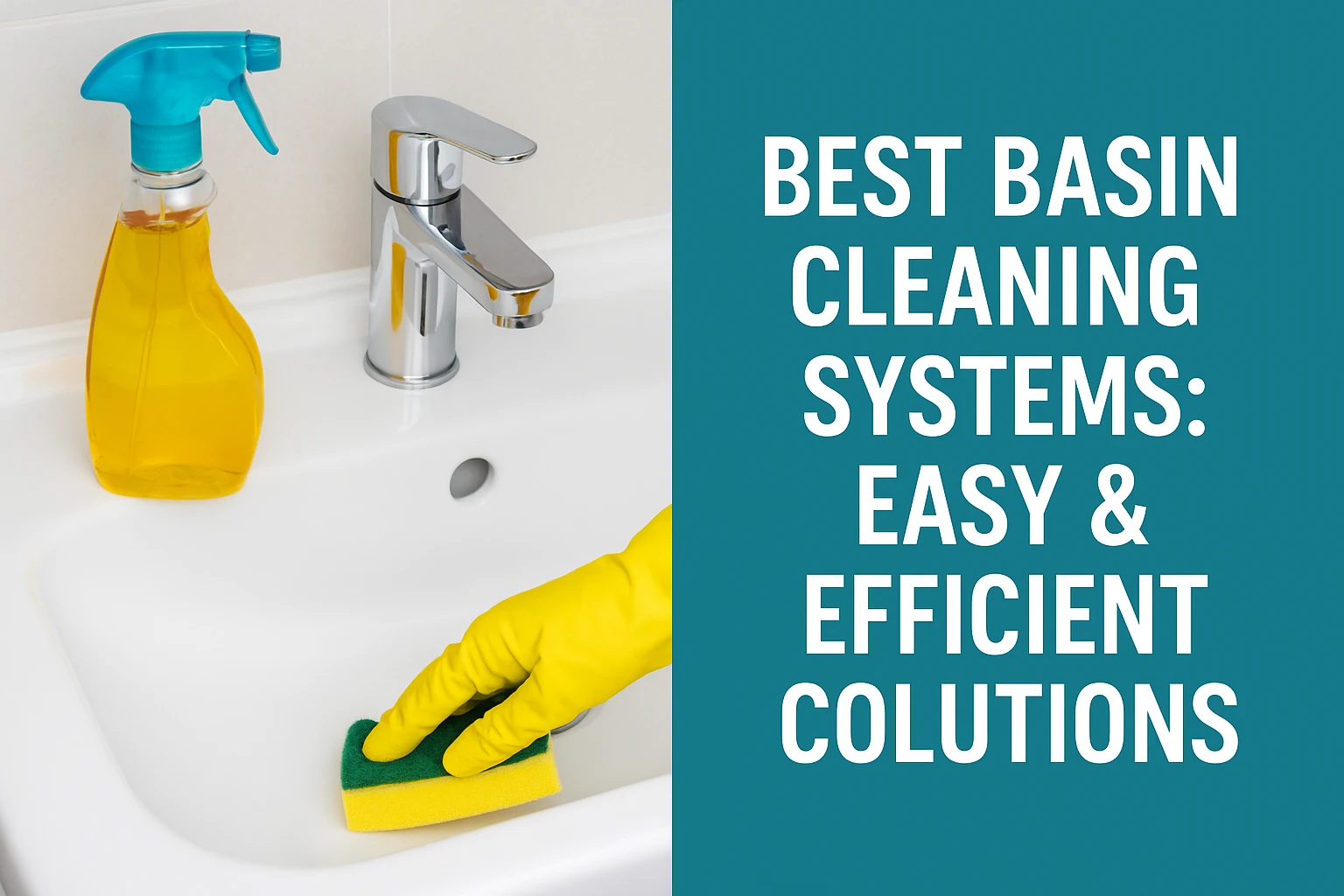



Keep your sink clean and fresh with these simple tips: use a mixture of baking soda and vinegar to unclog drains, regularly wipe down the sink with a mild detergent, and avoid pouring grease or oil down the drain. A clean sink not only looks better but also prevents odors and keeps your kitchen hygienic.
By following these easy cleaning tips, you can maintain a sparkling sink that will make your daily chores a breeze. Having a clean and well-maintained sink is essential for any kitchen. Regular maintenance not only enhances the appearance of your sink but also prevents the buildup of dirt, grime, and bacteria.
In this blog post, we will share some effective sink cleaning tips that are easy to implement and will keep your sink looking fresh and spotless. From unclogging drains to preventing stains, we’ve got you covered. So, let’s dive in and discover the secrets to a clean and shiny sink!
Credit: www.worldcoppersmith.com
The Importance Of A Clean Sink
Health Benefits
A clean sink contributes to a healthier home environment by preventing the buildup of harmful bacteria and germs. Regular cleaning of your sink helps in reducing the risk of food contamination and the spread of illnesses, promoting overall well-being.
Aesthetic Appeal
A clean sink enhances the visual appeal of your kitchen or bathroom, creating a pleasant and inviting atmosphere. It also prevents unsightly stains and odors, maintaining the overall cleanliness and attractiveness of the space.
Credit: www.worldcoppersmith.com
Identifying Common Sink Stains
Keeping your sink clean and stain-free is essential for maintaining a hygienic and visually appealing kitchen. However, over time, sinks can develop various types of stains due to different causes. Identifying these common sink stains is the first step towards effectively removing them. In this article, we will discuss the types of stains commonly found in sinks and the underlying causes behind them.
Types Of Stains
Stains in the sink can come in different forms, each requiring a specific approach for effective cleaning. Here are some common types of sink stains:
- Mineral Stains: These stains are caused by minerals present in hard water, such as calcium and magnesium. They often appear as white or grayish deposits on the sink surface.
- Food and Beverage Stains: Coffee, tea, red wine, and other colored liquids can leave stubborn stains on the sink. These stains are usually brown or dark in color.
- Rust Stains: If you have metal utensils or containers that come into contact with the sink surface, they can leave rust stains behind. These stains are typically orange or reddish-brown in color.
- Soap Scum: Soap residue can accumulate over time, creating a layer of scum on the sink surface. This scum can appear white or off-white and may be difficult to remove.
Causes Behind Stains
Understanding the causes behind sink stains can help you prevent their occurrence and take appropriate measures to keep your sink clean. Here are some common causes behind sink stains:
- Hard Water: If your water has a high mineral content, it can lead to mineral stains on the sink surface.
- Spills and Splatters: Accidental spills of coffee, wine, or food particles can cause stains if not promptly cleaned.
- Poor Maintenance: Neglecting regular sink cleaning and maintenance can lead to the buildup of stains over time.
- Low-Quality Cleaning Products: Using harsh or ineffective cleaning products can contribute to the formation of stains.
- Metal Contact: Metal utensils, pots, or pans can leave rust stains on the sink surface if left in contact for an extended period.
By understanding the types of stains commonly found in sinks and their underlying causes, you can take appropriate steps to prevent and remove them effectively. In the next section, we will explore some useful sink cleaning tips to help you maintain a spotless sink.
Daily Sink Cleaning Habits
When it comes to maintaining a sparkling clean kitchen, daily sink cleaning habits are essential. By incorporating a few simple practices into your daily routine, you can ensure that your sink remains free from grime, bacteria, and foul odors.
Quick Wipe-down Techniques
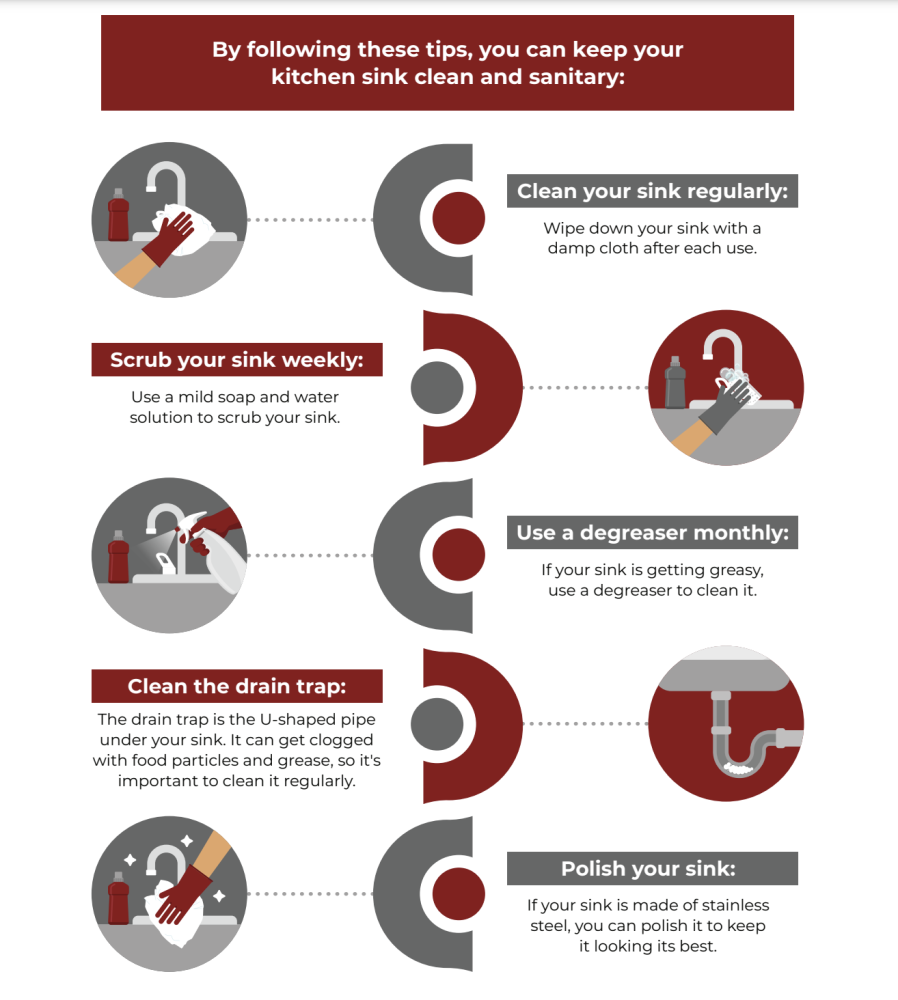
One of the quickest ways to keep your sink clean is by wiping it down after each use. Use a mild dish soap and a sponge or cloth to quickly remove any food particles, stains, or water spots. This habit will prevent the buildup of grime and maintain the shine of your sink.
Preventive Measures
To prevent stubborn stains and odors, make a habit of flushing the sink with hot water after each use. This will help clear away any residual food particles and keep the drain clear. Additionally, avoid leaving dirty dishes in the sink for extended periods. Rinse and place them in the dishwasher or wash them promptly to prevent accumulation of grime and bacteria.

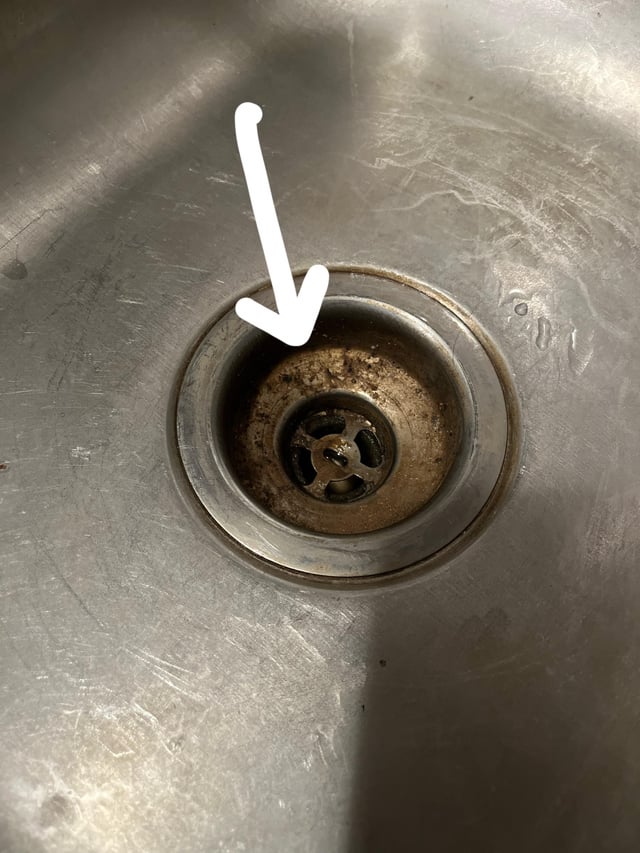
Credit: www.reddit.com
Deep Cleaning Your Sink
Keeping your sink clean is an essential part of maintaining good hygiene in your kitchen. While regular cleaning is necessary, sometimes you need to deep clean your sink to get rid of stubborn stains and built-up grime. Here are some tips to help you deep clean your sink.
Choosing The Right Cleaning Agents
The first step to deep cleaning your sink is choosing the right cleaning agents. You should avoid using abrasive cleaners or scouring pads as they can scratch the surface of your sink. Instead, opt for gentle cleaners like baking soda, white vinegar, and dish soap. These cleaners are effective in removing stains and grime without damaging your sink.
Step-by-step Guide
Here is a step-by-step guide to help you deep clean your sink:
- Remove any dishes or debris from the sink and rinse it with hot water.
- Sprinkle baking soda or a few drops of dish soap on the surface of the sink.
- Scrub the sink gently with a soft sponge or brush, paying special attention to the areas around the drain and faucet.
- Rinse the sink with hot water and dry it with a clean cloth or paper towel.
- If you still see stains or grime, mix equal parts of white vinegar and water in a spray bottle and spray it on the sink.
- Let the solution sit for 5-10 minutes and then scrub the sink again with a soft sponge or brush.
- Rinse the sink with hot water and dry it with a clean cloth or paper towel.
Following these steps will help you deep clean your sink and keep it looking new.
Natural Cleaning Solutions
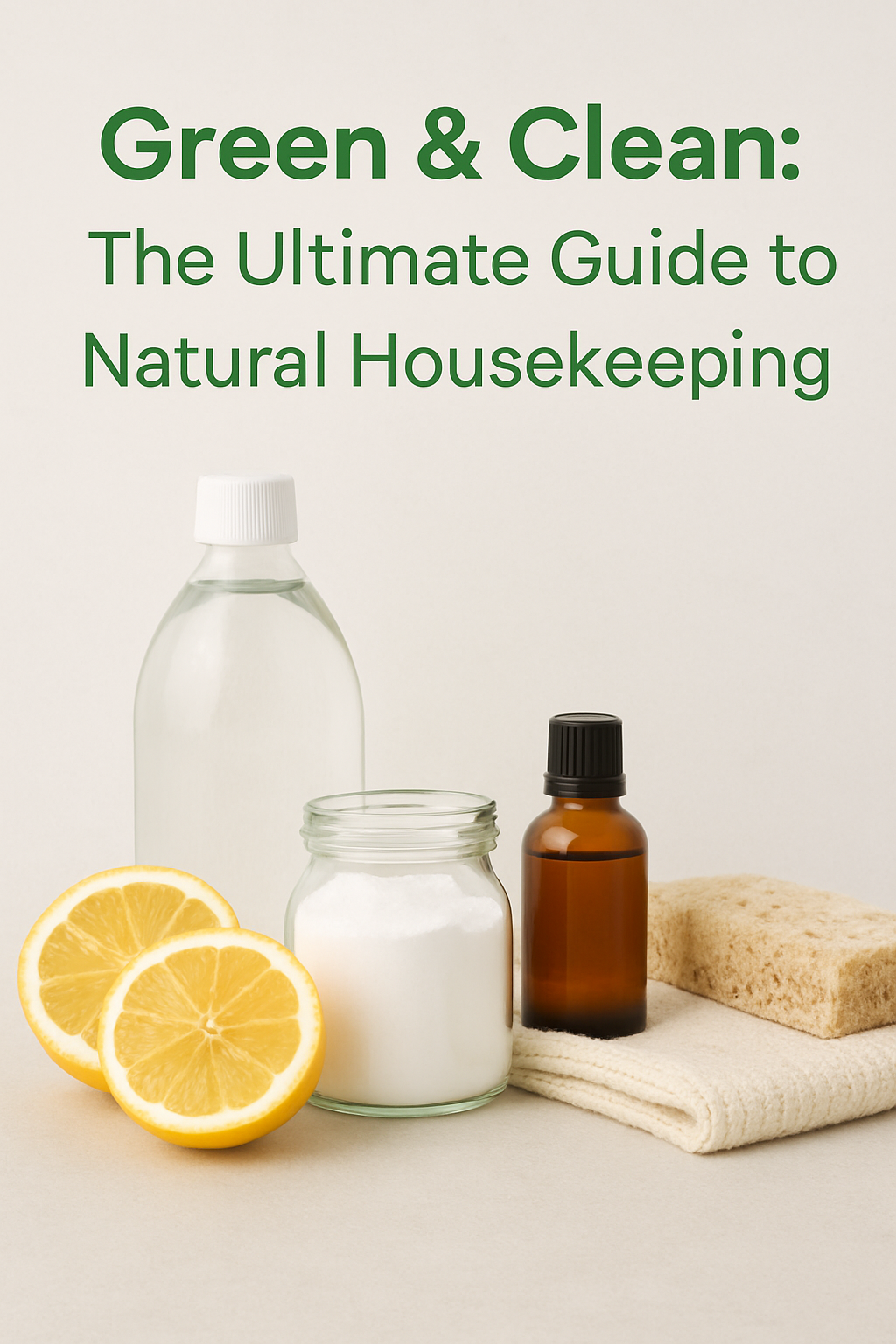
Natural Cleaning Solutions: Cleaning your sink is an important task that can be accomplished using natural cleaning solutions. These solutions are not only effective in removing dirt and grime but are also safe for the environment. In this article, we will discuss two of the most effective natural cleaning solutions for your sink – vinegar and baking soda magic and lemon and salt scrub.
Vinegar And Baking Soda Magic:
One of the most effective natural cleaning solutions for your sink is a combination of vinegar and baking soda. These two ingredients work together to create a powerful cleaning agent that can remove even the toughest stains.
| Steps to use vinegar and baking soda magic: |
|---|
| 1. Pour 1 cup of baking soda down the drain. |
| 2. Pour 1 cup of vinegar down the drain. |
| 3. Let the mixture sit for 10-15 minutes. |
| 4. Rinse the sink with hot water. |
Lemon And Salt Scrub:
Lemon and salt scrub is another natural cleaning solution that can effectively clean your sink. This solution not only removes dirt and grime but also leaves your sink smelling fresh and clean.
- Cut a lemon in half and sprinkle salt on the cut side.
- Rub the lemon on the surface of the sink, focusing on the stained areas.
- Let the solution sit for a few minutes.
- Rinse the sink with hot water.
Using these natural cleaning solutions regularly can help keep your sink looking clean and fresh. So, the next time you need to clean your sink, try these natural solutions instead of harsh chemicals.
Tackling Tough Stains And Rust
Get rid of tough stains and rust on your sink with these effective cleaning tips. Discover simple yet powerful methods to restore your sink’s shine and keep it looking pristine. Say goodbye to stubborn stains and hello to a sparkling clean sink.
Tackling Tough Stains and Rust is a common challenge faced by anyone who wants to keep their sink clean and hygienic. While regular cleaning helps in keeping the sink looking good, tough stains and rust require special attention. In this section, we will explore some Effective Products and DIY Remedies to tackle tough stains and rust in your sink.Effective Products
When it comes to cleaning tough stains and rust, using effective cleaning products can make all the difference. Here are some of the most effective products that you can use:| Product | Description |
|---|---|
| Baking Soda | Baking soda is a natural abrasive that can help remove tough stains and rust from your sink. |
| Vinegar | Vinegar is a natural acid that can help dissolve tough stains and rust in your sink. |
| Lemon Juice | Lemon juice is a natural acid that can help dissolve tough stains and rust in your sink. |
| Oxalic Acid | Oxalic acid is a powerful cleaning agent that can help remove tough stains and rust from your sink. |
Diy Remedies
If you prefer to use natural remedies to clean your sink, there are several DIY remedies that you can try. Here are some of the most effective DIY remedies:- Mix baking soda and water to form a paste. Apply the paste to the tough stains and rust in your sink and let it sit for 15-20 minutes. Scrub the sink with a brush and rinse thoroughly with water.
- Mix equal parts of vinegar and water in a spray bottle. Spray the solution on the tough stains and rust in your sink and let it sit for 15-20 minutes. Scrub the sink with a brush and rinse thoroughly with water.
- Cut a lemon in half and rub it on the tough stains and rust in your sink. Let it sit for 15-20 minutes and then rinse thoroughly with water.
- Mix oxalic acid and water according to the manufacturer’s instructions. Apply the solution to the tough stains and rust in your sink and let it sit for 15-20 minutes. Scrub the sink with a brush and rinse thoroughly with water.
Maintaining Sink Shine
To maintain the shine of your sink, start by wiping it down with a mixture of water and mild dish soap. Use a soft cloth or sponge to gently scrub the surface, and then rinse with clean water. For extra shine, buff the sink with a microfiber cloth and a few drops of olive oil.
Regular cleaning will keep your sink sparkling and free from stains.
Maintaining Sink Shine is essential to keep your sink looking brand new and hygienic. Regular cleaning and polishing can help you achieve this. Here are some Polishing Techniques that you can use to give your sink a shiny finish.Polishing Techniques
- Use a soft cloth and a mixture of baking soda and water to gently scrub the sink. Rinse with water and dry with a clean cloth.
- Apply a small amount of baby oil on a soft cloth and rub it on the sink. This will give your sink a shiny finish.
- You can also use vinegar and water to clean and polish your sink. Mix equal parts of vinegar and water in a spray bottle and spray it on your sink. Scrub with a soft cloth and rinse with water.
Protective Measures
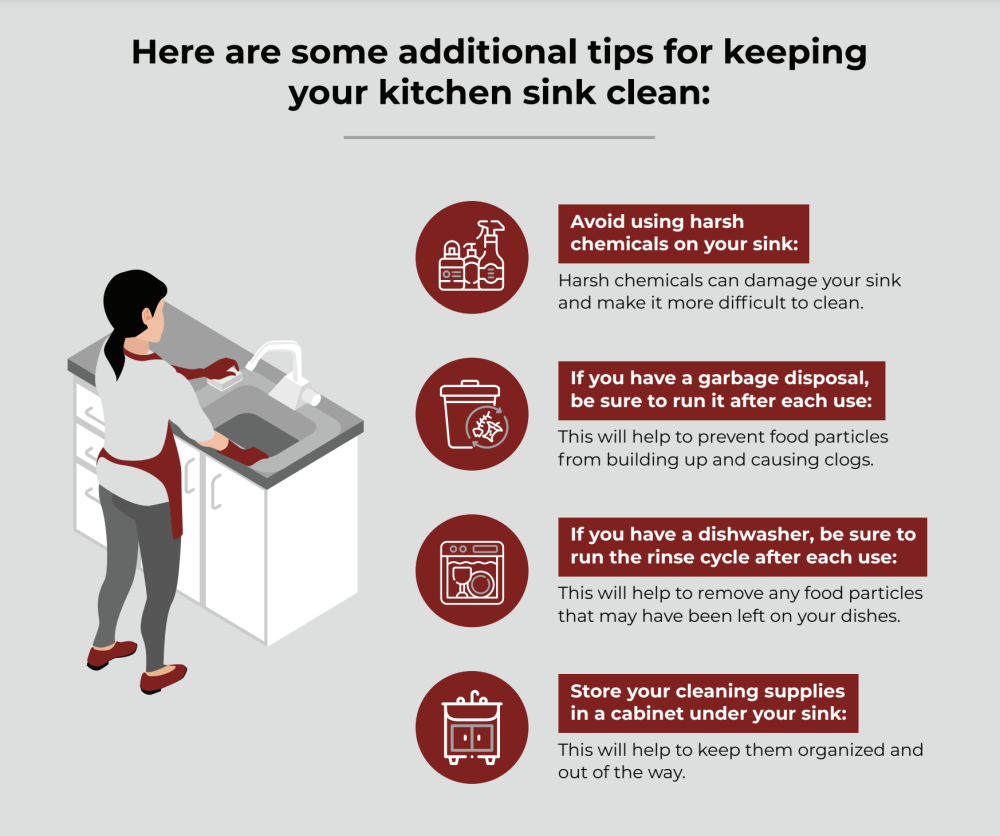
- Avoid leaving harsh chemicals or acidic foods on your sink for an extended period of time.
- Use a sink mat or a protective grid to prevent scratches and dents.
- Regularly clean your sink to prevent buildup of dirt and grime.
- Do not use abrasive sponges or scrubbers to clean your sink.
Professional Help For Stubborn Cases
When To Call A Professional
Knowing when to seek professional help for sink cleaning can save you time and effort. If you’ve tried all the DIY methods and the stubborn stains or clogs persist, it’s time to call in the experts. Professional intervention is essential when dealing with persistent blockages, strong odors, or damage to the sink and drainage system.
Finding Reliable Services
When searching for professional sink cleaning services, it’s crucial to find reliable and experienced professionals. Look for companies with a proven track record, positive customer reviews, and transparent pricing. Ask for recommendations from friends or family, and ensure the service provider is licensed and insured. Request a detailed estimate and inquire about the specific cleaning methods and products they use to ensure they align with your needs.
Frequently Asked Questions
What Are The Best Ways To Clean A Sink?
To clean a sink, use a mixture of baking soda and vinegar, scrub with a sponge, and rinse with hot water. For tough stains, make a paste with baking soda and water, apply, let sit, then scrub and rinse. Finally, wipe the sink dry to prevent water spots.
What Do You Pour Down A Sink To Clean It?
To clean a sink, you can pour a mixture of baking soda and vinegar down the drain. Let it sit for a few minutes, then flush it with hot water. This natural solution helps to remove grease, odors, and buildup.
How Do You Clean And Deodorize A Sink?
To clean and deodorize a sink, start by rinsing it with hot water. Next, scrub the sink using a mixture of dish soap and warm water. Don’t forget to clean the drain and faucet as well. Rinse thoroughly and wipe the sink dry.
For deodorizing, sprinkle baking soda in the sink and let it sit for a few minutes before rinsing again.
How To Clean A Badly Stained Sink?
To clean a badly stained sink, start by scrubbing the surface with a mixture of baking soda and water. Rinse thoroughly with warm water. For tougher stains, use a paste made from equal parts vinegar and baking soda. Scrub gently and rinse again.
Repeat if necessary.
Conclusion
Maintaining a clean and clog-free sink is essential for a hygienic and functional kitchen or bathroom. By following these sink cleaning tips, you can easily remove stains, prevent odors, and keep your sink looking pristine. Remember to regularly clean your sink, use natural cleaning solutions, and avoid harsh chemicals that can damage the surface.
With these simple steps, you can ensure that your sink remains a clean and inviting space for all your daily activities.