
Use saline sprays or solutions and a soft tissue to clean nostrils gently. Avoid inserting objects into your nose.
Keeping your nostrils clean is essential for maintaining good nasal hygiene and preventing infections. Regular cleaning helps remove dust, allergens, and mucus, allowing you to breathe better. Saline sprays or solutions are effective and safe for this purpose. These products help moisten the nasal passages and loosen any debris.
Using a soft tissue to wipe the nostrils ensures you don’t irritate the sensitive skin inside your nose. Avoid inserting cotton swabs or other objects as they can cause injury. By following these simple tips, you can maintain a healthy nasal environment and improve your overall well-being.
Importance Of Nostril Cleaning
Keeping your nostrils clean is very important. Clean nostrils help you breathe better. They also keep germs away. This simple habit can make a big difference. In this section, we will discuss why nostril cleaning is important.
Daily Hygiene Benefits
Cleaning your nostrils daily has many benefits. Here are some:
- Removes dust and dirt from your nose.
- Prevents bad smells from building up.
- Makes breathing easier by clearing nasal passages.
- Reduces mucus buildup.
These benefits help you stay fresh and clean. Clean nostrils mean a cleaner you.
Health Implications
Dirty nostrils can cause health problems. Here are some health issues:
| Health Issue | Description |
|---|---|
| Allergies | Dust and pollen can cause sneezing and itchiness. |
| Infections | Bacteria can grow in dirty nostrils. |
| Sinus Problems | Clogged nostrils can lead to sinus pain. |
Keeping your nostrils clean can prevent these problems. This simple step keeps you healthier.

Credit: www.reddit.com
Common Methods
Keeping your nostrils clean is important for respiratory health. Various methods can help you achieve this. Below are some common methods for nostril cleaning.
Nasal Irrigation
Nasal irrigation involves flushing out nasal passages. This helps remove mucus and debris.
- Use a neti pot or a squeeze bottle.
- Fill it with saline solution or warm distilled water.
- Tilt your head over a sink.
- Pour the solution into one nostril.
- Let it drain out the other nostril.
Repeat the process for the other nostril. This method is effective for sinus congestion and allergies.
Saline Sprays
Saline sprays are easy to use and available over the counter.
- They come in small bottles.
- They contain saltwater solutions.
- Insert the nozzle into one nostril.
- Spray while inhaling gently.
- Repeat for the other nostril.
Saline sprays help to moisten and clean the nasal passages. They are ideal for daily use.
Natural Techniques
Cleaning nostrils naturally can help maintain healthy nasal passages. Using natural techniques can be gentle and effective. Here, we explore two popular methods: Steam Inhalation and Essential Oils.
Steam Inhalation
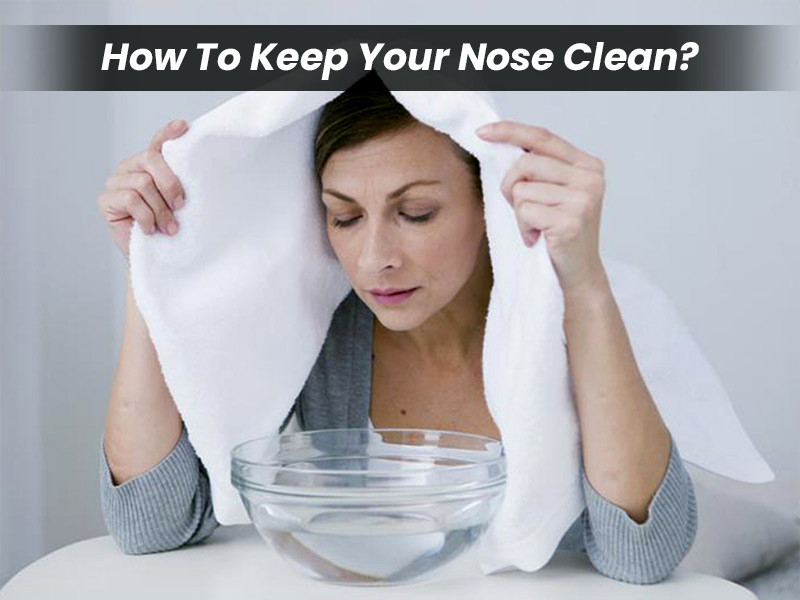
Steam inhalation is a simple and effective way to clean nostrils. Follow these steps:
- Boil water and pour it into a bowl.
- Place your face over the bowl.
- Cover your head with a towel to trap the steam.
- Inhale deeply for 5-10 minutes.
The steam helps loosen mucus and clear nasal passages. This method is safe for most people. It’s especially useful during cold seasons.
Essential Oils
Essential oils can enhance the benefits of steam inhalation. Some effective oils include:
- Eucalyptus Oil: Known for its decongestant properties.
- Peppermint Oil: Helps open nasal passages.
- Tea Tree Oil: Has antibacterial properties.
To use essential oils:
- Add a few drops of oil to boiling water.
- Inhale the steam as described above.
Be cautious with essential oils. Some people may be sensitive to them. Always start with a small amount.
Using natural techniques like steam inhalation and essential oils can help maintain healthy nostrils. These methods are safe and effective for most people.
Using Nasal Devices
Keeping your nostrils clean is essential for good health. Nasal devices can help. They clear out mucus and allergens. Let’s explore two popular options: Neti Pots and Nasal Aspirators.
Neti Pots
A Neti Pot is a small teapot-like device. It helps rinse your nasal passages. This process is called nasal irrigation. Here’s how to use it:
- Fill the pot with warm, distilled water.
- Add a pinch of salt to the water.
- Lean over a sink and tilt your head sideways.
- Insert the spout into the upper nostril.
- Pour the solution into your nostril.
- The water will flow out of the other nostril.
- Repeat on the other side.
Neti Pots can help with sinus congestion and allergies. Always use clean water and clean the pot after use.
Nasal Aspirators
Nasal aspirators are handy, especially for babies. They remove mucus from the nose. Here are different types of nasal aspirators:
| Type | How to Use |
|---|---|
| Bulb Syringe | Squeeze the bulb, insert tip in the nostril, release bulb. |
| Electric Aspirator | Turn on the device, gently insert tip, and let it suction. |
| Manual Aspirator | Use your mouth to create suction through a tube. |
Nasal aspirators are effective for instant relief. They are easy to use and clean. Choose a type that suits your needs.
Safety Tips
Cleaning your nostrils is important. It helps keep you healthy. But, you must do it safely. Here are some safety tips to follow.
Proper Water Use
Use clean, distilled water. Tap water may have germs. These germs can cause infections. Warm the water a little. Cold water may feel uncomfortable. Hot water can burn you.
- Clean water is safe to use.
- Warm water feels better in your nose.
- Hot water can hurt you.
Avoiding Over-cleaning
Do not clean your nostrils too often. Over-cleaning can dry out your nose. Dry nostrils can bleed easily. Clean your nostrils once a day or less.
| Frequency | Risk |
|---|---|
| Once a day | Safe |
| More than once a day | Can dry nostrils |
| Less than once a day | Safe |
Listen to your body. Stop if your nose feels sore. Always be gentle with your nose.
When To Seek Medical Advice
Keeping your nostrils clean is essential for good health. But sometimes, cleaning isn’t enough. Knowing when to seek medical advice can prevent serious issues.
Persistent Congestion
If you have persistent congestion that doesn’t go away, seek medical advice. Congestion that lasts over two weeks may signal a problem. You might feel like your nose is always blocked. This could make it hard to breathe or sleep well. A doctor can find the cause and help you feel better.
Signs Of Infection
Recognizing the signs of infection early can prevent complications. Watch for these symptoms:
- Thick, yellow or green mucus
- Facial pain or pressure
- Fever above 100.4°F (38°C)
- Bad breath or a foul smell
If you notice these signs, visit a doctor. They can prescribe medicine or other treatments.
Children And Nostril Cleaning
Keeping a child’s nostrils clean is important for their health. Blocked nostrils can cause discomfort and breathing issues. Proper nostril cleaning helps prevent infections and ensures easy breathing.
Age-appropriate Methods
Different ages require different nostril cleaning methods. Here are some age-appropriate methods:
| Age Group | Method |
|---|---|
| 0-2 years | Use a nasal aspirator or saline drops. |
| 2-5 years | Use saline spray and teach gentle nose blowing. |
| 5+ years | Encourage proper nose blowing and use saline rinse if needed. |
Parental Guidance
Parents should guide children in cleaning their nostrils. Here are some tips:
- Demonstrate how to blow the nose gently.
- Supervise younger children to ensure they don’t hurt themselves.
- Use saline drops or sprays for easy cleaning.
- Teach children to wash their hands before and after cleaning.
Parental guidance ensures children clean their nostrils safely. Regular nostril cleaning promotes better health and comfort.

Credit: www.healthline.com
Lifestyle And Environmental Factors
Keeping your nostrils clean is essential for good health. Your lifestyle and environment play a huge role. Learn how air quality, diet, and hydration affect nostril cleanliness.
Air Quality
Air quality greatly affects your nasal health. Poor air can irritate your nostrils. Use air purifiers at home to keep the air clean. Avoid areas with heavy pollution. Smoke from cigarettes also harms nostrils. Stay in smoke-free environments.
Consider using nasal sprays. They help to flush out irritants. Saline sprays are especially good. They are gentle and effective.
| Air Quality Tips | Benefits |
|---|---|
| Use Air Purifiers | Reduces indoor pollutants |
| Avoid Polluted Areas | Less irritant exposure |
| Stay Smoke-Free | Healthier nostrils |
| Use Saline Sprays | Flushes out irritants |
Diet And Hydration
Diet and hydration are also key. Drink plenty of water. Hydration keeps nasal passages moist. Dry nostrils can cause discomfort. Eat a balanced diet rich in vitamins.
Foods rich in Vitamin C boost your immune system. This helps your nostrils stay healthy. Consider these foods:
- Oranges
- Strawberries
- Broccoli
Spicy foods can help clear nasal passages. They act as natural decongestants. Examples include:
- Chili peppers
- Ginger
- Garlic
Avoid excessive dairy. It can thicken mucus, making nostril cleaning harder.
Credit: www.onlymyhealth.com
Frequently Asked Questions
How Often Should I Clean My Nostrils?
You should clean your nostrils daily for optimal hygiene. Regular cleaning prevents dust and mucus buildup. Use saline solutions or a neti pot for best results.
What Is The Best Way To Clean Nostrils?
The best method is using a saline rinse or neti pot. These methods effectively remove debris and mucus, ensuring clear nasal passages and better breathing.
Can Nostril Cleaning Prevent Infections?
Yes, regular nostril cleaning can prevent infections. It removes harmful bacteria and allergens, reducing the risk of sinus infections and other respiratory issues.
Is It Safe To Use Cotton Swabs For Nostril Cleaning?
No, using cotton swabs can be harmful. They may push debris further into the nasal cavity and cause irritation or injury.
Conclusion
Keeping your nostrils clean promotes better breathing and overall health. Use gentle methods like saline solutions and soft tissues. Regular cleaning helps prevent infections and discomfort. Incorporate these tips into your daily routine for a healthier nose. Remember, a clean nose is a happy nose!