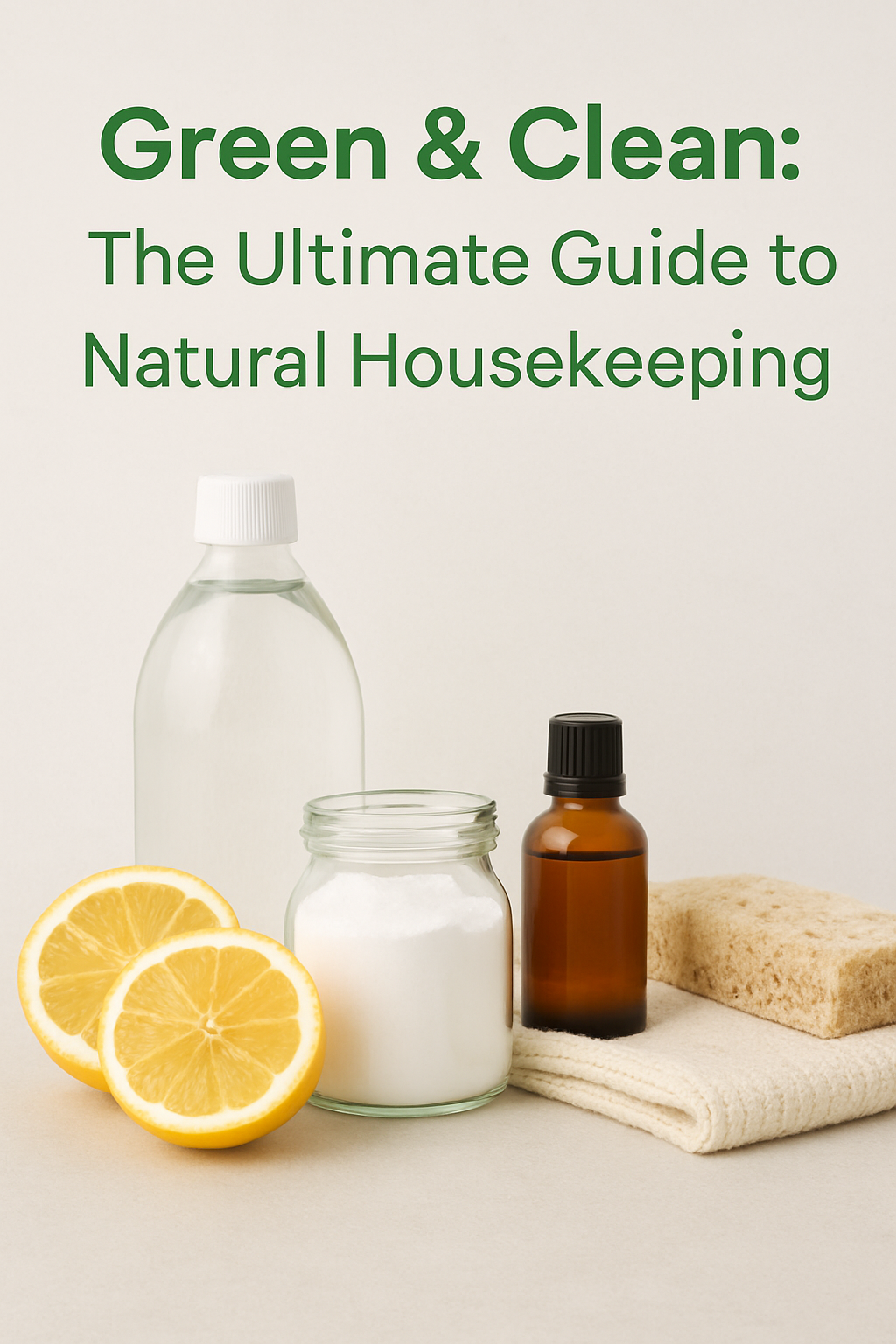


A knife cleaner solution is essential for maintaining sharp and rust-free blades. Vinegar and baking soda create an effective homemade option.
Keeping your knives in top condition is crucial, whether you’re a culinary professional or an enthusiastic home cook. A clean, sharp knife not only makes prep work easier and more efficient but also ensures safety in the kitchen. Over time, knives can become dull and accumulate rust and grime, affecting their performance and longevity.
Using a knife cleaner solution helps in preserving the sharpness of the blade and prevents the buildup of harmful substances. It’s an easy and cost-effective step in your kitchen routine that can make a significant difference in the quality of your cooking and the lifespan of your knives. By choosing the right cleaning solution and regularly caring for your knives, you can enhance your culinary experience and maintain your tools in pristine condition.
Introduction To Knife Cleaner Solutions
Exploring the best knife cleaner solutions is essential for maintaining your cutlery’s sharpness and shine. These products ensure your knives remain in top condition, preventing rust and dullness.
Kitchen hygiene is pivotal. A key aspect is clean cutlery. Knife cleaner solutions ensure effective cleansing. These solutions remove tough stains and food particles. They also sanitize the blade, preparing it for the next use. Let’s delve into why clean knives are essential and the benefits of using specialized cleaning solutions.
The Need For Clean Knives
- Prevents cross-contamination: Ensures germs don’t spread.
- Enhances safety: Clean knives are less slippery.
- Maintains sharpness: Dirt and grime can dull blades.
Benefits Of Using Specialized Solutions
Specialized knife cleaner solutions offer multiple advantages:
- Targeted cleaning: They dissolve stubborn residues.
- Protects metal: Solutions prevent rust and corrosion.
- Extends lifespan: Regular use keeps knives in top shape.
Types Of Knife Cleaners
Keeping knives clean is crucial for longevity and hygiene. Various knife cleaners suit different needs and preferences. Explore the types of knife cleaners available.
Chemical Solutions
Chemical solutions are powerful against stubborn stains. Many brands offer specialized formulas. These often contain antibacterial properties. They can quickly sanitize and clean knives with ease. Use gloves to protect your hands during use.
Natural Alternatives
- Vinegar: A natural disinfectant, effective against bacteria.
- Baking soda: Gently scrubs away tough grime.
- Lemon juice: Ideal for rust spots and freshening up.
These ingredients are safe and eco-friendly. They are gentle on the knives and user’s health.
Diy Mixes
Create your own cleaning solutions at home. Combine natural ingredients for a custom cleaner. Here’s a simple recipe:
- Mix equal parts water and vinegar.
- Add a spoonful of baking soda.
- Squeeze in lemon juice for extra cleaning power.
This mix is non-toxic and safe for most knife materials. It’s also cost-effective.
Key Ingredients In Effective Knife Cleaners
Key ingredients ensure knives stay sharp, clean, and durable. Let’s explore what goes into effective knife cleaners. These components work together to remove grime and protect the blade.
Natural Acids
Natural acids play a crucial role in knife cleaners. Citric acid from lemons and acetic acid in vinegar are powerful examples. They cut through grease and leave a spotless finish. Here’s why they are important:
- Break down food residues
- Remove rust spots
- Safe for the environment
Disinfectants
Disinfectants kill germs and bacteria on knives. Common disinfectants include isopropyl alcohol and bleach solutions. They are vital for kitchen hygiene. Below are their key functions:
- Sanitize knife surfaces
- Prevent cross-contamination
- Ensure food safety
Abrasives
Abrasives like baking soda or mild scouring powders gently scrub knives. They help maintain the blade’s edge. They are essential for removing stubborn stains. Benefits include:
| Abrasives | Benefits |
|---|---|
| Baking Soda | Polishes and cleans |
| Scouring Powders | Removes tough stains |

Credit: www.smart-cleaning-solutions.com
Step-by-step Guide To Cleaning Your Knives
Keeping knives clean is key to kitchen safety and efficiency.
Follow this easy guide to keep blades in top condition.
Preparation
Gather your knives, cleaner, and safety gloves.
- Lay out a soft cloth on a flat surface.
- Wear gloves to protect your hands.
- Ensure good ventilation in the cleaning area.
Application
Apply the cleaner with care.
- Coat each knife with a thin cleaner layer.
- Use a soft brush for stubborn stains.
- Let sit for the time specified on the cleaner bottle.
Rinsing And Drying
Rinse thoroughly and dry immediately.
| Step | Action |
|---|---|
| 1 | Hold the knife under warm water. |
| 2 | Wash off all the cleaner solution. |
| 3 | Pat dry with a towel right away. |
| 4 | Store in a safe place after drying. |
Safety Considerations When Using Knife Cleaners
Cleaning knives is crucial for hygiene and performance. Yet, safety is key. Knife cleaners involve chemicals and sharp edges. This section guides you through safe practices.
Proper Handling
Read the instructions before using any knife cleaner. Ensure you understand the process. Never rush. Take your time. Handle knives with care to prevent accidents. Use non-slip mats to keep knives stable.
Storage Tips
Store knife cleaners in a cool, dry place. Keep away from children and pets. Lock cabinets if possible. Make sure the cleaner’s cap is secure after each use. This prevents spills and keeps the product fresh.
When To Use Gloves
- Use gloves when handling strong cleaners.
- Choose the right glove size for a firm grip.
- Wear gloves to protect skin from harsh chemicals.
Comparing Commercial And Homemade Knife Cleaners
Knives are essential tools in any kitchen. They need proper care to maintain their sharpness and hygiene. Choosing the right knife cleaner is crucial. We will compare commercial and homemade knife cleaners. Key factors include cost-effectiveness, efficiency, and environmental impact.
Cost-effectiveness
When it comes to cost, homemade knife cleaners often win. You can make them using household items. Commercial cleaners come at a higher price. Yet, they last longer and are more concentrated.
Efficiency
Efficiency means how well a product cleans. Commercial cleaners are designed for optimal cleaning. Homemade solutions may require more effort. They might not remove stubborn stains as commercial ones do.
Environmental Impact
Homemade cleaners are often eco-friendly. They use natural ingredients. Commercial cleaners can contain chemicals. These chemicals may harm the environment.
| Aspect | Homemade Cleaner | Commercial Cleaner |
|---|---|---|
| Initial Cost | Lower | Higher |
| Efficiency | Varies | Consistent |
| Environmental Friendly | Yes | No |
Maintenance Tips For Longer Lasting Knives
Knives are essential tools in any kitchen. To keep them in top condition, proper care is crucial. Follow these tips to ensure your knives stay sharp and durable.
Regular Cleaning
Clean knives after every use to prevent food residue build-up. Use a knife cleaner solution to remove stubborn stains.
- Rinse with warm water
- Apply cleaner and scrub gently
- Rinse again and dry immediately
Avoid dishwashers as they can dull knife edges. Hand washing preserves sharpness.
Proper Storage
Storing knives correctly prevents damage. Use a knife block or magnetic strip.
- Each knife should have its own slot
- Ensure knives are dry before storage
- Avoid loose storage in drawers
Proper storage keeps knives sharp and ready for use.
Sharpening Techniques
Sharp knives are safer and more effective. Sharpen knives regularly using correct techniques.
- Choose the right sharpener
- Follow the angle guide
- Use gentle pressure
Consistent sharpening maintains the knife’s edge.
Remember, well-maintained knives enhance cooking and last longer.

Credit: bladeops.com
Troubleshooting Common Knife Cleaning Issues
Keeping knives clean ensures longevity and top performance. But sometimes, cleaning can be tricky. This guide tackles common knife cleaning problems so that anyone can achieve pristine blades with ease.
Stains And Rust
Stains and rust can mar a knife’s surface. Here’s how to handle them:
- Use a vinegar soak for mild rust.
- For tougher stains, apply a baking soda paste and scrub gently.
- Always dry knives thoroughly to prevent future rust.
Dull Blades
Dull blades make cutting tough and unsafe. Sharpen them regularly:
- Start with a whetstone for basic sharpening.
- Use honing steel to align the edge before each use.
- Consider a professional sharpening service for best results.
Handling Stubborn Grime
Sometimes, grime won’t budge. Here are steps to tackle it:
| Step | Action |
|---|---|
| 1 | Soak in warm, soapy water. |
| 2 | Use a soft-bristled brush to scrub. |
| 3 | Rinse and dry immediately. |

Credit: www.amazon.com
Frequently Asked Questions
What Is The Best Thing To Clean Knives With?
The best way to clean knives is by using mild dish soap and warm water, then drying them immediately with a soft cloth.
Is Rubbing Alcohol Good For Cleaning Knives?
Rubbing alcohol is effective for cleaning knives. It disinfects and removes sticky residues without causing damage. Ensure the knife is dry after cleaning to prevent rust.
What Chemicals Must Be Used To Clean Knives?
Use mild dish soap and warm water to clean knives effectively. Avoid harsh chemicals to protect the blade’s integrity. Rinse and dry immediately after washing.
What Does Soaking A Knife In Vinegar Do?
Soaking a knife in vinegar helps remove rust and stains, restoring the blade’s sharpness and shine.
Conclusion
Caring for your knives is crucial, and the right cleaner makes all the difference. Embrace a solution that keeps blades pristine and performance at its peak. Remember, a well-maintained knife is a chef’s best ally in the kitchen. Choose your cleaner wisely for longevity and safety.
Happy slicing!