For effective washing, sort laundry, use the right detergent, follow care labels, and separate colors. Achieving clean clothes is simple with proper washing techniques.
Mastering the art of effective washing is crucial for maintaining clean and fresh-smelling clothes. By understanding the basics of laundry care and following a few key steps, you can ensure that your garments look their best and last longer. From separating whites and colors to choosing the right detergent for specific fabrics, each aspect of the washing process plays a vital role in achieving optimal results.
In this blog post, we will delve into the essential tips and techniques for effective washing that will help you tackle even the toughest laundry challenges with confidence. Let’s explore how you can elevate your laundry game and keep your clothes looking as good as new.
The Science Of Fabric Care
Proper fabric care is essential to maintain the quality and longevity of your clothes, and effective washing plays a vital role. By following the fabric care instructions on the label and using the right detergent and water temperature, you can ensure that your clothes stay clean and fresh for longer.
Taking care of your clothes is an important aspect of maintaining their quality and durability. As simple as it may seem, washing your clothes involves a lot of science. From understanding the fabric types to choosing the right detergent, each step plays a crucial role in ensuring that your clothes remain fresh and vibrant for longer. In this article, we will discuss the science of fabric care and how you can effectively wash your clothes at home.Choosing The Right Detergent
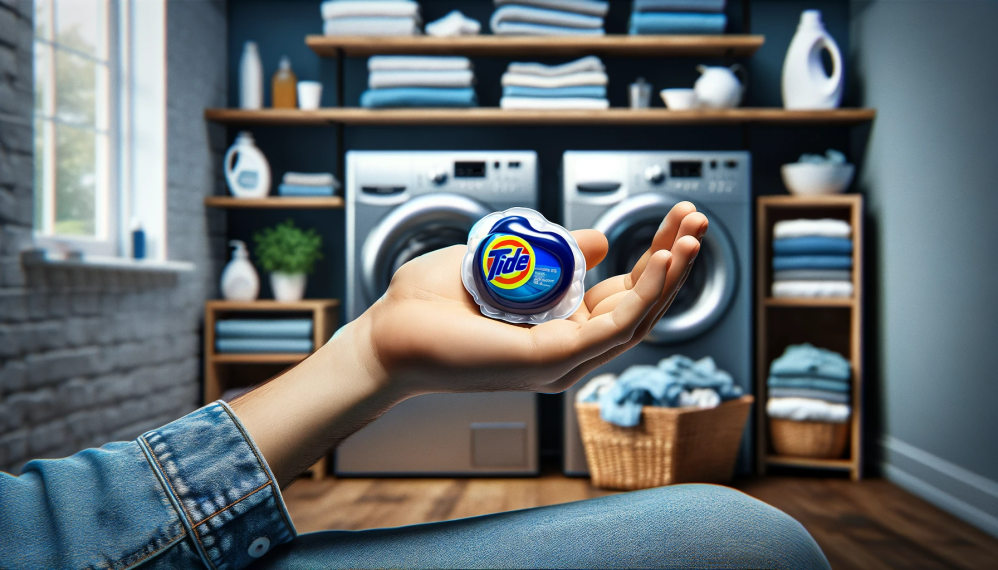
Choosing the right detergent is essential for effective washing. It is important to select a detergent that is suitable for the fabric type and the washing machine. Detergents come in different forms such as powder, liquid, and pods. Powder detergents are best for general cleaning and can be used for both top-loading and front-loading machines. Liquid detergents are ideal for pretreating stains and are suitable for front-loading machines. Pods are convenient and easy to use but may not be suitable for heavily soiled clothes. Always read the label and follow the instructions for the best results.Understanding Water Temperatures
Water temperature plays a crucial role in effective washing. Hot water is suitable for white clothes and heavily soiled garments, as it helps to remove stains and kill bacteria. However, hot water can cause some fabrics to shrink or fade, so it is important to check the care label before washing. Cold water is best for delicate fabrics and dark colors, as it prevents fading and shrinking. Warm water is a good option for most fabrics and colors, as it helps to remove stains without damaging the fabric. In conclusion, effective washing involves understanding the science of fabric care. Choosing the right detergent and water temperature are essential steps in ensuring that your clothes remain clean and fresh for longer. Always read the care label and follow the instructions for the best results. By following these simple steps, you can maintain the quality and durability of your clothes and save money in the long run.
Credit: www.hmark.com
Sorting For Success
Sort your laundry for success by using effective washing techniques. Separate clothes by color, fabric, and level of dirtiness to ensure they are washed properly and avoid damaging your favorite pieces.
Sorting for Success Sorting your laundry is the first step towards effective washing. It may seem like an unnecessary task, but trust us, it makes a huge difference. Sorting your clothes based on color and material can help prevent color bleeding, fabric damage, and shrinkage. In this section, we will discuss two important factors to consider when sorting your laundry: color coordination and material matters. Color Coordination Sorting your laundry by color is important to prevent color bleeding and fading. Grouping together light-colored clothes, dark-colored clothes, and bright-colored clothes can help avoid color transfer during washing. Follow these simple steps to sort your laundry by color: – Separate white clothes from colored clothes. – Group clothes by color intensity – light, dark, and bright. – Check the care labels of your clothes to determine if they require special treatment. Material Matters Sorting clothes by material is equally important as sorting by color. Different materials require different wash cycles and temperatures to prevent damage. Here are some tips to help you sort your laundry based on material: – Group delicate fabrics such as silk, lace, and wool together. – Separate towels and heavy fabrics from lighter fabrics as they can cause damage. – Check the care labels of your clothes to determine the appropriate wash cycle and temperature. Sorting your laundry may take some extra time, but it is worth it. It can help prevent damage to your clothes and ensure they look good for longer. So, take the time to sort your laundry and you will see the difference it makes in the effectiveness of your washing routine.Pre-treatment Protocols
To ensure effective washing, pre-treatment protocols play a crucial role in removing tough stains and improving the overall cleanliness of the fabric. By following specific pre-treatment steps tailored to the type of stain and fabric, the washing process becomes more efficient, resulting in cleaner and fresher clothes.
Stain Identification
Before tackling any laundry stains, it’s essential to identify the type of stain you’re dealing with. Different stains require different treatment methods, so correctly identifying the stain will help you choose the most effective pre-treatment protocol.
Here are some common types of stains you might encounter:
- Food stains
- Grease or oil stains
- Grass or mud stains
- Ink or marker stains
- Blood stains
- Red wine or coffee stains
Diy Stain Removal Solutions
Once you’ve identified the stain, it’s time to take action. Here are some DIY stain removal solutions that can effectively treat various types of stains:
| Stain Type | DIY Solution |
|---|---|
| Food stains | Mix a solution of dish soap and warm water. Apply it to the stain, let it sit for a few minutes, then rinse with cold water. |
| Grease or oil stains | Sprinkle baking soda or cornstarch on the stain to absorb the grease. Let it sit for a few minutes, then brush off the powder before washing as usual. |
| Grass or mud stains | Apply a mixture of hydrogen peroxide and dish soap directly to the stain. Gently rub the fabric together to work in the solution, then wash as usual. |
| Ink or marker stains | Dab the stain with rubbing alcohol or hand sanitizer. Blot the area with a clean cloth until the stain is lifted, then wash the garment as directed. |
| Blood stains | Rinse the stain with cold water to remove as much blood as possible. Apply hydrogen peroxide directly to the stain, let it bubble, then rinse with cold water. |
| Red wine or coffee stains | Blot the stain with a clean cloth to absorb as much liquid as possible. Sprinkle salt or baking soda on the stain, let it sit for a few minutes, then wash the fabric as usual. |
These DIY stain removal solutions are simple yet effective in treating common stains. However, it’s important to remember that results may vary depending on the fabric and the severity of the stain. Always test any solution on a small, inconspicuous area of the garment before applying it to the stain directly.

Credit: www.amazon.com
Machine Mastery
When it comes to effective washing, mastering your washing machine is the key to achieving clean and fresh laundry every time. Understanding how to optimize wash cycles, manage load sizes, and ensure efficiency can make a significant difference in the quality of your results. In this article, we will dive into the realm of machine mastery and explore the best practices for achieving optimal washing machine performance.
Optimizing Wash Cycles
Choosing the right wash cycle for your laundry is crucial in achieving effective cleaning. Each wash cycle is designed to address specific types of fabrics and levels of dirtiness. By selecting the appropriate wash cycle, you can ensure that your clothes are cleaned thoroughly without any damage. Here are some tips to optimize your wash cycles:
- Refer to the manufacturer’s instructions: Familiarize yourself with the different wash cycles available on your washing machine. Manufacturers often provide guidelines on which cycles are suitable for different types of fabrics.
- Consider the level of dirtiness: Adjust the wash cycle based on the level of dirtiness of your clothes. For lightly soiled items, a quick wash cycle might be sufficient. For heavily soiled garments, a longer and more intensive cycle might be necessary.
- Utilize specialized cycles: Many washing machines offer specialized cycles such as delicate, wool, or sports mode. Take advantage of these cycles to ensure proper care for specific types of fabrics.
- Experiment with temperature settings: Different temperatures can affect the effectiveness of the wash cycle. Hot water is ideal for removing tough stains, while cold water is suitable for delicate fabrics or colors that may bleed.
Load Size And Efficiency
The size of your laundry load plays a significant role in the efficiency of your washing machine. Overloading the machine can lead to poor cleaning results and increased wear and tear. Follow these guidelines to optimize load size and efficiency:
- Follow load capacity recommendations: Check your washing machine’s manual to determine the maximum load capacity. Avoid exceeding this limit to ensure proper water circulation and agitation.
- Divide large loads: If you have a substantial amount of laundry, it’s better to divide it into smaller loads. This allows the machine to clean each item thoroughly and prevents excessive strain on the motor and other components.
- Don’t overcrowd the drum: Leave enough space for the clothes to move freely during the wash cycle. Overcrowding can hinder the washing action and result in uneven cleaning.
- Use the right amount of detergent: Avoid using excessive detergent, as it can create excess suds that might not rinse off properly. Follow the recommended dosage instructions for your specific detergent.
By mastering your washing machine and implementing these tips for optimizing wash cycles and load sizes, you can ensure efficient and effective cleaning for your laundry. Remember to always refer to your machine’s manual and adapt the settings based on the specific needs of your clothes. With these practices in place, you can achieve outstanding results with every wash.
Handwashing Techniques
Handwashing techniques are crucial for preserving the quality and longevity of delicate clothing items. By following proper methods, you can ensure that your garments remain clean and undamaged. Let’s explore the essential handwashing techniques that can help you maintain the integrity of your clothes.
Delicates Handling
When washing delicate items such as lace, silk, or lingerie, it’s important to handle them with care. Gently agitate the water and avoid wringing or twisting these fabrics to prevent stretching or damage.
Effective Soaking Methods
An effective soaking method involves allowing the soapy water to penetrate the fabric fibers. Submerge the garments completely and allow them to soak for at least 10-15 minutes to loosen dirt and stains.
Drying And Preservation
After effective washing, it’s crucial to ensure thorough drying and preservation to maintain the quality of the items. Proper drying techniques can prevent mold and mildew, while appropriate preservation methods can prolong the lifespan of the washed items.
Air-drying Vs. Machine Drying
Maintaining Fabric Integrity
Drying and Preservation are crucial steps in effective washing. Air-Drying is gentle on fabrics, preventing shrinkage and damage. Machine Drying, however, is quicker but may cause wrinkling and fading. To maintain fabric integrity, follow specific care instructions. Avoid over-drying to prevent damage. Fold clothes neatly to preserve their shape. Hang delicate items to prevent stretching. Store items in a cool, dry place to avoid mold.Ironing And Folding
Efficiently washing your clothes is just the first step. Ensure a crisp finish by ironing and expertly folding them for a neat and polished look. Save time and effort by incorporating these practices into your laundry routine.
Ironing and Folding are essential steps in maintaining your clothes. Here are some practical techniques to help you achieve wrinkle-free garments and efficient space-saving folding.Wrinkle-free Techniques
To prevent wrinkles, immediately remove clothes from the dryer. Hang them neatly to allow any remaining creases to fall out.Systematic Folding For Space Saving
Fold clothes systematically in a specific order to maximize space in your drawers or wardrobe. Start with the largest items and finish with smaller pieces. Roll delicate fabrics like silk to avoid creases and save space in your luggage. Utilize drawer dividers or storage bins to keep folded clothes organized and easy to access.Storage Solutions
Storage Solutions play a crucial role in maintaining the quality of your clothes. Effective Wardrobe Organization is essential for easy access and neat presentation.
Wardrobe Organization
- Sort clothes by type and season.
- Use clear storage bins for visibility.
- Label shelves and drawers for quick identification.
Preventing Fabric Damage is key to preserving your clothing investment.
Preventing Fabric Damage
- Avoid hanging delicate fabrics.
- Use padded hangers for delicate items.
- Store in a cool, dry place away from sunlight.
Eco-friendly Laundry Practices
When it comes to Effective Washing, implementing Eco-Friendly Laundry Practices is essential for a sustainable lifestyle.
Sustainable Washing
Reduce water and energy consumption by washing clothes in cold water.
- Opt for eco-friendly detergents without harsh chemicals.
- Air dry clothes to save energy and extend garment lifespan.
Natural Fabric Care
Use vinegar as a natural fabric softener and odor remover.
- Lemon juice can brighten whites and remove stains effectively.
- Hemp laundry bags are sustainable alternatives to plastic baskets.
Troubleshooting Common Issues
When it comes to effective washing, troubleshooting common issues can make a big difference in maintaining the quality and longevity of your clothes. From dealing with dye transfer to rescuing shrunken clothes, knowing how to address these issues can save you time, money, and frustration.
Dealing With Dye Transfer
Dye transfer can be a common problem when washing clothes. To prevent this issue, always separate your whites, lights, and darks before washing. If you notice any color bleeding, try re-washing the affected items separately with a color catcher sheet. Additionally, consider using cold water and a gentle detergent to minimize the risk of dye transfer.
Rescuing Shrunken Clothes
Rescuing shrunken clothes is possible with a few simple steps. Fill a sink or tub with lukewarm water and add a generous amount of hair conditioner. Soak the shrunken garment for 15-30 minutes, gently stretching and reshaping it as it softens. Then, rinse the item in cold water and lay it flat to dry, reshaping it as needed. This process can help restore the original size of the garment.
Enhancing Fabric Softness
When it comes to doing laundry, achieving soft and comfortable fabrics is a top priority for many. Enhancing fabric softness not only adds a luxurious touch to your clothes but also helps to prolong their lifespan. In this blog post, we will explore some effective ways to enhance fabric softness, including the use of natural softeners and the role of dryer balls.
Natural Softeners
One of the simplest and most natural ways to enhance fabric softness is by using natural softeners. These alternatives to commercial fabric softeners are not only eco-friendly but also gentle on your clothes. Here are a few options to consider:
- Vinegar: Vinegar is a versatile household ingredient that can be used as a natural fabric softener. Simply add half a cup of white vinegar to the rinse cycle of your washing machine, and it will help to soften your fabrics while removing any residue.
- Baking Soda: Baking soda is another fantastic natural softener that can be added to your laundry routine. Sprinkle half a cup of baking soda into the wash cycle to soften your clothes and neutralize any odors.
- Essential Oils: Infusing your fabrics with a pleasant scent can also contribute to their softness. Add a few drops of your favorite essential oil to a cloth or dryer ball and toss it in with your laundry during the drying process.
The Role Of Dryer Balls
Dryer balls are another effective tool for enhancing fabric softness. These small, reusable balls work by tumbling and massaging your clothes during the drying process, helping to soften the fibers and reduce static cling. They are an eco-friendly alternative to dryer sheets and can also help to reduce drying time. Simply toss a few dryer balls into the dryer with your laundry, and enjoy softer, fluffier fabrics.
By incorporating natural softeners and utilizing the power of dryer balls, you can enhance the fabric softness of your clothes without relying on harsh chemicals or additives. Give these methods a try and experience the comfort of luxuriously soft fabrics!
The Final Touch
After going through the entire washing process, you want your laundry to come out looking and smelling fresh. This is where the final touch becomes crucial in achieving that desired outcome. By paying attention to refreshing scented laundry and ensuring long-lasting cleanliness, you can elevate your washing experience to a whole new level.
Refreshing Scented Laundry
One of the simplest ways to make your laundry feel and smell amazing is by incorporating refreshing scents into the final step. Adding a scented fabric softener or dryer sheet not only infuses a pleasant fragrance into your clothes but also helps to reduce static cling. This ensures that your garments not only look clean but also exude a delightful scent that lasts throughout the day.
Ensuring Long-lasting Cleanliness
To maintain the cleanliness of your freshly washed laundry for an extended period, there are a few key steps you can take. Firstly, make sure to properly dry your clothes. Damp or moist clothes can quickly become a breeding ground for bacteria and unpleasant odors. Additionally, storing your clean laundry in a clean and dry environment, such as a well-ventilated closet, can help prevent any musty smells from developing.
Another way to ensure long-lasting cleanliness is by properly folding and organizing your laundry. By neatly folding and arranging your clothes, you reduce the chances of wrinkles and creases, keeping them looking fresh and ready to wear. Furthermore, separating your laundry by color and fabric type before washing can prevent color bleeding and preserve the quality of your garments over time.
Remember, the final touch is just as important as the entire washing process. By paying attention to refreshing scented laundry and ensuring long-lasting cleanliness, you can achieve that desired fresh and clean result every time you do laundry.
Credit: fcdrycleaners.com
Frequently Asked Questions
How Often Should I Wash My Clothes?
It’s recommended to wash clothes after 1-2 wears to maintain freshness and cleanliness. However, certain items like jeans can be washed less frequently to preserve their quality. Always consider the fabric type and level of soiling when determining washing frequency.
What Temperature Is Best For Washing Clothes?
For most fabrics, a water temperature of 30-40°C is effective in removing dirt and stains while preventing damage from high heat. However, heavily soiled items may require warmer water. Always check the care label on garments to ensure you’re using the appropriate temperature.
How Much Detergent Should I Use Per Load?
The amount of detergent needed depends on load size, soil level, and water hardness. Generally, for a standard load in a regular washer, using 1-2 tablespoons of detergent is sufficient. For heavily soiled loads or larger washers, you may need to adjust the amount accordingly.
Conclusion
Incorporating effective washing techniques into your routine can make a significant difference. By following the tips outlined you can ensure that your clothes are clean, fresh, and well-maintained. Embracing these practices will not only enhance the longevity of your garments but also contribute to a more sustainable lifestyle.