
Teaching kids proper hygiene habits is essential for their health and well-being. By instilling good habits early on, you can help them prevent illness and stay clean and comfortable.
Maintaining good hygiene is crucial for kids’ overall health and well-being. In addition to preventing illness, it also promotes self-confidence and social acceptance. Teaching children about proper hygiene practices from a young age sets the foundation for a lifetime of healthy habits.
In this blog, we will explore some practical and effective tips for teaching kids about hygiene. From handwashing to dental care, these tips will help you instill good hygiene habits in your children, ensuring they stay healthy and happy.
Introduction To Children’s Hygiene
Good hygiene habits are essential for children’s overall health and well-being. Teaching children about hygiene from an early age is crucial as it sets the stage for lifelong habits. Maintaining proper hygiene helps prevent the spread of germs, reduces the risk of illness, and promotes a healthy lifestyle.
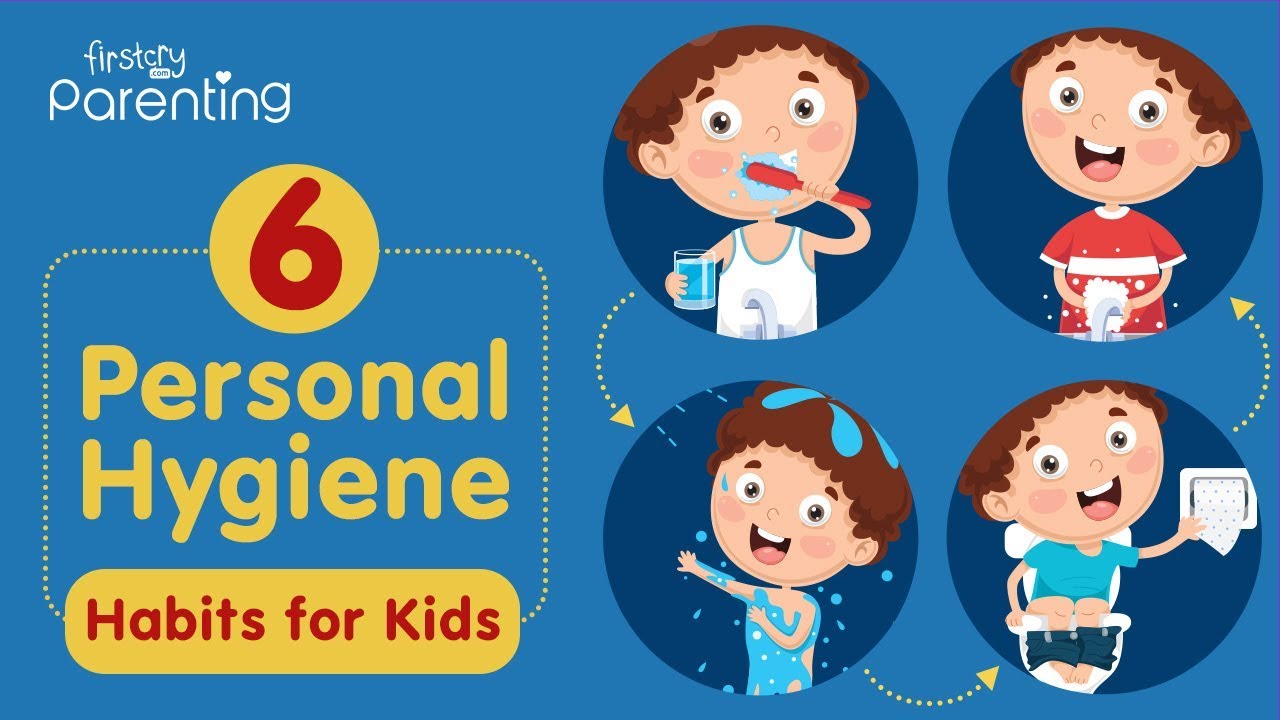
Children often come into contact with various germs and bacteria throughout the day, especially in school or daycare settings. By practicing good hygiene, they can protect themselves and others from getting sick. Simple habits such as washing hands frequently with soap and water, covering the mouth and nose while sneezing or coughing, and regularly bathing can make a significant difference.
Parents and caregivers play a vital role in teaching and reinforcing these habits. By being good role models and explaining the importance of hygiene to children, they can instill healthy habits that will benefit them throughout their lives.
Hand Washing Fundamentals
Teaching kids proper hand washing techniques is crucial for maintaining good hygiene. Encourage them to use soap and warm water while singing a favorite song to ensure they wash for at least 20 seconds. Making hand washing a fun and interactive experience can help instill the habit in children. Consider using colorful soaps and providing step stools to ensure they can reach the sink easily. Additionally, remind them to wash their hands before meals and after using the restroom to prevent the spread of germs.
Oral Hygiene For Bright Smiles
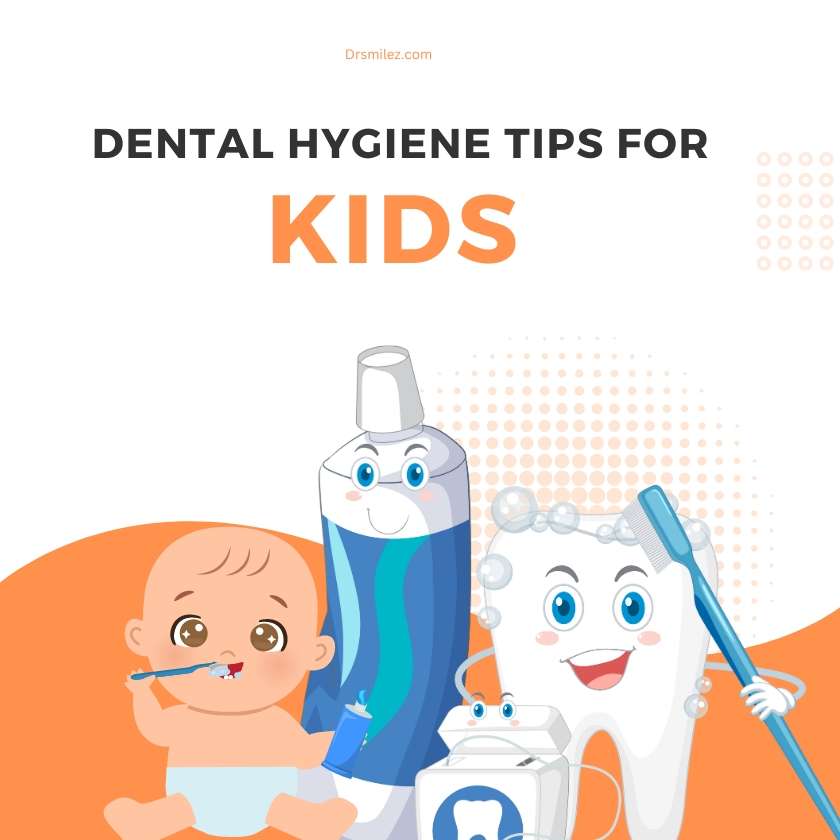
Good oral hygiene is essential for maintaining bright smiles in kids. Teaching effective brushing techniques and making flossing a fun activity can go a long way in ensuring their dental health. Encourage your kids to brush their teeth at least twice a day, using a soft-bristled toothbrush and fluoride toothpaste. Show them the correct way to hold the brush and move it in gentle, circular motions to clean all surfaces of their teeth. Additionally, emphasize the importance of reaching the back teeth and brushing the tongue to remove bacteria and freshen breath. Incorporating flossing into their routine can be made enjoyable by using colorful floss picks or letting them choose flavored floss. By instilling good oral hygiene habits in kids, you set them up for a lifetime of healthy smiles.
The Bath Time Routine
Bathing can be a fun and enjoyable experience for kids when the right routine is established. Here are some essential tips to create a positive bathing experience:
- Make bath time interactive by providing toys and games that can be played with in the water.
- Encourage your child to participate in the bathing process by allowing them to help with tasks like pouring water or washing themselves.
- Ensure the water temperature is comfortable and safe for your child.
- Use mild and gentle soap or body wash suitable for kids to avoid any skin irritations.
- Teach your child proper hygiene habits, such as washing their hands and face, brushing their teeth, and cleaning their ears.
- Keep bath time consistent and establish a regular routine to help your child feel secure and comfortable.
- End the bath time routine with positive reinforcement and praise for good behavior during the process.
Nail Care For Kids
Maintaining good nail hygiene for kids is essential for their overall health. Encourage regular handwashing, trimming nails straight across, and avoiding biting nails to prevent the spread of germs and infections. Using child-friendly nail care tools can make the process enjoyable and stress-free for kids.
| Nail Care for Kids |
| Trimming and Cleaning |
Credit: www.youtube.com
Coughs And Sneezes Etiquette
Teaching kids proper coughs and sneezes etiquette is crucial to preventing the spread of germs. Encourage your child to cover their mouth and nose with a tissue when they cough or sneeze. If a tissue is not available, they should cough or sneeze into the crook of their elbow.
Proper disposal of used tissues is also important. Teach your child to throw used tissues in the trash immediately after use and to wash their hands thoroughly afterward.
| Tips | Description |
|---|---|
| Cover Up | Teach kids to cover their mouth and nose with a tissue or their elbow when coughing or sneezing. |
| Proper Disposal | Encourage kids to throw used tissues in the trash immediately and to wash their hands thoroughly afterward. |
Dressing Clean And Smart
Teaching kids proper hygiene habits is essential for their health. Dressing clean and smart is an important aspect of personal hygiene. Encourage kids to wear clean clothes, brush their teeth and hair, and wash their hands regularly to keep germs at bay.
Choosing The Right Clothing
When getting dressed, it’s important for kids to choose the right clothing. Clothes should be comfortable and appropriate for the weather. They should also be clean and free from stains. Encourage your child to pick out clothes that they can easily put on and take off by themselves. This will help them learn to dress independently and develop their fine motor skills. Make sure to teach them how to fasten buttons, zip zippers, and tie shoelaces. It’s also a good idea to involve your child in selecting their outfits, as this will give them a sense of ownership and boost their confidence.
Credit: drsmilez.com
Healthy Food Habits
Encouraging a balanced diet is essential for maintaining healthy food habits in kids. It is important to provide a variety of foods from different food groups to ensure they receive all the necessary nutrients. Incorporating fruits, vegetables, whole grains, lean proteins, and dairy products in their meals will help them develop a well-rounded diet.
Hygienic food handling and preparation are equally important. Teach children to wash their hands before and after meals, and to properly clean fruits and vegetables before consuming them. Emphasize the importance of avoiding cross-contamination by using separate cutting boards for raw meats and other foods.
Additionally, involve kids in meal planning and preparation. This will not only make them more interested in what they are eating but also teach them valuable cooking skills. Encourage them to try new foods and experiment with different flavors to expand their palate.
By following these tips, you can help instill healthy food habits in your kids, promoting their overall well-being and hygiene.
Regular Health Check-ups
Regular health check-ups are essential for kids to ensure their well-being. Pediatric visits play a crucial role in monitoring growth and development, as well as addressing any health concerns. Vaccinations and preventative care are vital components of these check-ups, helping to protect children from various illnesses. Parents should prioritize these appointments to keep their kids healthy and happy.
Conclusion: Fostering Autonomy In Hygiene
Good hygiene is crucial for maintaining overall health and well-being. By teaching kids proper hygiene practices, we can instill a sense of responsibility and independence in them. When children understand the impact of hygiene on their health, they are more likely to take ownership of their personal hygiene routines.
Encouraging kids to wash their hands regularly, brush their teeth twice a day, and take regular baths or showers helps prevent the spread of germs and reduces the risk of illness. Teaching them to cover their mouth and nose when coughing or sneezing and to dispose of tissues properly also promotes good hygiene habits.
Additionally, parents should lead by example and make hygiene routines fun and engaging. This can include singing songs while washing hands or using colorful toothbrushes and toothpaste to make brushing more enjoyable.
In conclusion, fostering autonomy in hygiene is essential for children’s overall health and well-being. By teaching them the importance of good hygiene practices and encouraging responsibility and independence, we are setting them up for a lifetime of healthy habits.

Credit: www.beaumont.org
Frequently Asked Questions
What Are 10 Tips For Good Hygiene?
1. Wash your hands frequently with soap and water. 2. Shower regularly and use deodorant. 3. Brush and floss your teeth twice a day. 4. Cover your mouth when you cough or sneeze. 5. Keep your nails trimmed and clean.
6. Wash your clothes and bedding regularly. 7. Practice safe food handling and cooking. 8. Keep your living space clean and tidy. 9. Use hand sanitizer when soap is not available. 10. Avoid sharing personal items like towels and razors.
How To Teach Kids Proper Hygiene?
Teach kids proper hygiene by demonstrating handwashing, teeth brushing, and bathing. Use fun activities and positive reinforcement to make learning enjoyable. Set a good example by practicing good hygiene habits yourself. Encourage open communication about hygiene and its importance. Make it a part of their daily routine.
How Do I Get My 10 Year Old To Care About Hygiene?
Encourage your 10 year old to care about hygiene by setting a good example yourself. Make it a fun and interactive activity by playing games or singing songs while washing hands or brushing teeth. Explain the importance of hygiene in simple terms and reward good habits.
Involve your child in choosing their own hygiene products to make them feel more responsible and invested in their routine.
How Do You Raise A Child’s Hygiene?
Encourage regular handwashing. Teach proper bathroom habits. Promote daily showers or baths. Show by example. Keep a clean home environment.
Conclusion
Incorporating good hygiene habits in kids is essential to keep them healthy and prevent the spread of germs. By following these simple hygiene tips, parents can help their children stay clean and healthy, especially during the pandemic. Consistent practice of handwashing, covering the mouth while coughing or sneezing, and staying home when sick can make a significant difference in preventing illnesses.
With regular reminders and positive reinforcement, parents can encourage their kids to adopt good hygiene habits that will benefit them for a lifetime. So, let’s make hygiene a priority and keep our kids safe and healthy!