





Hygienic hand washing involves using soap and water to thoroughly clean the hands. It is a crucial practice for maintaining good personal hygiene and preventing the spread of infections.
Practicing proper hand hygiene can significantly reduce the risk of contracting and spreading illnesses, making it an essential habit for overall well-being. By following simple steps and using the correct technique, individuals can effectively remove dirt, bacteria, and viruses from their hands.
This introductory guide will explore the importance of hygienic hand washing, the recommended hand washing procedure, and the potential benefits of this fundamental practice. Understanding the significance of hand hygiene and adopting proper hand washing techniques can contribute to a healthier and safer environment for everyone.
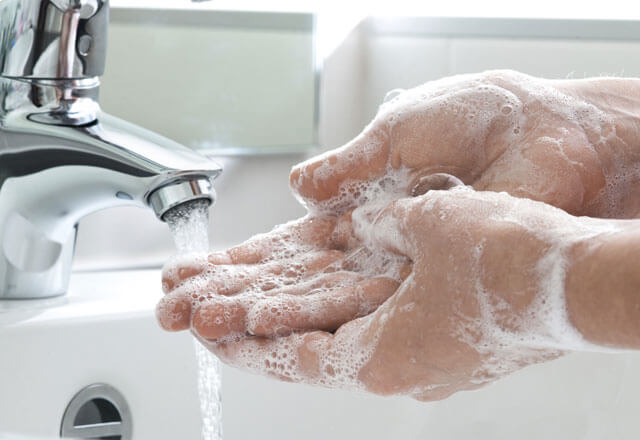
Credit: www.hopkinsmedicine.org
The Importance Of Hygienic Hand Washing
Hygienic hand washing is a vital practice that helps prevent the spread of germs and diseases. By thoroughly cleaning our hands with soap and water for at least 20 seconds, we can eliminate harmful bacteria and viruses, safeguarding our health and the well-being of others.
Curbing The Spread Of Illness
Proper hand hygiene plays a crucial role in curbing the spread of illness. When we touch various surfaces throughout the day, we come into contact with countless germs and bacteria. These pathogens can easily transfer to our hands and, if not washed off properly, can be transmitted to others through direct contact or by touching surfaces that others may come into contact with. By practicing hygienic hand washing, we can effectively reduce the risk of spreading harmful germs and diseases.
Protecting Vulnerable Populations
Vulnerable populations, including young children, the elderly, and individuals with weakened immune systems, are particularly susceptible to illnesses and infections. Ensuring hygienic hand washing practices is especially important when it comes to protecting these individuals. By maintaining proper hand hygiene, we can minimize the risk of transmitting harmful pathogens to vulnerable populations, helping to safeguard their health and well-being.
In conclusion, the importance of hygienic hand washing cannot be overstated. It is a simple yet powerful practice that can significantly reduce the spread of illness and protect vulnerable populations. By incorporating proper hand hygiene into our daily routines, we contribute to a healthier and safer environment for everyone.
History Of Hand Hygiene
Ancient Practices And Beliefs
Ancient civilizations like the Greeks and Romans understood the importance of hand hygiene, using natural elements like sand and ash to clean their hands. In India, Ayurvedic texts dating back to 1500 BC recommended handwashing to prevent disease.
Modern Medical Discoveries
In the 19th century, Dr. Ignaz Semmelweis discovered the correlation between hand hygiene and the prevention of childbirth fever, leading to the introduction of handwashing in medical settings. This breakthrough laid the foundation for modern hand hygiene practices.
The Science Behind Soap And Water
Proper handwashing is a crucial step in maintaining hygiene and preventing the spread of germs and diseases. While it may seem like a simple act, there is actually a fascinating science behind the effectiveness of soap and water. Understanding the chemistry of soap and the mechanics of washing can help us appreciate the importance of this everyday practice.
Chemistry Of Soap
Soap is a combination of fat or oil and an alkali, such as sodium hydroxide. This chemical reaction, known as saponification, produces soap molecules that have a unique structure. Each soap molecule consists of a hydrophilic (water-loving) head and a hydrophobic (water-repelling) tail.
When we wash our hands with soap and water, the hydrophobic tails of the soap molecules attach to dirt, oil, and germs, while the hydrophilic heads attract water. This dual action allows the soap to effectively lift away dirt and microbes from our skin.
Mechanics Of Washing
Handwashing involves more than just applying soap to our hands. The mechanical action of rubbing our hands together is a crucial part of the process. When we rub our hands, the friction helps to dislodge dirt and germs from the skin’s surface.
Additionally, the combination of soap and water creates a slippery surface, reducing the surface tension between our hands and the contaminants. This allows the dirt and germs to be easily rinsed away when we rinse our hands under running water.
By understanding the chemistry of soap and the mechanics of washing, we can see how the simple act of handwashing can effectively remove dirt, oil, and germs from our hands. It is important to remember that proper handwashing should last for at least 20 seconds, covering all surfaces of the hands, including the fingertips, thumbs, and wrists.
Proper Hand Washing Techniques
Proper hand washing techniques are crucial for maintaining personal hygiene and preventing the spread of germs. According to the Centers for Disease Control and Prevention (CDC), hand washing is one of the most effective ways to prevent the transmission of infectious diseases.
Step-by-step Guide
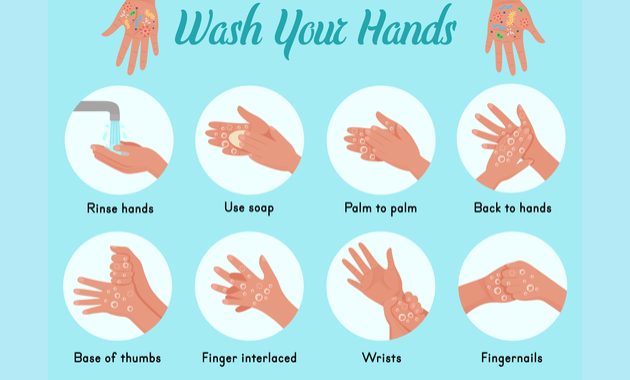
Follow these simple steps to ensure proper hand washing:
| Step | Instructions |
|---|---|
| Step 1 | Wet your hands with clean, running water and apply soap. |
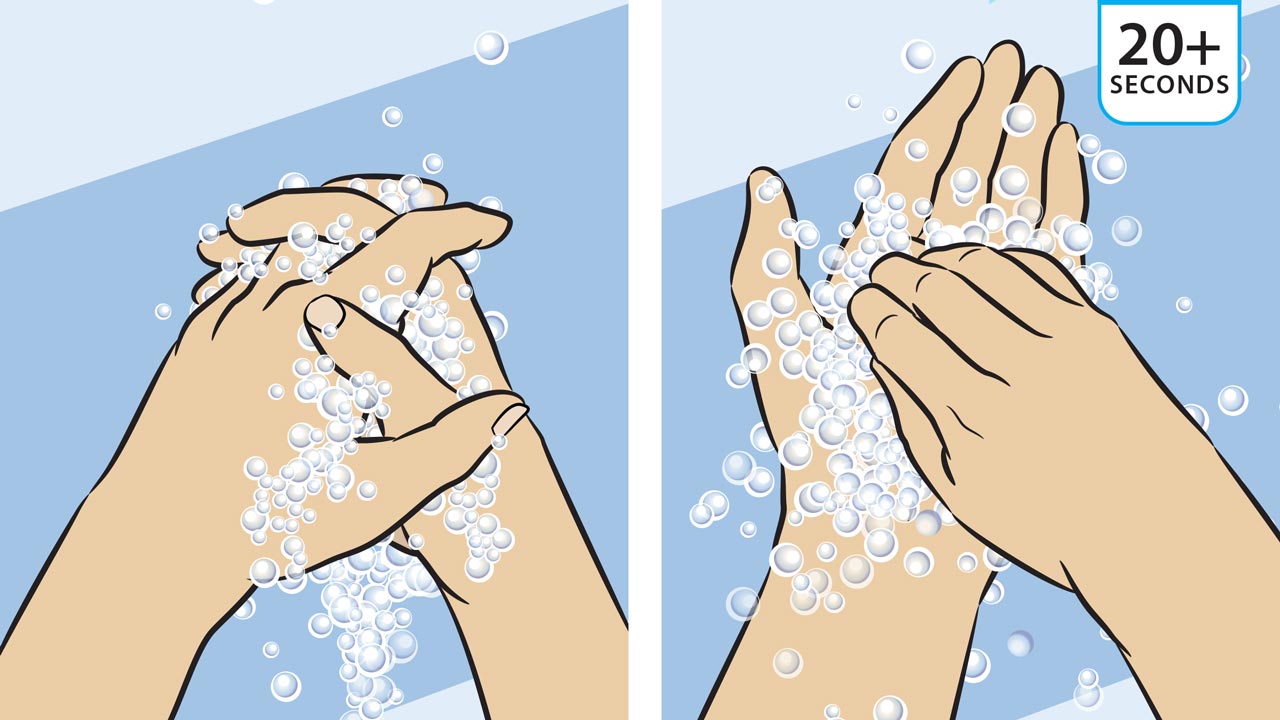
| Step 2 | Rub your hands together to create a lather. Be sure to scrub all surfaces of your hands, including your palms, backs of your hands, between your fingers, and under your nails. |
| Step 3 | Continue rubbing your hands for at least 20 seconds. Need a timer? Hum the “Happy Birthday” song from beginning to end twice. |
| Step 4 | Rinse your hands well under clean, running water. |
| Step 5 | Dry your hands using a clean towel or air dry them. |
Common Mistakes To Avoid
Here are some common mistakes to avoid when washing your hands:
- Not washing your hands frequently enough
- Not using enough soap
- Not scrubbing your hands for at least 20 seconds
- Not washing all surfaces of your hands
- Not drying your hands properly
- Touching surfaces immediately after washing your hands
By following the step-by-step guide and avoiding common mistakes, you can ensure that your hands are properly washed and free from germs.
Hand Sanitizers Vs. Soap And Water
When it comes to maintaining proper hand hygiene, the choice between hand sanitizers and soap and water is crucial. Both options have their advantages, but understanding their effectiveness and appropriate usage scenarios is essential for ensuring optimal cleanliness.
Effectiveness Comparison
When it comes to killing germs and bacteria, soap and water are considered more effective than hand sanitizers. Soap works by breaking down the lipid membranes of the viruses and bacteria, rendering them inactive. It also helps physically remove dirt, grime, and other substances from the hands.
On the other hand, hand sanitizers contain alcohol, usually ethanol or isopropyl alcohol, which can effectively kill a wide range of germs. However, they may not be as effective against certain types of bacteria or viruses, such as norovirus or Clostridium difficile.
While hand sanitizers are convenient and can be used on-the-go, they should not be used as a substitute for proper handwashing with soap and water. Soap and water should always be the preferred option when hands are visibly dirty or contaminated with harmful substances.
Appropriate Usage Scenarios
Hand sanitizers are most suitable in situations where soap and water are not readily available. They can be especially handy in healthcare settings, public transportation, schools, offices, and other public spaces. Using hand sanitizers can provide a quick and convenient way to reduce the risk of spreading germs.
However, it’s important to note that hand sanitizers are not effective against certain types of germs, such as Cryptosporidium, a parasite that causes severe diarrhea. In such cases, proper handwashing with soap and water is necessary to ensure complete cleanliness.
To summarize, while hand sanitizers are effective in certain scenarios, soap and water remain the gold standard for hand hygiene. It’s crucial to use hand sanitizers as a supplement to proper handwashing and not as a substitute. By understanding the effectiveness and appropriate usage scenarios of hand sanitizers and soap and water, we can ensure better hygiene and reduce the risk of illnesses.

Credit: www.who.int
Cultural Variations In Hand Washing
Hand washing practices vary across cultures, influenced by traditions, beliefs, and societal norms.
Global Hand Washing Habits
Hand washing frequency and methods differ worldwide based on cultural preferences and access to resources.
Cultural Significance And Practices
Cultural rituals and beliefs influence how hand washing is perceived and practiced in different societies.
Hand Hygiene In Healthcare Settings
Hygienic hand washing is an important practice in healthcare settings to prevent the spread of infections. It involves using soap and water to clean hands thoroughly for at least 20 seconds or using an alcohol-based hand sanitizer when soap and water are not available.
Proper hand hygiene can save lives and protect both patients and healthcare workers.
Protocols And Policies
In healthcare settings, hand hygiene protocols are strictly followed.Impact On Patient Safety
Effective hand hygiene significantly improves patient safety.Educating The Public On Hand Hygiene
When it comes to maintaining good health, proper hand hygiene is essential. Educating the public on hand hygiene plays a crucial role in preventing the spread of illnesses and diseases. By promoting the practice of hygienic hand washing, we can create a healthier environment for everyone.
Campaigns And Initiatives
Various campaigns and initiatives have been launched to raise awareness about the importance of hand hygiene. These efforts aim to educate people of all ages on the proper techniques for washing their hands to prevent the spread of germs.
Teaching Children Good Habits
Instilling good hand hygiene habits in children is vital for their overall well-being. By teaching kids the importance of washing their hands properly, we can help them stay healthy and reduce the risk of getting sick.
Innovation And Future Of Hand Hygiene
Hygienic hand washing is crucial for preventing the spread of diseases. As technology advances, so do Advancements in Hand Hygiene Products.
Advancements In Hand Hygiene Products
- New sensor-based soap dispensers for touch-free usage.
- Antimicrobial hand wipes for on-the-go cleanliness.
- Waterless hand sanitizers with prolonged germ protection.
These innovations make hand hygiene more convenient and effective. Predicting Future Trends in hand hygiene is essential.
Predicting Future Trends
- Integration of IoT for monitoring hand hygiene compliance.
- Development of eco-friendly and sustainable hand hygiene products.
- Personalized hand hygiene solutions based on genetic factors.
As technology evolves, the future of hand hygiene looks promising with tailored solutions and sustainable practices.
Credit: raisingchildren.net.au
Frequently Asked Questions
What Is Hygiene Hand Washing?
Hygiene hand washing is a practice that involves cleaning the hands thoroughly to remove dirt, germs, and bacteria. It helps prevent the spread of diseases and infections. Regular hand washing with soap and water for at least 20 seconds is recommended by health authorities to maintain good hygiene and prevent illness.
What Are The Three Types Of Hand Washing?
The three types of hand washing are social, routine, and surgical. Each type serves a different purpose in maintaining proper hygiene.
How Do You Hand Wash Hand Hygiene?
To hand wash for proper hand hygiene, follow these steps: 1. Wet your hands with clean water. 2. Apply soap and create a lather. 3. Rub your hands together for at least 20 seconds, including the back of your hands, between your fingers, and under your nails.
4. Rinse your hands thoroughly with clean water. 5. Dry your hands using a clean towel or air dry them.
What Are Examples Of Good Hand Hygiene?
Good hand hygiene examples include washing your hands with soap and water for at least 20 seconds, using hand sanitizer with at least 60% alcohol, avoiding touching your face and others, covering coughs and sneezes, and staying home when sick.
Conclusion
Incorporating hygienic hand washing into your daily routine is crucial for preventing the spread of germs and illnesses. By following proper hand washing techniques, you can protect yourself and others from harmful bacteria and viruses. Make it a habit to wash your hands frequently to maintain good hygiene and overall well-being.