






A concrete remover is a chemical solution that breaks down and dissolves hardened concrete surfaces. It is commonly used in construction and renovation projects.
Concrete remover products are designed to effectively soften and remove concrete buildup from tools, equipment, and surfaces. This solution is a powerful and efficient way to clean and maintain concrete surfaces, saving time and effort in the process. By using a concrete remover, you can easily tackle tough concrete removal tasks with ease and precision.
It is important to follow the manufacturer’s instructions when using a concrete remover to ensure safe and effective results.
Introduction To Concrete Cleaning
Cleaning concrete surfaces can be a challenging task, especially when dealing with stubborn stains that seem impossible to remove. However, with the right approach and the use of effective concrete removers, achieving a clean concrete surface is not only possible but also essential for maintaining the aesthetics and longevity of the area.
The Challenge Of Concrete Stains
Concrete stains can be caused by various factors, such as oil spills, dirt, grime, or even natural elements like moss and algae. These stains not only make the concrete surface look unsightly but can also lead to deterioration if left unaddressed. The challenge lies in finding a solution that can effectively penetrate and break down the stains, lifting them from the surface without causing any damage.
Concrete removers offer a powerful solution to tackle such stains. These products are specifically designed to target and dissolve the toughest concrete stains, making the cleaning process much easier and more efficient.
Goals Of A Clean Concrete Surface
Having a clean concrete surface serves multiple purposes, including:
- Enhancing Aesthetics: A clean concrete surface improves the overall appearance of the area, making it more visually appealing.
- Maintaining Safety: Stains on concrete surfaces can create slip hazards, especially when wet. Regular cleaning helps eliminate these risks, ensuring a safer environment.
- Prolonging Durability: Concrete that is regularly cleaned and maintained is less prone to deterioration and damage. By removing stains and contaminants, the surface’s integrity is preserved, enhancing its longevity.
- Preventing Future Damage: By addressing stains promptly, you can prevent them from becoming deeply embedded or causing further damage to the concrete surface over time.
Whether it’s a driveway, patio, or any other concrete surface, maintaining cleanliness is crucial to enjoy its full benefits while minimizing the need for costly repairs or replacements.
Preparation For Concrete Removal
Before beginning the process of removing concrete, it is essential to properly prepare in order to ensure safety and efficiency. This involves gathering the necessary tools and materials and taking the appropriate safety precautions.
Safety First: Protective Gear
When preparing to remove concrete, it’s crucial to prioritize safety by wearing the appropriate protective gear. This includes heavy-duty work gloves, safety goggles, a respiratory mask, and sturdy work boots.
Assembling Your Tools And Materials
Assembling the necessary tools and materials is a critical step in preparing for concrete removal. Here’s a breakdown of the items you’ll need:
- Heavy-duty sledgehammer
- Jackhammer or concrete breaker
- Chisel and hammer
- Wheelbarrow for debris removal
- Protective tarp to cover surrounding areas
- Water source for misting the concrete during removal
Identifying Types Of Concrete Stains
Concrete stains can be a common problem, and identifying the type of stain is crucial for effective removal. Understanding the different types of stains will help you choose the right approach and product to tackle the problem.
Oil And Grease Marks
Oil and grease stains are a common sight on concrete surfaces, especially in areas like driveways and parking lots. These stains are usually caused by leaked automotive fluids, cooking oils, or machinery lubricants.
To identify oil and grease stains, look for dark, greasy spots on the concrete surface. The stain might have a sheen and can be difficult to remove with regular cleaning methods.
Rust And Paint Spills
Rust stains and paint spills are another type of concrete stain that can be particularly stubborn to remove. Rust stains are usually caused by metal objects left on the concrete surface, while paint spills can occur during home improvement projects or graffiti incidents.
To identify rust stains, look for reddish-brown discoloration on the concrete. Paint spills, on the other hand, can appear as blotchy or colored patches on the surface.
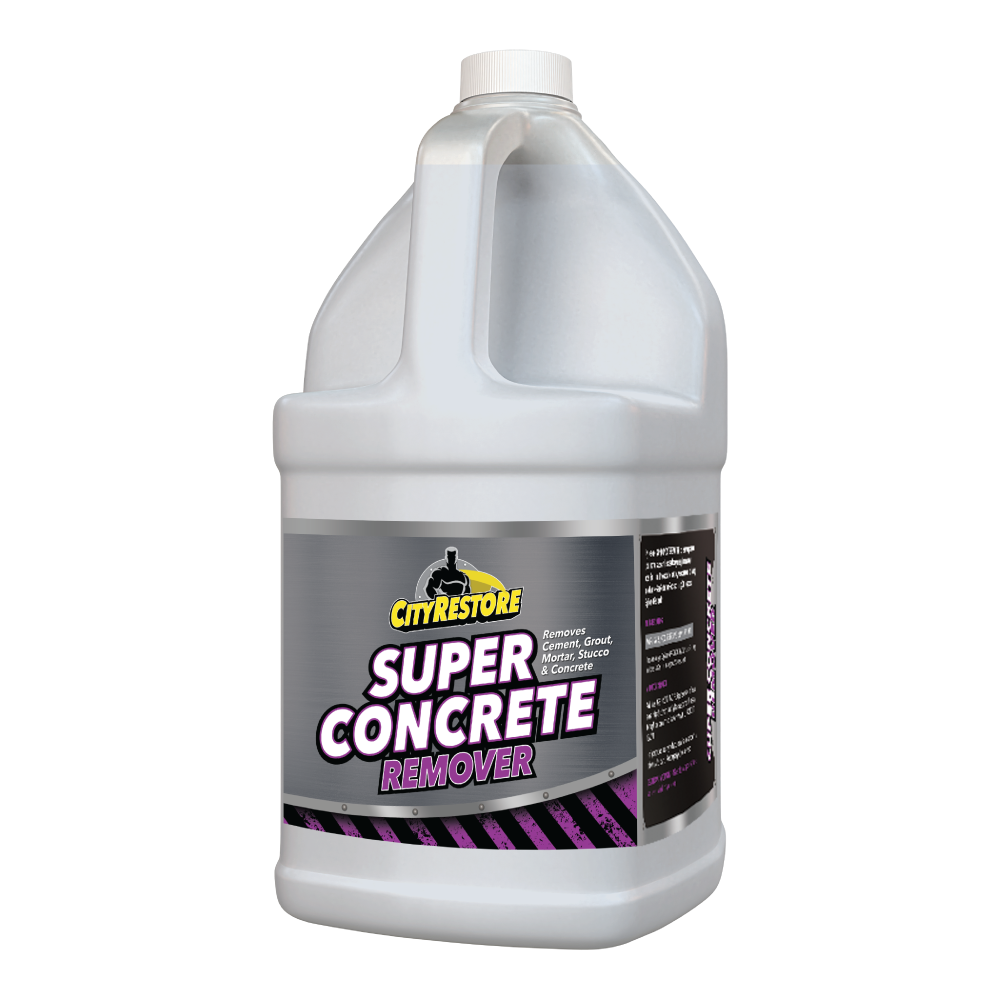
Identifying the type of stain is the first step towards successful stain removal. Once you have determined the type of stain, you can choose the appropriate concrete remover product and follow the recommended instructions for best results.
Credit: cityrestore.com
Natural Solutions For Stain Removal
When it comes to removing stubborn stains from concrete surfaces, natural solutions can be just as effective as chemical cleaners. Not only are they safer for the environment, but they are also gentle on the concrete itself. In this article, we will explore two natural solutions for stain removal: vinegar and baking soda.
Vinegar: A Versatile Agent
Vinegar is a versatile agent that can be used for various cleaning tasks, including stain removal on concrete. Its acidic properties make it effective in breaking down and dissolving stains, leaving your concrete surface looking clean and fresh.
Here’s how you can use vinegar to remove stains:
- Mix equal parts of vinegar and water in a spray bottle.
- Spray the solution onto the stained area and let it sit for a few minutes.
- Scrub the stain with a brush or sponge to loosen the dirt.
- Rinse the area with water to remove the vinegar solution and any residue.
For tougher stains, you can use undiluted vinegar and scrub more vigorously. However, be cautious when using vinegar on delicate concrete surfaces, as the acidity may cause damage.
Baking Soda For Tough Stains
Baking soda is another natural solution that can effectively remove tough stains from concrete. Its abrasive nature helps to scrub away stubborn dirt and grime, leaving your concrete surface looking clean and restored.
Here’s how you can use baking soda for stain removal:
- Create a paste by mixing baking soda with water until it forms a thick consistency.
- Apply the paste to the stained area, ensuring it is evenly coated.
- Leave the paste on the stain for at least 30 minutes to allow it to penetrate.
- Scrub the stain with a brush or sponge, applying gentle pressure.
- Rinse the area with water to remove the baking soda paste.
Baking soda is particularly effective for removing oil and grease stains from concrete surfaces. Its natural properties help to absorb the oil and lift it away, leaving your concrete looking clean and oil-free.
Next time you encounter stubborn stains on your concrete surfaces, consider using these natural solutions of vinegar and baking soda. Not only will you be able to effectively remove the stains, but you will also be doing your part in protecting the environment.
Commercial Cleaners: Pros And Cons
Commercial cleaners play a crucial role in maintaining the cleanliness and appearance of various surfaces, including concrete. When it comes to using concrete removers, it’s important to weigh the pros and cons of commercial cleaners to ensure you’re making the right choice for your specific needs.
Choosing The Right Product
When choosing a concrete remover, it’s essential to consider the specific requirements of the cleaning task at hand. Different products have varying strengths and chemical compositions, so it’s important to select one that is suitable for the type of concrete and the level of cleaning required.
Understanding Chemical Reactions On Concrete
Concrete removers work through chemical reactions that break down the bonds holding the concrete together. It’s crucial to understand these reactions to ensure that the chosen commercial cleaner is effective and safe for the surface being cleaned.
Mechanical Methods For Stubborn Stains
When it comes to dealing with stubborn concrete stains, mechanical methods offer effective solutions to remove them. Mechanical methods involve using physical force or equipment to break down and remove tough stains from concrete surfaces. These methods are ideal for tackling stubborn stains that are difficult to remove with traditional cleaning techniques. In this section, we will explore the different mechanical methods for tackling stubborn concrete stains, focusing on pressure washing techniques and abrasive blasting options.
Pressure Washing Techniques
Pressure washing is an effective method for removing stubborn concrete stains. It involves using high-pressure water to dislodge and wash away dirt, grime, and stains from concrete surfaces. The force of the water can effectively break down and remove tough stains, leaving the concrete looking clean and revitalized.
Abrasive Blasting Options
Abrasive blasting offers another powerful method for tackling stubborn concrete stains. This technique involves propelling abrasive materials at high speeds to remove contaminants and stains from concrete surfaces. Common abrasive blasting options include sandblasting, shot blasting, and bead blasting, each offering unique benefits for removing different types of stubborn stains.
Preventive Measures For Concrete Surfaces
Concrete surfaces can be prone to damage over time, but taking preventive measures can help extend their lifespan and maintain their appearance. By following these simple tips, you can ensure your concrete surfaces remain in top condition for years to come.
Sealing For Longevity
Sealing your concrete surfaces is crucial to protect them from stains and corrosion. Use a quality sealant to create a protective barrier that prevents water infiltration and chemical damage.
Routine Maintenance Tips
- Regularly clean the concrete surface to remove dirt and debris.
- Inspect for cracks and damage, repair them promptly.
- Avoid using harsh chemicals that can damage the concrete.
- Apply a fresh coat of sealant periodically to maintain protection.

Credit: www.amazon.com
Eco-friendly Cleaning Practices
When it comes to maintaining a clean environment, adopting sustainable and eco-friendly cleaning practices is crucial.
Sustainable Cleaning Solutions
Using biodegradable and eco-conscious concrete removers promotes environmental sustainability.
Avoiding Harmful Chemicals
Avoiding toxic chemicals in concrete removers protects both the environment and human health.
Expert Tips And Tricks
Concrete removal can be a challenging task, but with the right expertise and innovative techniques, you can make the process smoother and more efficient. Here are some expert tips and tricks to help you tackle even the toughest scenarios.
Professional Advice For Tough Scenarios
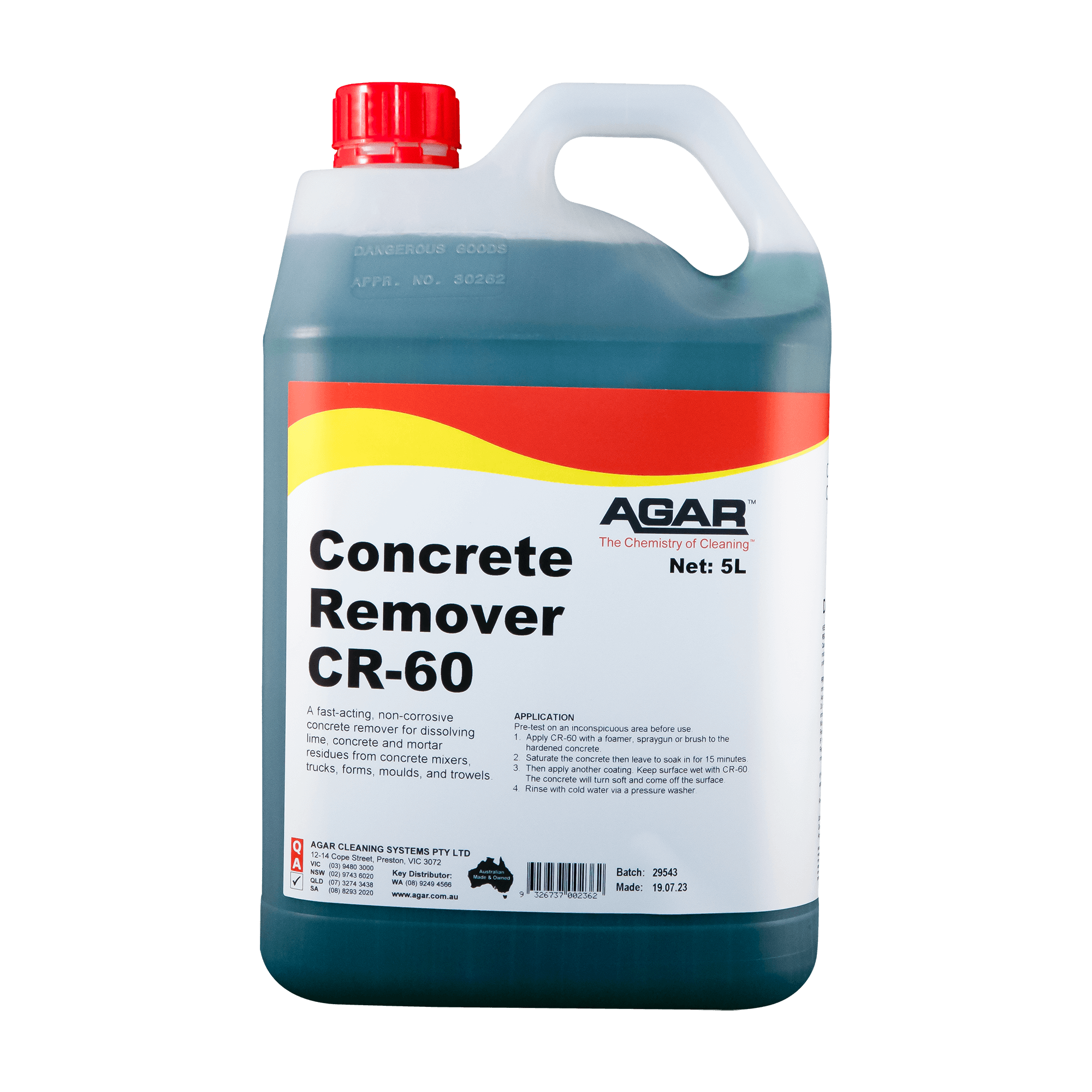
- Use a commercial concrete dissolver for stubborn stains.
- Apply a mixture of vinegar and water for eco-friendly cleaning.
- Utilize a pressure washer for deep-seated grime.
Innovative Cleaning Hacks
- Try using a wire brush attachment for power tools for faster results.
- Use a baking soda paste to lift oil and grease stains effectively.
- Consider renting a concrete grinder for large-scale projects.
Credit: agar.com.au
Conclusion: The Path To Pristine Concrete
Achieving pristine concrete is possible with the right concrete remover. This powerful solution effectively breaks down and removes tough concrete buildup, restoring surfaces to their original state. Say goodbye to stubborn concrete deposits and hello to a clean, polished finish with the path to pristine concrete.
Recap Of Effective Strategies
Implementing proven techniques is key to achieving pristine concrete.
- Regular cleaning with mild detergent and water
- Utilizing a high-quality concrete remover
- Applying a concrete sealer for protection
Encouragement For Ongoing Care
Consistent maintenance is crucial for preserving the concrete’s appearance.
- Inspecting for stains and addressing promptly
- Regularly reapplying sealant for longevity
- Engaging in preventive measures to avoid damage
Frequently Asked Questions
Q: What Is Concrete Remover?
A: Concrete remover is a chemical solution used to break down and dissolve cured concrete from surfaces such as tools, machinery, and vehicles.
Q: How Does Concrete Remover Work?
A: Concrete remover works by breaking down the calcium compounds in cured concrete, causing it to dissolve and become easier to remove from surfaces.
Q: Is Concrete Remover Safe To Use?
A: Yes, concrete remover is safe to use as long as it is handled and applied according to the manufacturer’s instructions. It is important to wear protective gear such as gloves and goggles when using concrete remover.
Q: Can Concrete Remover Be Used On All Surfaces?
A: No, concrete remover should only be used on surfaces that are resistant to the chemical solution. It is important to check the manufacturer’s instructions and test a small area before applying concrete remover to the entire surface.
Conclusion
To sum up, concrete remover is an essential product for those who work with concrete on a regular basis. It can effectively and efficiently remove hardened concrete from various surfaces and tools, saving time and money in the long run.
By choosing a high-quality concrete remover and following proper safety precautions, you can ensure that your concrete work is done with ease and precision. Don’t let hardened concrete be a roadblock in your construction projects – invest in a reliable concrete remover today.