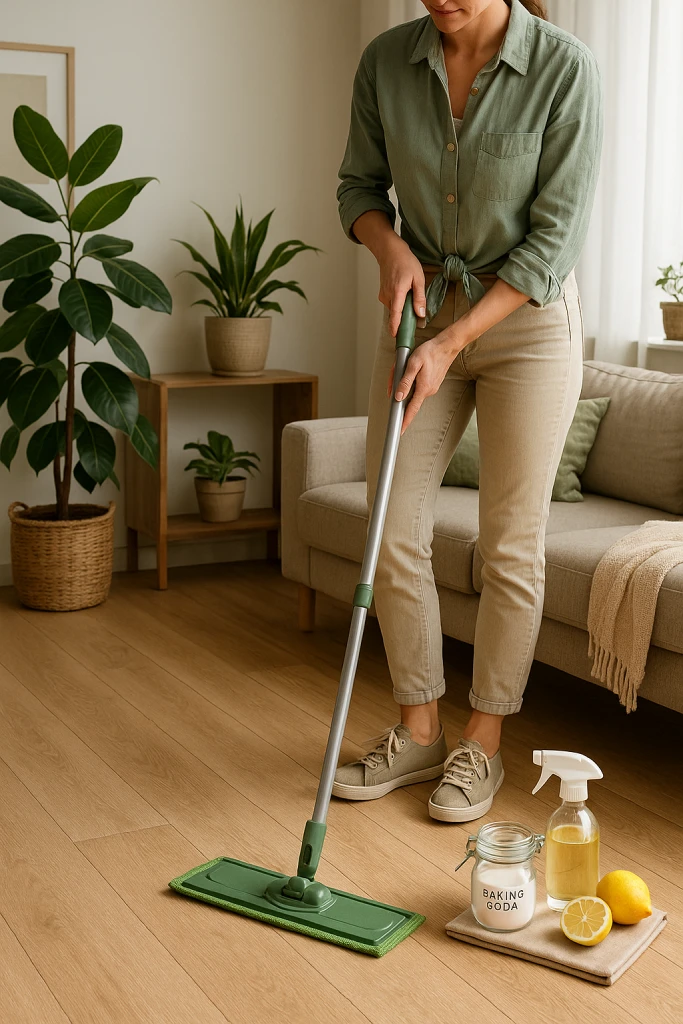
To make effective floor cleaning, use a high-quality floor cleaner and a microfiber mop. Properly dilute the cleaner, follow the instructions, and thoroughly mop the floor for a sparkling clean finish.
Maintaining clean floors is essential for a hygienic and aesthetically pleasing environment. With the right tools and techniques, you can achieve effective floor cleaning that removes dirt, grime, and bacteria. Regular floor maintenance not only enhances the appearance of your space but also prolongs the life of your flooring.
Whether you have hardwood, tile, or laminate floors, a consistent cleaning routine will keep them looking their best. By incorporating these simple yet effective strategies, you can ensure that your floors remain spotless and inviting for all who enter your home or business.
The Importance Of Clean Floors
Health Benefits
Clean floors contribute to a healthier indoor environment. Regular floor cleaning helps to eliminate dust, dirt, and other allergens that can trigger respiratory issues.
Aesthetic Appeal
Clean floors enhance the overall appearance of a space. They create a welcoming and professional environment, leaving a positive impression on visitors.
Choosing The Right Cleaning Supplies
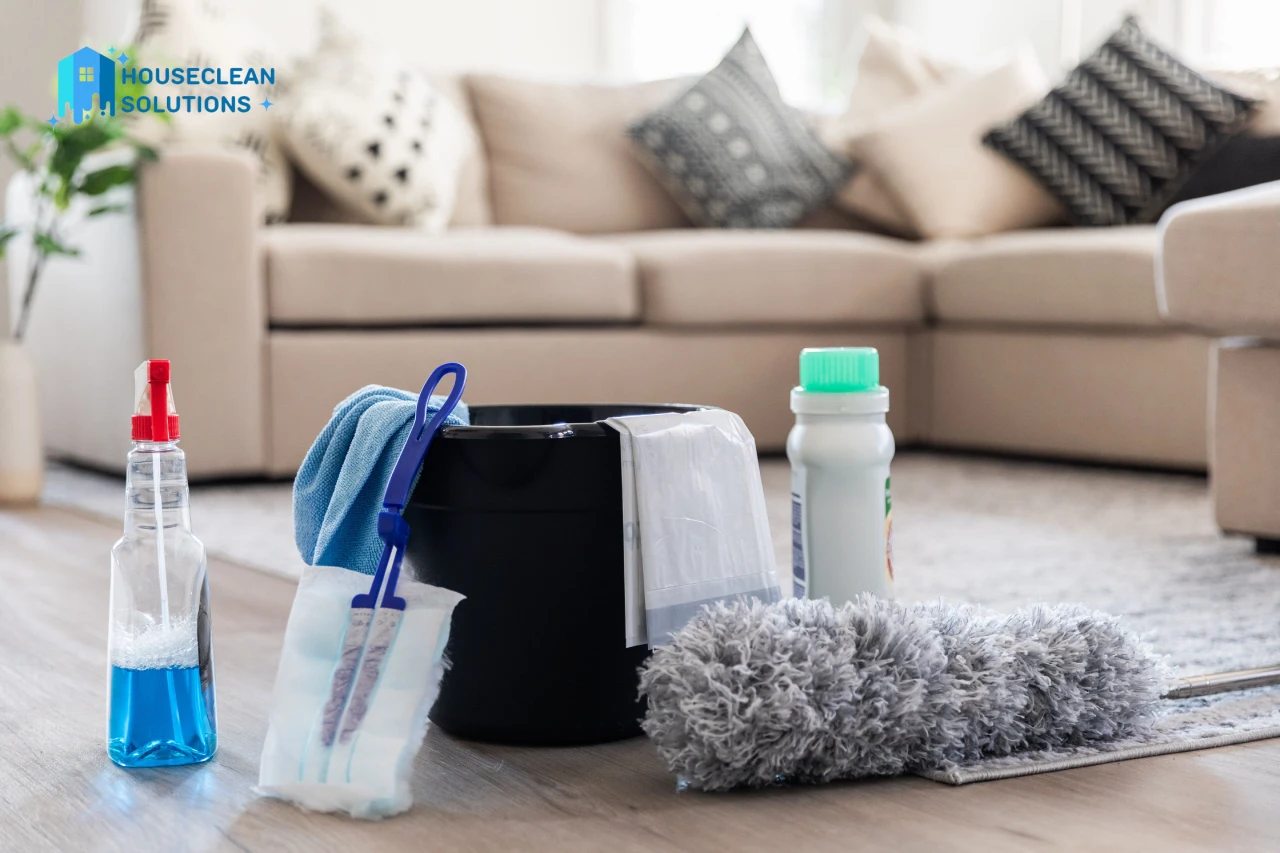
Selecting the right cleaning supplies is crucial for effective floor cleaning. From mops to detergents, choosing products designed for your specific flooring will ensure a thorough and efficient clean. With the proper supplies, you can maintain the cleanliness and appearance of your floors with ease.
Keeping your floors clean and tidy is an essential aspect of any housekeeping routine. But without the right cleaning supplies, maintaining your floors can be a daunting task. Choosing the right cleaning supplies is crucial to ensure that your floors are clean and well-maintained. Here are some things to consider when selecting the right cleaning supplies.Mops And Brooms
Mops and brooms are the most basic tools for cleaning floors. A mop is ideal for cleaning hard floors, while a broom is best for sweeping up dirt and debris on hard and soft surfaces. When choosing a mop or broom, consider the type of flooring in your home. For instance, a microfiber mop is suitable for hardwood floors, while a sponge mop is better for tiled floors. A broom with soft bristles is perfect for hardwood floors, while a stiff-bristled broom is ideal for outdoor surfaces.Cleaning Solutions
Cleaning solutions are essential for effective floor cleaning. But with so many products on the market, it can be challenging to choose the right one. When selecting a cleaning solution, consider the type of flooring in your home, the level of traffic, and the type of dirt and stains you need to remove. Some cleaning solutions are designed for specific types of floors, such as hardwood, laminate, or tile. Others are suitable for all types of flooring. Always read the label and follow the manufacturer’s instructions carefully. Choosing the right cleaning supplies is essential for effective floor cleaning. By selecting the appropriate tools and cleaning solutions, you can ensure that your floors are clean, well-maintained, and free from dirt and stains. Remember to consider the type of flooring, level of traffic, and type of dirt and stains when selecting your cleaning supplies. With the right tools, you can keep your floors looking their best for years to come.Pre-cleaning Strategies
Achieve effective floor cleaning with pre-cleaning strategies. By implementing these techniques, you can ensure a thorough and efficient cleaning process, leaving your floors spotless and pristine. Say goodbye to dirt and grime with these proven methods.
Before starting the actual floor cleaning process, it’s important to prepare the surface by using pre-cleaning strategies. Pre-cleaning strategies involve removing loose debris and spot cleaning techniques that help in effective cleaning. In this blog post, we will take a closer look at each of these strategies to help you achieve the best cleaning results for your floors.Removing Loose Debris
Removing loose debris from your floors is the first step in the pre-cleaning process. Loose debris such as dirt, dust, and other small particles can cause scratches on the floor surface if not removed beforehand. Here are some ways to effectively remove loose debris:- Sweep the floor using a broom or a dust mop
- Vacuum the floor using a vacuum cleaner
- Use a microfiber mop to remove the remaining debris
Spot Cleaning Techniques
Spot cleaning is the process of removing stains or spills from the floor surface. Effective spot cleaning techniques can prevent the stains from becoming permanent, and also improve the overall appearance of the floor. Here are some spot cleaning techniques you can use:- Blot the spill immediately with a clean cloth or paper towel
- Use a pH-neutral cleaner to clean the spot
- Rinse the spot with clean water and dry it thoroughly
Effective Mopping Techniques
Maintaining a clean and hygienic floor is essential for any space, whether it’s a home, office, or commercial establishment. One of the most common and effective methods of floor cleaning is mopping. However, to ensure the best results, it’s important to follow proper mopping techniques. In this article, we will discuss two crucial aspects of effective mopping: wet vs. dry mopping and proper mop maintenance.
Wet Vs. Dry Mopping
Before diving into the specifics of mopping techniques, it’s important to understand the difference between wet and dry mopping. Wet mopping involves using a mop dampened with water or a cleaning solution to remove dirt, stains, and spills from the floor surface. On the other hand, dry mopping is the process of using a mop or a dust mop to collect dust, hair, and other loose debris without the use of water or cleaning agents.
When it comes to wet mopping, it is suitable for removing stubborn stains, sticky spills, and deep-seated dirt. It is ideal for hard surfaces such as tile, linoleum, and hardwood floors. Dry mopping, on the other hand, is effective in daily maintenance, preventing the accumulation of dust and debris on the floor. It is particularly useful for laminate flooring and other surfaces that are sensitive to moisture.
Proper Mop Maintenance
Proper mop maintenance is essential to ensure its longevity and effectiveness in cleaning. Here are some key tips to keep your mop in optimal condition:
- After each use, rinse the mop thoroughly with clean water to remove any remaining dirt or cleaning solution.
- Allow the mop to air dry completely before storing it to prevent the growth of mold or mildew.
- Regularly check the mop head for signs of wear and tear. Replace it if it becomes frayed or ineffective.
- Wash the mop head regularly according to the manufacturer’s instructions. This will help remove any built-up dirt and maintain the mop’s cleaning efficiency.
- Store the mop in a clean and dry area to prevent it from accumulating dirt or unpleasant odors.
By following these simple maintenance tips, you can ensure that your mop remains in excellent condition, allowing you to achieve optimal cleaning results every time.
In conclusion, mastering effective mopping techniques is crucial for maintaining clean and hygienic floors. Whether you opt for wet or dry mopping, understanding the differences and following proper maintenance practices will help you achieve the best results. By implementing these techniques, you can enjoy a spotless and inviting floor that enhances the overall cleanliness and appearance of your space.
The Role Of Water Temperature
When it comes to effective floor cleaning, the role of water temperature is often underestimated. The temperature of the water used can have a significant impact on the cleaning efficiency and overall results. Understanding when to use hot water and when to opt for cold water is essential for achieving optimal cleanliness.
Hot Water Benefits
Hot water is particularly effective in dissolving tough grease and grime. The heat helps to break down and loosen stubborn dirt and stains, making it easier to remove. Additionally, hot water can also kill bacteria and germs more effectively than cold water, contributing to a more hygienic cleaning process.
When To Use Cold Water
Cold water is suitable for general maintenance cleaning tasks. It is gentler on certain surfaces and is sufficient for removing light dirt and dust. When dealing with delicate flooring materials or when hot water is not recommended, opting for cold water can provide a safe and effective cleaning solution.

Eco-friendly Cleaning Solutions
Keeping your floors clean doesn’t have to come at the expense of the environment. By opting for eco-friendly cleaning solutions, you can maintain a sparkling home while minimizing your ecological footprint. Let’s explore some ways to make your floor cleaning routine more environmentally conscious.
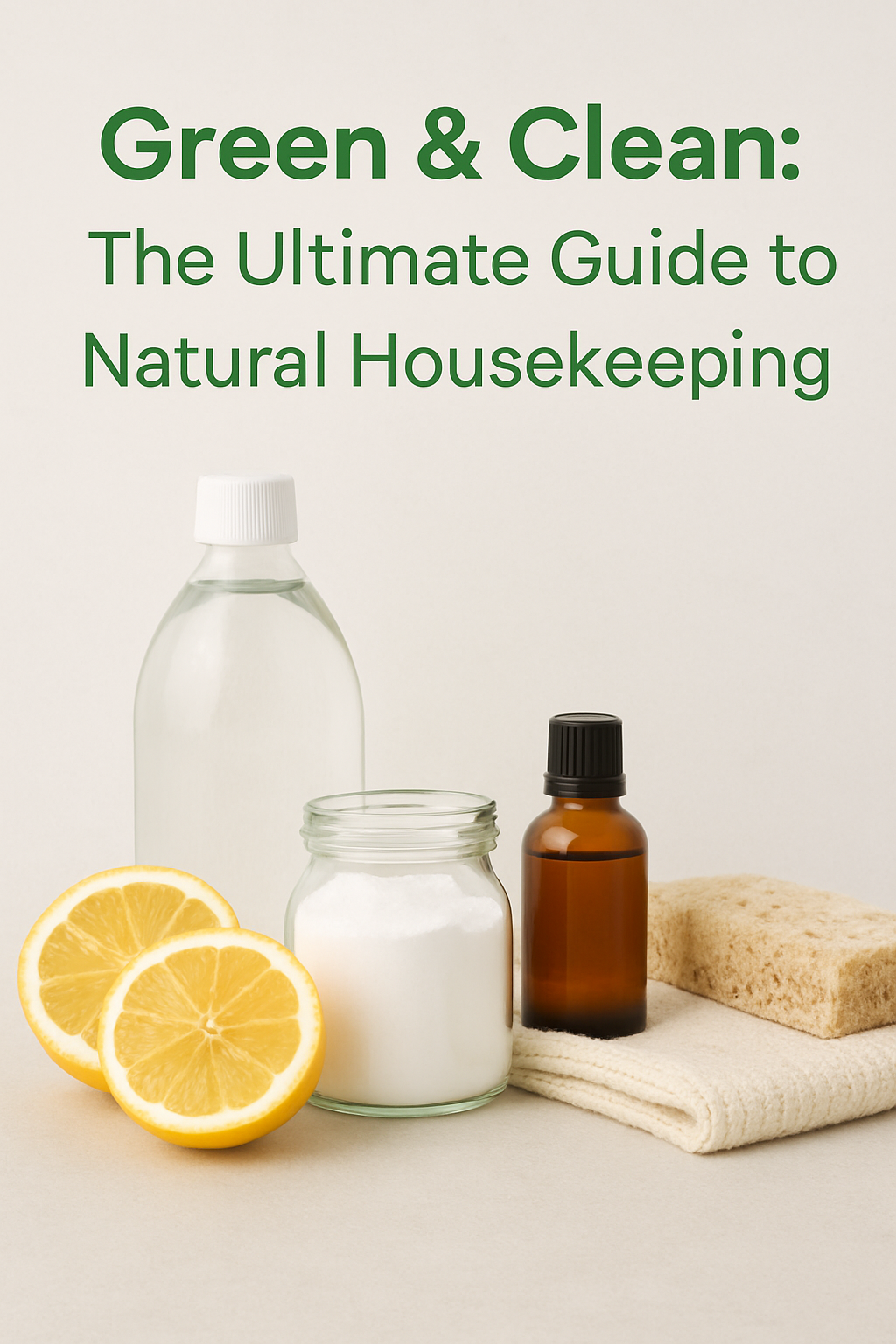
Homemade Mixes
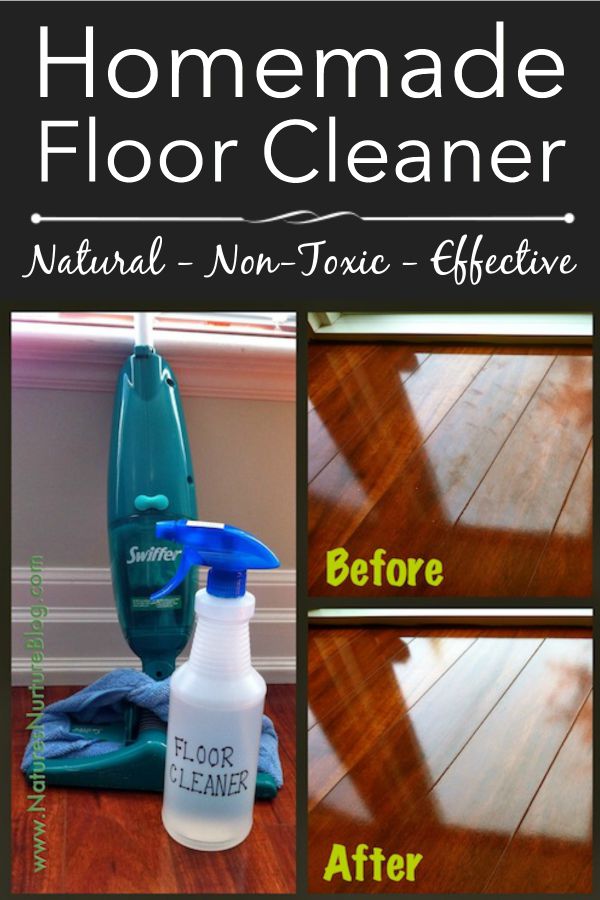
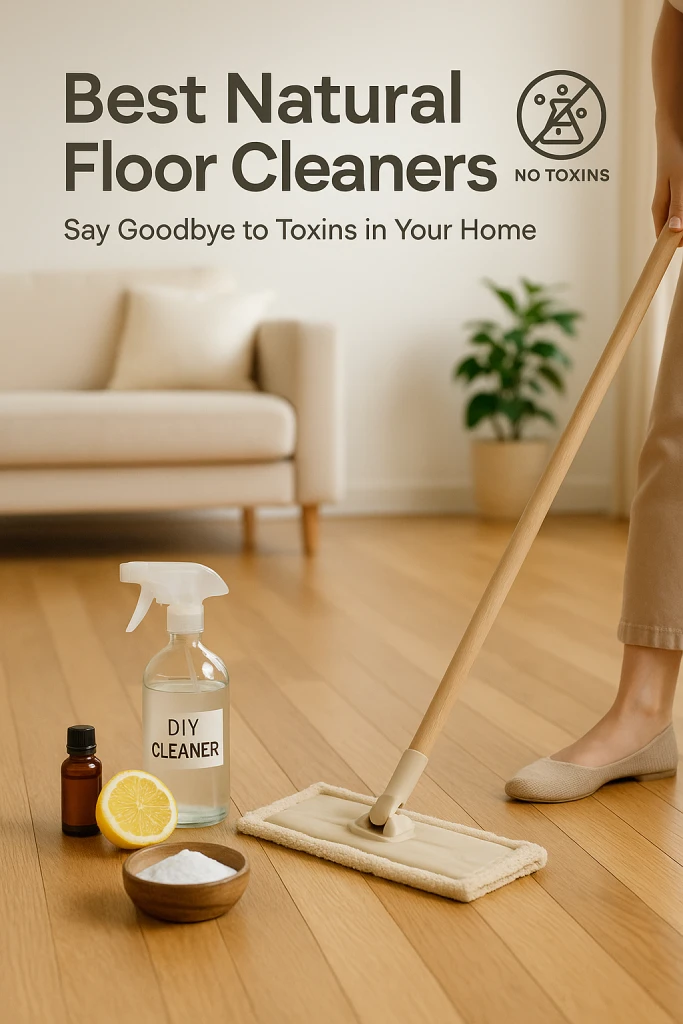
- Mix vinegar and water for a natural, chemical-free floor cleaner.
- Create a paste of baking soda and water to tackle tough stains.
- Combine lemon juice with water to add a fresh scent to your cleaning regimen.
Choosing Green Products
- Look for biodegradable and plant-based ingredients in cleaning products.
- Opt for brands that use recycled packaging to reduce waste.
- Check for eco-certifications like EPA’s Safer Choice label for peace of mind.
Addressing Different Floor Types
Effective floor cleaning requires different approaches for different floor types. Hardwood, tile, and carpet all require specific cleaning methods to ensure maximum cleanliness and longevity. By addressing each floor type individually, you can make the most of your cleaning efforts and keep your floors looking their best.
Wood And Laminate
Wood and laminate floors require gentle cleaning methods to prevent damage. Avoid excessive water and use a damp mop with specific wood floor cleaners. Regularly sweep or vacuum to remove dust and debris.Tile And Stone
Tile and stone floors are durable but need proper maintenance. Clean with a mild detergent and warm water for routine cleaning. Seal grout lines to prevent stains and mildew buildup. Use a neutral pH cleaner for deep cleaning tile and stone floors.
Maintaining Clean Floors
Establish a consistent routine for floor cleaning.
Act promptly to tackle any spills or stains.
Advanced Floor Cleaning Hacks
Maintaining sparkling clean floors doesn’t have to be a time-consuming chore. By implementing advanced floor cleaning hacks, you can achieve pristine floors with efficiency and ease.
Using Technology
- Robot vacuums can autonomously clean your floors.
- Steam mops sanitize and refresh various floor surfaces.
- UV light sanitizers effectively kill germs and bacteria.
Time-saving Tricks
- Spot clean spills immediately to prevent stains.
- Use a microfiber mop for quick and efficient cleaning.
- Implement a no-shoes policy indoors to reduce dirt accumulation.

Frequently Asked Questions
How Often Should I Clean My Floors?
Regularly clean high traffic areas daily and other areas weekly to maintain cleanliness and hygiene.
What Is The Best Floor Cleaning Solution?
Opt for pH-neutral, gentle floor cleaners suitable for your floor type to ensure effective cleaning without damage.
Can I Use Vinegar To Clean My Floors?
Yes, a solution of water and vinegar is safe and effective for cleaning most floor types, providing a natural alternative.
How Can I Prevent Streaks On My Floors?
Ensure to dry mop or use a damp mop followed by a dry cloth to prevent streaks and achieve a clean shine.
Conclusion
Maintaining clean floors is essential for a healthy and aesthetically pleasing environment. By following the tips mentioned in this blog post, such as using the right cleaning products, adopting proper techniques, and establishing a regular cleaning routine, you can ensure effective floor cleaning.
Remember to prioritize safety, choose suitable tools, and address specific floor types accordingly. With these guidelines, you’ll be well on your way to achieving spotless and sparkling floors.