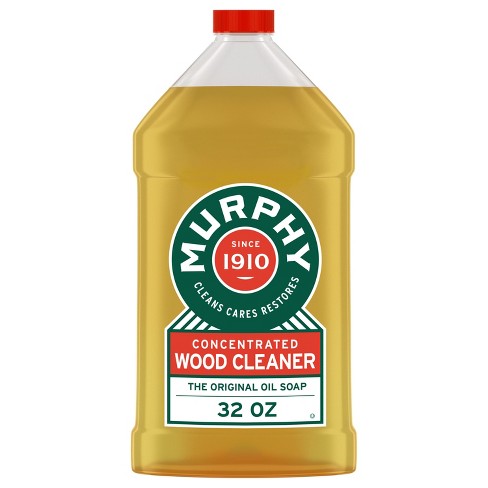

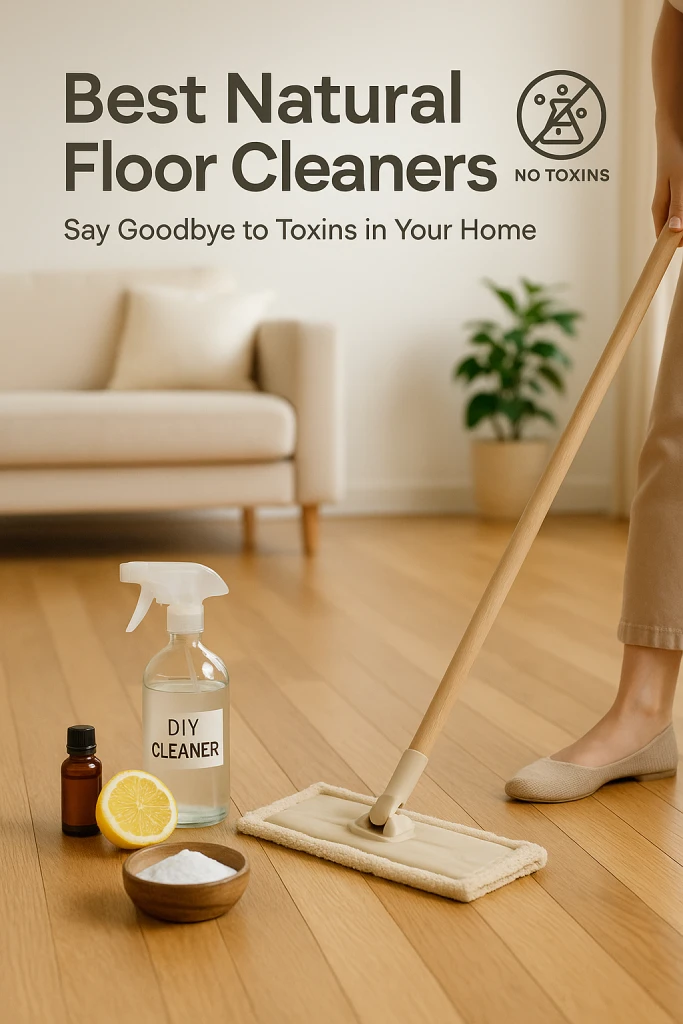
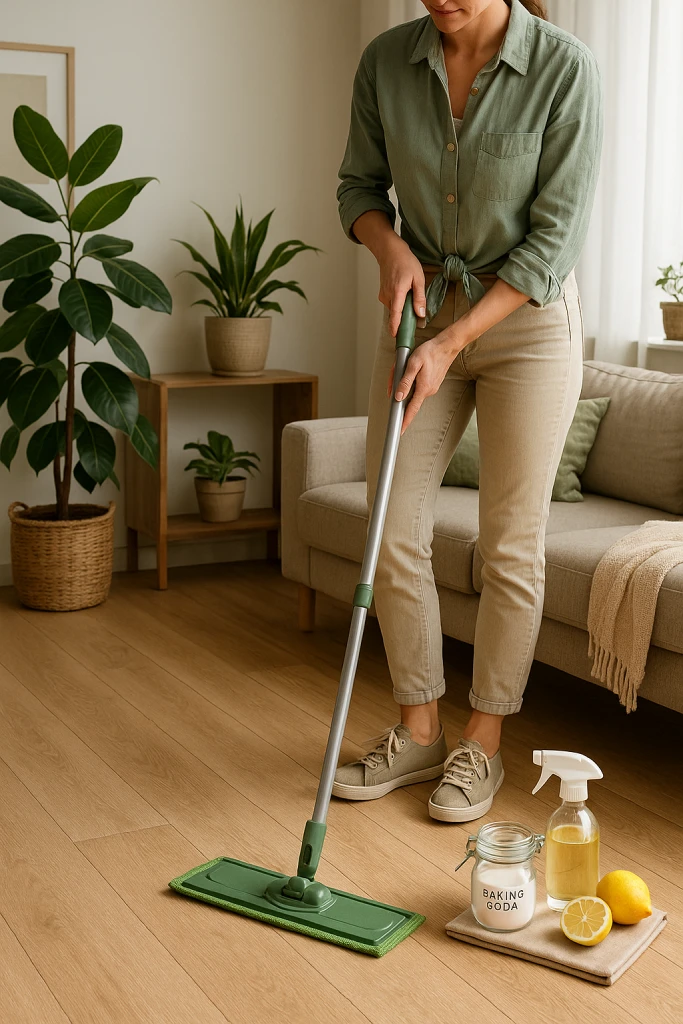
A wood cleaner is a product specifically designed to clean and maintain wooden surfaces, removing dirt, grime, and stains without damaging the wood. It is an essential tool for preserving the beauty and longevity of wood furniture, floors, and other wooden items in your home.
Wood cleaners are available in various forms, including sprays, wipes, and concentrated solutions. They are formulated to effectively clean and nourish wood, enhancing its natural beauty and protecting it from wear and tear. Using a wood cleaner regularly can help prevent the buildup of dirt and grime, ensuring that your wooden surfaces remain clean, vibrant, and in excellent condition for years to come.
Whether you have hardwood floors, wooden furniture, or outdoor decking, a high-quality wood cleaner is a valuable asset for maintaining and caring for your wood surfaces.
Introduction To Wood Cleaner Secrets
Discover the hidden secrets of effective wood cleaner solutions for maintaining and restoring your wooden surfaces. Unlock the key to preserving the natural beauty of wood with expert cleaning tips and tricks.
The Importance Of Proper Wood Care
Wood is a valuable and beautiful material that can add warmth and character to any home. However, without proper care, it can quickly become damaged and lose its luster. This is why it’s essential to invest in a good wood cleaner that can help protect and restore your wood surfaces. Regular cleaning of your wooden furniture, floors, and other wooden surfaces can help remove dirt, grime, and other contaminants that can damage the wood over time. By keeping your wood clean and well-maintained, you can help extend its lifespan and maintain its natural beauty.What Makes Wood Cleaning Challenging
Cleaning wood can be a challenging task, mainly because wood is a porous material that can absorb dirt, stains, and other contaminants easily. Additionally, different types of wood require different types of cleaning methods and products, making it challenging to find the right cleaner for your specific needs. Furthermore, using the wrong cleaning products can damage the wood, leaving it dull, discolored, or even warped. This is why it’s crucial to choose a high-quality wood cleaner that is specifically designed to clean and protect wood surfaces. In conclusion, proper wood care is essential to ensure that your wooden furniture, floors, and other wooden surfaces remain beautiful and functional for years to come. By investing in a good wood cleaner and using it regularly, you can help protect and restore your wood surfaces, keeping them looking their best.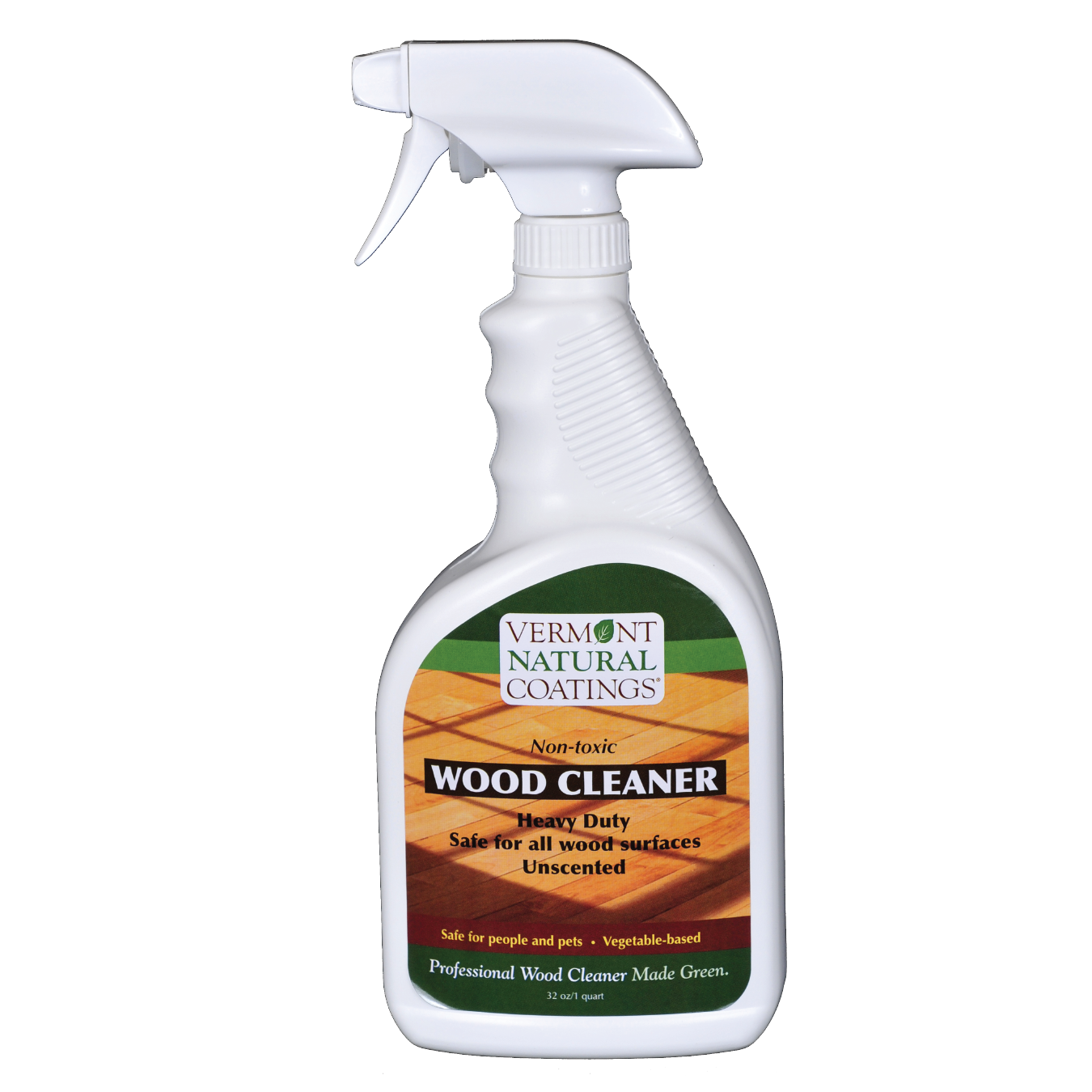
Credit: vermontnaturalcoatings.com
Types Of Wood Surfaces And Their Needs
When it comes to cleaning wood surfaces, it’s important to understand the specific needs of different types of wood. Whether you’re dealing with hardwood or softwood, varnished or unvarnished surfaces, each type requires a different approach to ensure proper cleaning and maintenance.
Hardwood Vs. Softwood Cleaning Techniques
Hardwood and softwood have distinct characteristics that require specific cleaning techniques. Hardwood, such as oak or mahogany, is known for its durability and density. To clean hardwood surfaces, follow these steps:
- Start by removing any loose dirt or debris with a soft-bristle brush.
- Mix a mild wood cleaner with warm water according to the manufacturer’s instructions.
- Gently scrub the surface using a soft cloth or sponge, making sure to go along the grain.
- Rinse the area with clean water and dry thoroughly with a soft towel.
- Apply a wood conditioner or polish to restore the natural shine and protect the surface.
On the other hand, softwood, like pine or cedar, is more prone to scratches and dents. To clean softwood surfaces, follow these steps:
- Begin by dusting the surface with a microfiber cloth to remove any loose particles.
- Mix a mild wood cleaner with warm water according to the manufacturer’s instructions.
- Gently wipe the surface using a soft cloth or sponge, being careful not to apply too much pressure.
- Rinse the area with clean water and dry thoroughly with a soft towel.
- Apply a wood sealer or protective coating to enhance durability and prevent moisture damage.
Varnished Vs. Unvarnished Surfaces
The presence of varnish on wood surfaces also affects the cleaning process. Whether your wood surface is varnished or unvarnished, here’s how to clean it effectively:
Varnished Surfaces
Varnished wood surfaces have a protective coating that adds shine and safeguards against stains and moisture. To clean varnished surfaces, follow these steps:
| Step | Description |
|---|---|
| 1 | Gently remove any loose dirt or debris using a soft-bristle brush or vacuum cleaner. |
| 2 | Mix a mild wood cleaner with warm water according to the manufacturer’s instructions. |
| 3 | Using a soft cloth or sponge, wipe the surface in the direction of the grain to avoid streaks. |
| 4 | Rinse the area with clean water and promptly dry with a soft towel. |
| 5 | Apply a wood polish specifically designed for varnished surfaces to maintain their shine and protection. |
Unvarnished Surfaces
Unvarnished wood surfaces have a more natural and rustic appearance, but they require extra care to prevent damage. To clean unvarnished surfaces, follow these steps:
- Start by dusting the surface with a microfiber cloth or soft brush to remove loose particles.
- Mix a mild wood cleaner with warm water according to the manufacturer’s instructions.
- Gently wipe the surface using a soft cloth or sponge, ensuring you go along the grain.
- Rinse the area with clean water and promptly dry with a soft towel.
- Apply a wood oil or wax to nourish the wood and enhance its natural beauty.
Choosing The Right Wood Cleaner
Choosing the right wood cleaner is essential for maintaining the natural beauty and longevity of your wooden surfaces. Whether you’re tackling hardwood floors, furniture, or outdoor decks, selecting the appropriate wood cleaner can make a significant difference in the cleaning process and overall results.
Commercial Vs. Natural Cleaners
When deciding on a wood cleaner, the choice between commercial and natural options is crucial. Commercial cleaners often contain harsh chemicals that may effectively remove stubborn stains and grime but can also be damaging to the wood’s finish and harmful to the environment. On the other hand, natural cleaners are typically gentler, utilizing eco-friendly ingredients that are safer for both your wood surfaces and the planet.
Key Ingredients For Effective Wood Cleaning
Understanding the key ingredients in wood cleaners is fundamental to making an informed decision. Look for products that contain natural oils, such as citrus or olive oil, as these can effectively lift dirt and nourish the wood. Additionally, cleaners with mild acids like vinegar or citric acid can provide a gentle yet potent cleaning action. Always be mindful of any potential allergens or sensitivities to certain ingredients when choosing a wood cleaner.
Diy Wood Cleaning Solutions
Simple Recipes For Homemade Cleaners
Wooden furniture and surfaces can easily be cleaned using simple homemade solutions. These natural cleaners are effective and safe for your wood items.
- Mix equal parts of white vinegar and water in a spray bottle for an all-purpose wood cleaner.
- For a stronger cleaner, combine olive oil and lemon juice to remove stubborn stains and add shine.
- Baking soda and water paste is excellent for tackling tough grime and dirt on wood surfaces.
Natural Ingredients For A Safe Clean
When cleaning wood, it’s important to use natural ingredients that are safe for both the wood and the environment. These natural solutions offer a gentle yet effective clean.
- Vinegar: A natural disinfectant that cuts through grease and grime.
- Lemon: Removes stains and odors, leaving a fresh scent.
- Olive oil: Nourishes and polishes wood surfaces, restoring their natural luster.
- Baking soda: Acts as a gentle abrasive to lift dirt and stains without scratching the wood.
Techniques For Sparkling Wood Surfaces
Wood surfaces can be kept sparkling with the right cleaning techniques. Follow these steps for optimal results:
Step-by-step Cleaning Process
- Start by dusting the surface with a soft cloth to remove loose dirt.
- Prepare a mixture of wood cleaner and water as per the product instructions.
- Dip a microfiber cloth into the solution and wring it out thoroughly.
- Gently wipe the wood surface in the direction of the grain to avoid scratches.
- Use a dry cloth to remove any excess moisture from the surface.
Buffing And Polishing Tips
- Apply a small amount of wood polish on a clean cloth.
- Buff the surface in circular motions for a shiny finish.
- Use a separate cloth to polish the wood to remove any excess product.
- For stubborn stains, mix baking soda with water to form a paste.
- Apply the paste to the stain, let it sit, and then wipe clean with a damp cloth.

Credit: www.amazon.com
Protecting Your Wood Surfaces Post-cleaning
After using a wood cleaner, it’s important to protect your wood surfaces to maintain their luster and durability. Consider applying a wood polish or wax to create a protective barrier against moisture and stains, keeping your wood looking its best for longer.
Regular maintenance will help preserve the natural beauty of your wood furniture and floors.
Once you have thoroughly cleaned your wood surfaces, it is important to take steps to protect them and maintain their cleanliness over time. By implementing effective sealants and protective coatings, as well as establishing a regular maintenance routine, you can ensure the longevity and beauty of your wood.
Sealants And Protective Coatings
Applying sealants and protective coatings is crucial in safeguarding your wood surfaces against various elements such as moisture, UV rays, and stains. These products create a barrier that prevents water penetration and minimizes damage caused by the sun’s harmful rays. Additionally, they act as a shield against spills and stains, making it easier to clean and maintain the wood.
There are different types of sealants and protective coatings available, each with its own benefits and application methods. Some common options include:
| Sealant/Coating Type | Benefits |
|---|---|
| Oil-based Sealants | Enhances the wood’s natural beauty, provides deep penetration, and offers excellent water resistance. |
| Water-based Sealants | Dries quickly, emits fewer harmful fumes, and provides a clear finish without altering the wood’s color. |
| Urethane Coatings | Offers superior durability, protection against scratches and wear, and can be used for both indoor and outdoor applications. |
Maintaining Cleanliness Over Time
Once you have applied the appropriate sealant or protective coating, it is essential to establish a regular maintenance routine to keep your wood surfaces clean and well-protected. Here are some tips to help you maintain the cleanliness of your wood over time:
- Regularly dust the wood surfaces using a soft cloth or feather duster to prevent the accumulation of dirt and debris.
- Wipe up spills immediately to avoid staining or damaging the wood.
- Avoid using harsh chemicals or abrasive cleaners that can strip away the protective coating or damage the wood’s finish.
- Gently clean the wood surfaces using a mild wood cleaner and a soft cloth, following the manufacturer’s instructions.
- Periodically reapply the sealant or protective coating to maintain its effectiveness and prolong the wood’s lifespan.
By following these simple steps, you can ensure that your wood surfaces remain clean, protected, and beautiful for years to come.
Common Wood Cleaning Mistakes To Avoid
When cleaning wood surfaces, avoid using abrasive cleaners that can damage the finish. Instead, opt for a wood cleaner specifically designed for the type of wood you are cleaning. Also, be cautious with excessive water or harsh chemicals, as they can cause warping or discoloration.
Regular dusting and gentle cleaning can help maintain the natural beauty of wood furniture and flooring.
Using Harmful Chemicals
Harsh chemicals can damage wood surfaces.
Overlooking The Grain Direction
Ignoring the grain can lead to ineffective cleaning.
When cleaning wood surfaces, it’s important to avoid common mistakes to prevent damage and maintain the beauty of your furniture and floors.
- Using abrasive cleaners
- Not following the grain direction
- Leaving excess moisture
- Skipping regular dusting
Applying harmful chemicals can cause irreversible harm to the wood.
For effective cleaning, always follow the natural grain direction.
Advanced Wood Cleaning Techniques
Discover advanced wood cleaning techniques to restore your wooden surfaces to their former glory.
Restoring Antique Wood Surfaces
Revive antique wood surfaces with gentle cleaning methods.
- Use a mixture of vinegar and olive oil to nourish the wood.
- Gently rub the solution onto the surface with a soft cloth.
- Buff the wood to reveal its natural shine and luster.
Dealing With Water Stains And Rings
Erase water stains and rings from wood effectively.
- Apply a paste of baking soda and water to the affected area.
- Gently rub the paste in circular motions to lift the stains.
- Wipe the area clean with a damp cloth and dry thoroughly.
Conclusion: The Future Of Wood Care
Discover the future of wood care with our revolutionary wood cleaner. Say goodbye to dull and dirty surfaces as our advanced formula effortlessly restores the natural beauty of your wood, leaving it looking pristine and protected for years to come.
Experience the ultimate solution for maintaining and preserving your cherished wooden surfaces.
Innovations In Wood Cleaning Products
Wood cleaning products have come a long way in recent years, with exciting innovations revolutionizing the way we care for our wooden surfaces. Manufacturers have developed advanced formulas that effectively remove dirt, grime, and stains without causing any damage to the wood. These innovative products incorporate cutting-edge technology to provide superior cleaning results, leaving your wood looking refreshed and revitalized. With continuous research and development, we can expect to see even more groundbreaking solutions in the future.Sustainable Practices In Wood Maintenance
As the world becomes more environmentally conscious, sustainable practices in wood maintenance have gained significant importance. Many manufacturers now prioritize eco-friendly ingredients and packaging in their wood cleaning products. These sustainable alternatives not only minimize the impact on the environment but also promote healthier indoor air quality. Furthermore, sustainable practices extend beyond the products themselves. Responsible wood maintenance involves proper disposal of waste materials and recycling options, ensuring a greener approach for the future. In conclusion, the future of wood care looks promising with ongoing innovations in wood cleaning products and a growing focus on sustainable practices. With advanced formulas and cutting-edge technology, cleaning and maintaining wooden surfaces has become more effective and efficient than ever before. By embracing eco-friendly options, we can ensure a greener and healthier future for both our wood and the environment.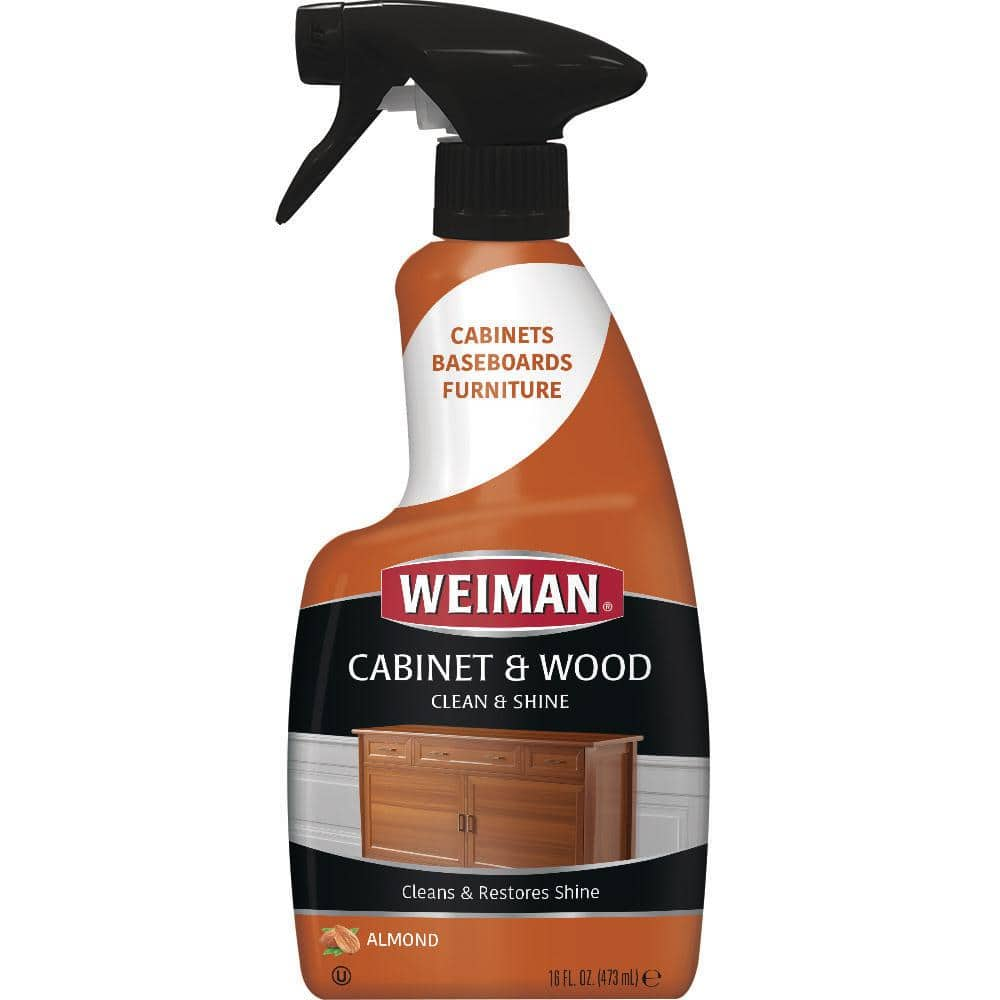
Credit: www.homedepot.com
Frequently Asked Questions
What Surfaces Can I Use Wood Cleaner On?
Wood Cleaner is suitable for use on a variety of wood surfaces, including hardwood floors, furniture, decks, and cabinets. It is safe and effective for cleaning and maintaining the natural beauty of wood without causing damage.
How Often Should I Clean Wood Surfaces With Wood Cleaner?
For optimal results, it is recommended to clean wood surfaces with Wood Cleaner at least once a month. However, high-traffic areas may require more frequent cleaning to keep the wood looking its best and well-maintained.
Is Wood Cleaner Safe For The Environment?
Yes, Wood Cleaner is environmentally friendly and biodegradable. It is formulated with natural ingredients that are safe for the environment while still providing powerful cleaning action. Using Wood Cleaner helps to reduce the impact on the environment compared to harsh chemical cleaners.
Can Wood Cleaner Help Remove Tough Stains On Wood?
Yes, Wood Cleaner is effective in removing tough stains on wood surfaces. Whether it’s spills, stains, or grime, Wood Cleaner can help lift and remove the stains without damaging the wood. Regular use of Wood Cleaner can help maintain the wood’s appearance and prolong its lifespan.
Conclusion
After reading about the different types of wood cleaners and their benefits, it is clear that using a wood cleaner is essential for maintaining the beauty and longevity of your wooden furniture and surfaces. By selecting the right type of cleaner for your specific needs and following the instructions carefully, you can ensure that your wood stays clean, polished, and protected for years to come.
Don’t forget to also consider environmentally friendly options and always test a small area before applying the cleaner to the entire surface. With the right care, your wood can continue to shine and impress for generations.